Vegetarian Pasta Primavera
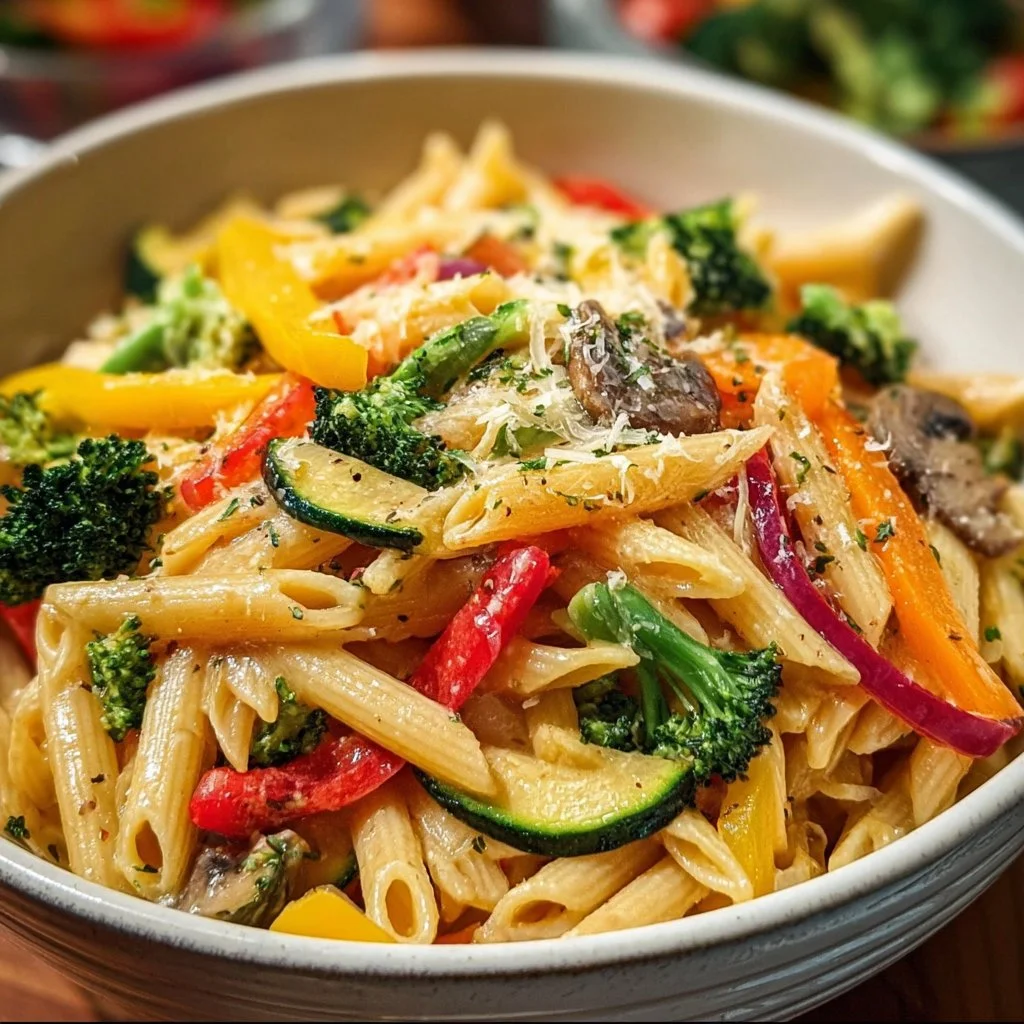
Vegetarian Pasta Primavera is a delightful dish that brings the freshness of garden vegetables to your table. The combination of colorful veggies tossed with pasta creates a vibrant, inviting meal that is as pleasing to the eye as it is to the taste buds. The subtle crunch of the vegetables paired with the hearty texture of pasta makes for a satisfying, wholesome experience. This recipe shines during warmer months when fresh produce is at its peak but is also a great way to use thawed frozen veggies in the winter. Serve it during dinner with family, or prepare it for a casual gathering with friends—it’s sure to impress!
With its light and refreshing profile, Vegetarian Pasta Primavera remains a popular choice for those seeking a meat-free option without sacrificing flavor or time. Whether you’re a long-time vegetarian or just looking to incorporate more veggies into your meals, this dish fits the bill perfectly.
Prep Time: 10 min | Cook Time: 25 min | Total Time: 35 min
How to Make Vegetarian Pasta Primavera
Ingredients:
- Pasta (e.g., penne or spaghetti)
- Olive oil
- Garlic, minced
- Bell peppers, sliced
- Zucchini, sliced
- Cherry tomatoes, halved
- Carrots, julienned
- Broccoli florets
- Parmesan cheese, grated
- Salt and pepper
- Fresh basil, for garnish
Step-by-Step Instructions:
-
Cook the Pasta: Start by cooking the pasta according to package instructions. Once it’s al dente, drain it and set it aside. Remember not to overcook it, as it will cook a bit more when mixed with the hot vegetables.
-
Sauté Garlic: In a large skillet, heat a generous splash of olive oil over medium heat. Add minced garlic and sauté until fragrant—this usually takes about 1 minute. Be careful; you don’t want to brown it, just soften it for that delicious aroma!
-
Add Vegetables: Toss in the sliced bell peppers, zucchini, carrots, and broccoli into the skillet. Sauté for about 5-7 minutes, until the vegetables are tender but still vibrant—aim for a slight crunch for the best texture.
-
Combine with Pasta: Stir in the halved cherry tomatoes and the drained pasta. Gently toss everything together until well combined, allowing the flavors to meld together.
-
Season and Top: Season with salt and pepper to taste. Sprinkle a generous amount of grated Parmesan cheese on top, allowing it to melt slightly from the residual heat.
-
Garnish and Serve: Finally, garnish with fresh basil leaves just before serving. Enjoy this dish warm for the best experience!
Pro Tips
-
Pasta Timing: To avoid mushy pasta, cook it just until al dente. It should still have a slight bite to it, as it will continue to cook slightly when mixed with the warm vegetables.
-
Seasoning Boost: Experiment with fresh herbs like thyme or oregano for added flavor. They can elevate the dish beyond the standard salt and pepper.
-
Veggie Variety: Feel free to customize the vegetable mix based on what you have on hand. Asparagus, spinach, or even peas can add unique flavors and textures!
-
Cheese Choices: While Parmesan cheese is traditional, try using Pecorino Romano or a vegan cheese alternative for a different taste profile.
-
Leftover Magic: If you have leftovers, consider turning them into a frittata. Just mix the pasta and veggies with beaten eggs and bake until set.
Why You’ll Love This Recipe
One of the best things about Vegetarian Pasta Primavera is its fresh and vibrant flavor profile. The variety of vegetables not only adds color but also brings a range of textures—from the crunchy bell peppers to the soft cherry tomatoes, which burst with sweetness. Every bite provides a delightful medley of tastes, making it a joy to savor.
This recipe is also incredibly straightforward, perfect for weeknight dinners or casual gatherings. With minimal prep and cook time, it allows you to spend more time enjoying delicious food and less time slaving away in the kitchen. Plus, it’s a great way to sneak in healthy veggies—making it a fantastic option for families trying to eat healthier.
How to Serve Vegetarian Pasta Primavera
Presentation can make all the difference, so consider serving this dish in a large, shallow bowl to showcase its bright colors. You can sprinkle extra Parmesan and freshly chopped basil on top for a beautiful finish.
Pairing suggestions can enhance the experience too. A light, crisp salad would complement the pasta wonderfully, or you could serve some garlic bread on the side to soak up any leftover sauce. For drinks, a chilled white wine or sparkling water with a slice of lemon can add a refreshing twist.
How to Store Vegetarian Pasta Primavera
For optimal freshness, store any leftovers in an airtight container in the refrigerator. They will typically last for about 3–4 days. If you want to store the pasta for longer, freezing is an option; however, it’s best consumed fresh for the best texture.
To freeze, ensure the pasta has fully cooled, then place it in freezer-safe bags or containers, squeezing out as much air as possible to prevent freezer burn. It can last in the freezer for up to 2-3 months.
Tips to Make Vegetarian Pasta Primavera
To make the tastiest Vegetarian Pasta Primavera, start by selecting the freshest vegetables you can find. This choice impacts not only flavor but also texture. When sautéing, always keep an eye on the cooking time to maintain that perfect bite in your veggies.
Don’t forget about the salt; it can bring out the natural sweetness of the tomatoes and other vegetables. A pinch can make a world of difference right at the end when mixing everything together.
Variation
Consider vegan adaptations by substituting Parmesan with a nut-based cheese or nutritional yeast, which gives a similar umami flavor. For those looking to reduce carbs, zucchini noodles can be used as a low-carb alternative to traditional pasta. If you enjoy heat, add a sprinkle of red pepper flakes during cooking to give your dish a spicy kick.
Nutrition Information
(Serving Size: 1 cup | Calories: 280 | Protein: 10g | Carbs: 35g | Fat: 12g | Fiber: 4g | Sugar: 3g)
Pasta Primavera is rich in carbohydrates from the pasta and offers a good source of vitamins from the vegetables. While lower in protein, cheese can help enhance this aspect, and you can always add chickpeas or lentils for extra protein.
Storage and Reheating
For leftovers, here’s how to reheat them without sacrificing taste:
- Microwave: Place a serving in a microwave-safe dish, cover, and heat for about 1-2 minutes, stirring halfway through.
- Oven: Preheat the oven to 350°F (175°C), pour the pasta into an oven-safe dish, cover with foil, and heat for about 15 minutes.
- Skillet: Heat a little olive oil in a skillet over medium heat, add the pasta and stir occasionally until warmed through, about 5-7 minutes.
Customization Ideas
You can easily adjust this recipe based on your flavor and texture preferences. Consider adding nuts like pine nuts or walnuts for a crunchy element, or experiment with different cheese options to find your favorite.
For an extra layer of flavor, try adding a splash of lemon juice or zest before serving. It brightens up the dish and balances the richness of the cheese.
Common Mistakes to Avoid
- Overcooking the Pasta: Keep a close watch while boiling to ensure it remains al dente.
- Sautéing at Too High a Heat: Cooking the veggies on high heat can burn them; medium is best for even cooking.
- Adding Salt Too Early: If you season too soon, it can draw out moisture from the vegetables, making them soggy.
- Forgetting About Fresh Herbs: They truly finish off the dish—add them last to preserve their flavor.
- Skipping the Drainage: Be sure to drain pasta properly to avoid a watery sauce.
Serving Occasions
Vegetarian Pasta Primavera is ideal for various occasions. It’s perfect for family dinners, satisfying yet light enough for weeknight meals, and can even be dressed up for a potluck or gathering with friends. Because it’s colorful and inviting, it also works wonderfully for spring and summer parties!
Why Make This Recipe
What sets Vegetarian Pasta Primavera apart is its flexibility and freshness. Unlike many one-pot dishes that can feel heavy, this pasta dish is light and refreshing, making it suitable for any time of year. The balance of well-cooked pasta with crisp vegetables ensures every bite feels like a celebration of flavors. Plus, it provides a canvas for your culinary creativity—add your favorite vegetables or herbs to play with flavors!
FAQs
-
Can I use whole grain pasta?
Yes! Whole grain pasta is a great alternative that adds more fiber and nutrients. -
Is this dish gluten-free?
To make it gluten-free, simply use gluten-free pasta; there are many tasty varieties available. -
Can I make this ahead of time?
You can prep the veggies and pasta separately in advance, but it’s best to combine them just before serving for optimal texture. -
How can I add protein to the dish?
Chickpeas, white beans, or even grilled tofu are excellent options to boost protein content. -
What if I don’t like certain vegetables?
That’s no problem! Feel free to swap in any vegetables you prefer or have on hand. The key is to enjoy what you’re cooking.
Disclaimer: Nutrition information is approximate and can vary based on ingredients and preparation methods. Always consider personal dietary preferences when selecting ingredients.