Balsamic Glazed Roasted Vegetables for an Easy Side Dish
Roasting vegetables is a time-honored cooking technique that enhances their natural flavors, and when combined with a luscious balsamic glaze, the result is nothing short of extraordinary. This delightful recipe transforms ordinary vegetables into a vibrant, mouthwatering side dish that delights the senses with bold flavors and enticing aromas. The sweet-tart balsamic vinegar melds beautifully with the earthy taste of the roasted veggies, creating a dish that can stand alone or complement a range of main courses. The vegetables are not only roasted to perfection but are also kissed with a glaze that adds rich depth and character, making them an appealing addition to any meal.
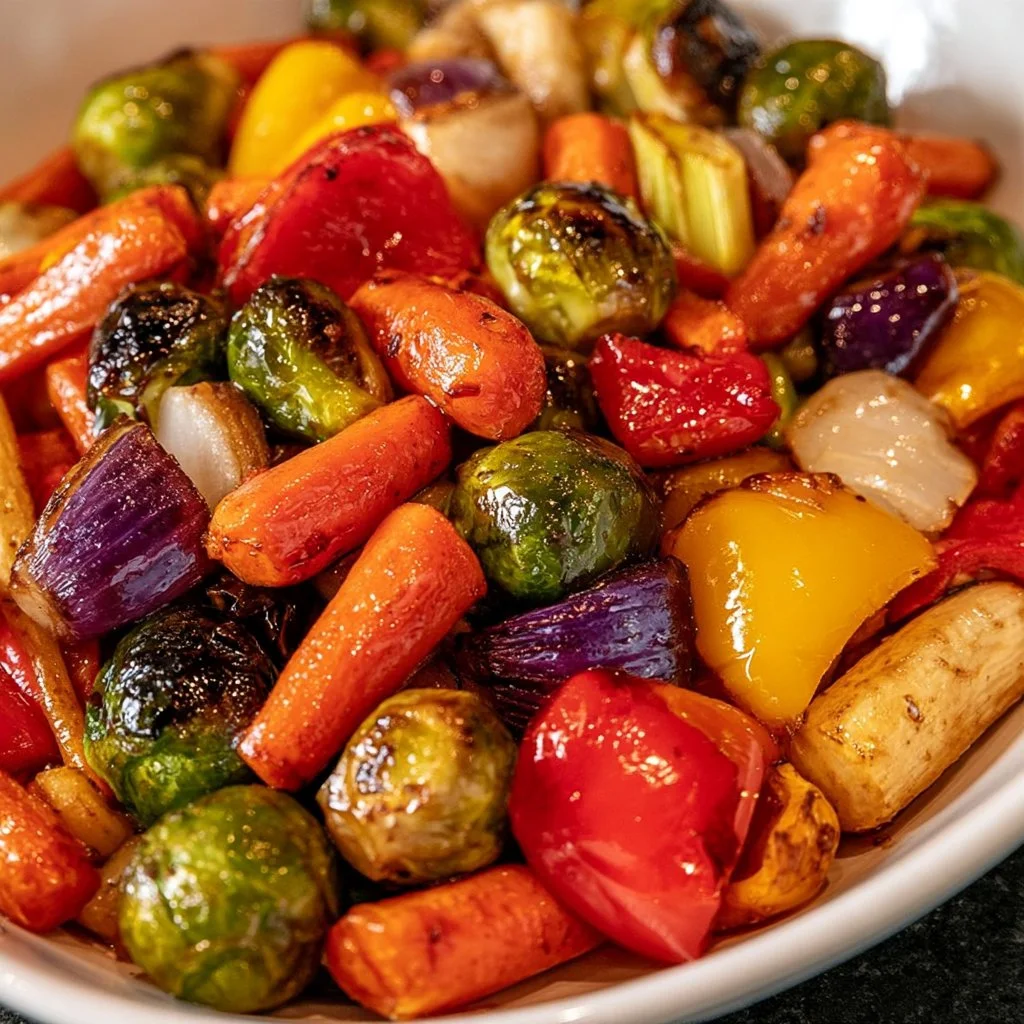
The versatility of this side dish is one of its standout features. Whether you’re hosting a holiday gathering, preparing for a casual family dinner, or simply looking for a nutritious addition to your weekday meals, balsamic glazed roasted vegetables fit the bill perfectly. The colorful medley of Brussels sprouts, carrots, bell peppers, and onions not only presents beautifully on the plate but also offers a wonderful range of textures—from tender-crisp veggies to caramelized edges packed with flavor. Each bite is a combination of both sweetness and savory notes, providing a satisfying contrast that’s hard to resist.
This dish can quickly become a go-to recipe because of its ease of preparation and the minimal time commitment involved. With just a few simple steps, you can create a culinary masterpiece that allows you to spend more time enjoying your meal and less time fussing over complicated instructions. The ingredients are also straightforward and commonly found in most kitchens, making it accessible for home cooks of all levels. Plus, the dish is not only delicious but also a healthy option, packed with vitamins and minerals, making it a fantastic choice for anyone looking to eat well while enjoying great flavor.
Whether paired with roasted chicken, pasta, or served as part of a vegetarian feast, these balsamic glazed roasted vegetables are sure to impress. Their bright colors and taste appeal to all, making them a fantastic side for any occasion, from formal dinners to laid-back cookouts. There’s something special about the smell of vegetables roasting in the oven, and when you add a balsamic glaze into the mix, it takes the experience to a whole new level. This side dish may very well become a perennial favorite on your dinner table.
What Makes This Recipe Special
The appeal of balsamic glazed roasted vegetables lies in their amazing flavor combination and simple preparation method. Roasting enhances the natural sugars in the vegetables, resulting in impressive caramelization and depth of flavor that you simply can’t achieve with other cooking methods. The touch of balsamic vinegar combined with honey or maple syrup creates a sweet and tangy glaze that clings perfectly to each piece of vegetable, adding an incredible burst of flavor in every bite. This particular harmony of tastes takes traditional roasted vegetables and elevates them into a restaurant-quality dish.
Moreover, the delightful range of textures adds to the dish’s allure. Each variety of vegetable offers a distinct crunch or tenderness, providing a satisfying mouthfeel that contrasts beautifully with the rich glaze. The Brussels sprouts become crispy on the edges, while the carrots and peppers meld into the dish with their own unique sweetness and juiciness. This complex interplay of textures is something that many similar dishes often overlook, making this recipe truly special among its peers.
What truly sets this dish apart is its versatility. You can customize it based on seasonal vegetables or what you have on hand. While Brussels sprouts, carrots, bell peppers, and onions are the base vegetables in this recipe, you can easily substitute or add zucchini, asparagus, or even sweet potatoes. This adaptability allows home cooks to experiment and bring their own flair to the dish, catering to personal preferences or dietary requirements—making it accessible for everyone.
Lastly, the presentation of balsamic glazed roasted vegetables is another appealing aspect. The combination of vibrant colors from the various vegetables creates an eye-catching medley that brightens up any meal. Plated alongside a main course, these roasted vegetables not only taste fantastic but also look delightful, adding an element of sophistication to your table setting. They can be served warm or at room temperature, making them perfect for potlucks or gatherings where a crowd-pleasing dish is essential.
Ingredient Overview and Helpful Notes
The ingredients in balsamic glazed roasted vegetables play a crucial role in determining the flavor, texture, and overall success of the dish. Here’s a breakdown of the main components: Brussels sprouts, carrots, bell peppers, and onions. Each offers unique contributions that make the final product delicious.
Brussels sprouts are the star of this dish. When roasted, they develop rich, nutty flavors, and their outer leaves become wonderfully crispy. It’s important to choose fresh sprouts that are firm and compact for the best result. Cut them in half to allow the roasting process to enhance their sweetness while providing that desirable caramelization. This technique ensures they can soak up the delicious balsamic glaze while retaining their natural crunch.
Carrots add sweetness and color, bringing a delightful contrast to the dish. Opt for fresh, firm carrots, and consider slicing them into uniform pieces to promote even cooking. The natural sweetness of carrots intensifies when roasted, balancing the tangy notes from the balsamic vinegar beautifully. You can also use baby carrots for a fun twist, but make sure they’re cut to a comparable size to ensure they cook evenly.
Bell peppers provide a vibrant pop of color and a fresh crunch. Any variety will work, including red, yellow, or orange, each imparting its own unique sweetness. Select firm, unblemished peppers, as they will contribute more flavor and texture. Dice them into bite-sized pieces, which will allow them to caramelize nicely among the other vegetables. This caramelization (the process of browning the sugar in the vegetable) adds depth to the overall flavor profile of the dish.
Onions add another layer of flavor, becoming sweet and tender as they roast. Select yellow or sweet onions for their milder taste that complements the other vegetables significantly. Cut them into wedges to allow them to roast and caramelize properly, creating a sticky sweetness that ties everything together. The onions should be fresh with a crisp texture; this will ensure they roast properly while not becoming overly mushy.
The balsamic vinegar and honey (or maple syrup) create the glaze that transforms this simple dish into something special. When selecting balsamic vinegar, look for one that is aged and thick; this will have a more robust flavor profile that adds complexity to the glaze. If you prefer, opt for a high-quality certified balsamic to experience the best results. Honey brings a natural sweetness to balance the acidity of the vinegar, while maple syrup can provide a delightful, earthy sweetness for those seeking a vegan alternative.
Lastly, the use of olive oil is vital for roasting vegetables as it aids in the cooking process by promoting even browning and preventing sticking. A good quality extra virgin olive oil will enhance the flavor of the vegetables, so selecting one with fruity notes will contribute positively to this dish. Complementing these ingredients with salt and pepper to taste will ensure that all the flavors come alive during the roasting process.
Nutrition & Recipe Details
Nutritional values may vary depending on ingredients, brands, portion sizes, and preparation methods. Here’s a general breakdown of what you can expect:
| Item | Value |
|---|---|
| Prep time | 15 minutes |
| Cook time | 30 minutes |
| Store time | 3 to 5 days |
| Calories | 120 per serving |
| Protein | 2 grams |
| Carbohydrates | 15 grams |
| Fat | 6 grams |
How to Make Balsamic Glazed Roasted Vegetables
Creating balsamic glazed roasted vegetables is a straightforward process that yields delicious results. The preparation entails gathering your ingredients and equipment efficiently so that the cooking experience is pleasant and seamless. You will need a large bowl for mixing your veggies, a small bowl for whisking the balsamic mixture, and a baking sheet to roast the vegetables. Having everything prepped before you begin will streamline the cooking process and help you achieve the best outcome.
First, you will need to wash and dry your vegetables thoroughly. Next, chop the Brussels sprouts in half, slice the carrots, chop the bell peppers, and cut the onions into wedges. Keep the pieces relatively uniform in size to ensure even roasting; this will prevent some vegetables from becoming overcooked while others remain undercooked. Once you’ve prepared the veggies, drizzle them with olive oil in a large bowl, followed by the balsamic vinegar, honey (or maple syrup), and a sprinkle of salt and pepper. Toss everything together until the veggies are evenly coated with the mixture.
Ingredients
| Ingredient | Quantity |
|---|---|
| Brussels sprouts | 2 cups, halved |
| Carrots | 2 cups, sliced |
| Bell peppers | 1 cup, chopped |
| Onions | 1 cup, chopped |
| Olive oil | 3 tablespoons |
| Balsamic vinegar | 1/4 cup |
| Honey or maple syrup | 2 tablespoons |
| Salt and pepper | to taste |
Once your ingredients are prepped and arranged, preheat your oven to 425°F (220°C), ensuring that it’s hot enough to roast the vegetables effectively. The high heat will help achieve that lovely caramelization that is vital for the dish. With everything in place, you will have the perfect tools to create roasted vegetables bursting with flavor and appeal.
Step-by-Step Instructions
-
Preheat the oven to 425°F (220°C). This high heat is essential for roasting, as it helps to caramelize the sugars in the vegetables, resulting in rich flavors and appealing textures. Don’t skip this step—ensure your oven reaches the proper temperature for best results.
-
In a large bowl, combine Brussels sprouts, carrots, bell peppers, and onions. Make sure all vegetables are evenly cut to ensure uniform cooking. If the pieces vary too much in size, some will overcook while others might remain firm or raw.
-
In a small bowl, whisk together olive oil, balsamic vinegar, honey (or maple syrup), salt, and pepper. Mixing these ingredients thoroughly will allow the flavors to meld nicely before you pour them over the vegetables. Be sure to taste the mixture and adjust seasoning if desired. This is where you can add more sweetness or acidity according to your preference.
-
Pour the balsamic mixture over the vegetables and toss to coat evenly. This step is key; fully coating the vegetables in the glaze will ensure that every piece turns out flavorful. You may want to use your hands for a more thorough coating, keeping the veggies as one cohesive batch.
-
Spread the vegetables in a single layer on a baking sheet. Ensure you leave enough space between the pieces for hot air to circulate around them. This prevents steaming and helps achieve those beautifully browned edges we all love. If necessary, use two baking sheets to avoid overcrowding.
-
Roast in the preheated oven for 25-30 minutes, or until the vegetables are tender and caramelized, stirring halfway through. This is crucial to ensure even roasting; turning the veggies promotes uniform browning and prevents sticking. Keep an eye on them in the last few minutes to prevent burning—the goal is golden-brown edges, not charred pieces.
-
Serve warm. Once out of the oven, let the roasted vegetables sit for a few minutes before serving. This brief resting period allows them to settle and enhances the final presentation. If desired, you can sprinkle fresh herbs or a squeeze of lemon juice for an added touch right before serving.
Understanding the Flavor and Texture
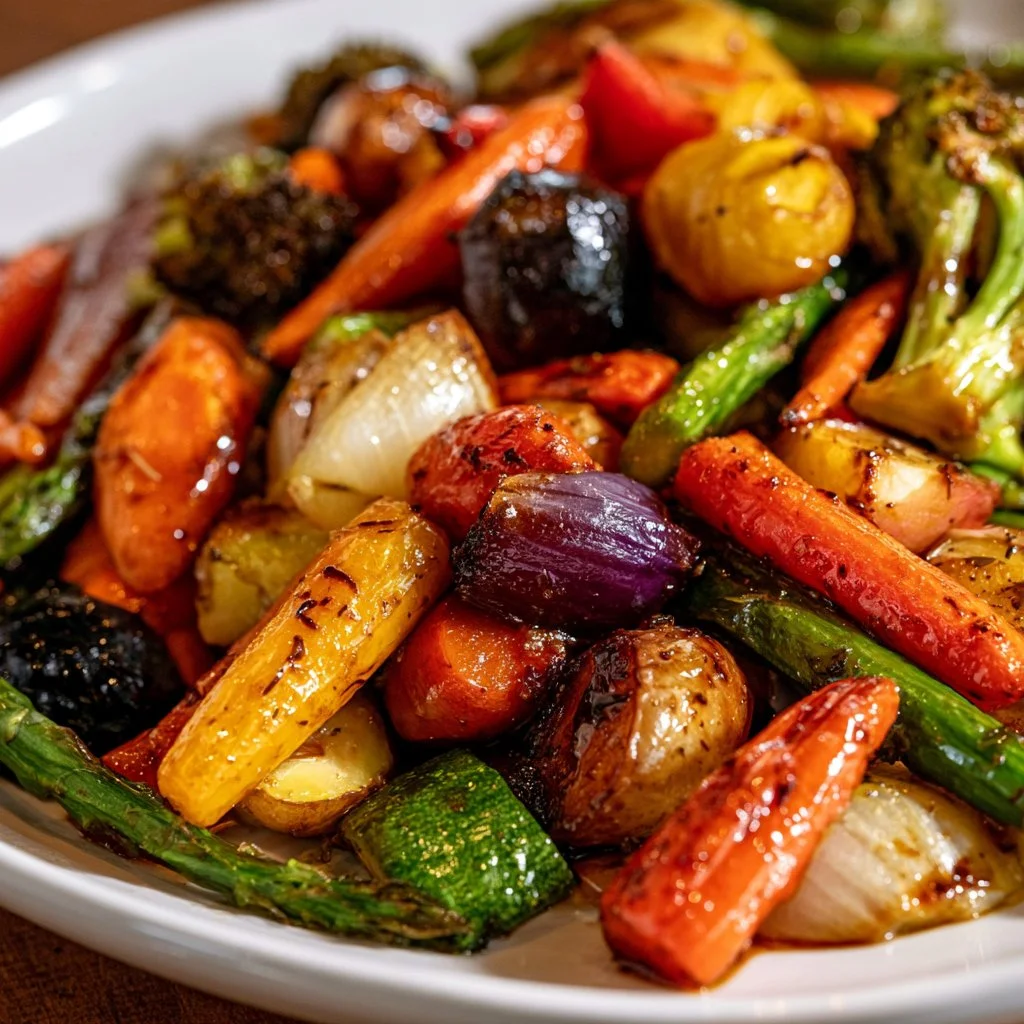
The beauty of balsamic glazed roasted vegetables lies in their harmonious blend of flavors and textures. The roasting process intensifies the natural sweetness of the Brussels sprouts, carrots, and bell peppers, while the balsamic glaze adds a tangy depth that balances beautifully. The result is a dish that marries sweetness with acidity, creating a multi-dimensional flavor experience that intrigues the palate. As the vegetables roast, they take on a golden-brown hue, accompanied by delightful caramelization that gives them a delectable exterior.
In terms of texture, the carrots and Brussels sprouts become tender, yet maintain a slight crunch, which provides a satisfying bite. Bell peppers, once roasted, soften nicely yet keep enough structure to stand out. The onions transform into sweet nuggets that melt in your mouth, adding a luscious quality to each forkful. When served warm, the glaze clings to the vegetables, creating a shiny, appetizing appearance that commands attention.
Recognizing a successful outcome is simple: the vegetables should appear vibrant and caramelized, with edges that are slightly crisp while the insides remain tender. The aromas wafting from the oven should fill your kitchen with warmth, inviting you to indulge in this colorful medley. This perfect balance of textures and flavors helps make this dish a standout, turning ordinary vegetables into a wholesome, vibrant experience.
Pro Tips
A few simple techniques can make a significant difference in the end result of your roasted vegetables. Here are some essential tips to elevate your dish and ensure perfect execution every time.
| Tip | Description |
|---|---|
| Use high-quality balsamic vinegar | Choosing a high-quality balsamic will enhance the depth of flavor in your glaze, providing a richer sweetness and acidity. Look for ones labeled “aged” or “traditional” for the best results. |
| Cut vegetables uniformly | Ensuring that all vegetables are cut to similar sizes promotes even cooking. This prevents some pieces from being overcooked while others remain raw, creating a more enjoyable eating experience. |
| Don’t overcrowd the baking sheet | Cooking vegetables in a single layer allows for even roasting and prevents them from steaming. Give each piece room to breathe, leading to better caramelization and flavor. |
| Experiment with different veggies | Diversity breeds creativity! Feel free to substitute or add other seasonal vegetables that you enjoy. Just keep in mind that cooking times may vary based on the types chosen. |
In addition to these tips, don’t be shy about personalizing your dish. Adding fresh herbs, a sprinkle of cheese, or a drizzle of high-quality olive oil right before serving can enhance flavors and aesthetics. The dish can also be prepared ahead of time and reheated, saving you valuable time during busy meal preparation.
Why You’ll Love This Recipe
Balsamic glazed roasted vegetables are a standout side dish that provides an explosion of flavor without requiring extensive effort. This easy recipe is perfect for both new and seasoned cooks, as it allows anyone to create stunning results with minimal skill. The vivid colors of the vegetables, combined with the glossy balsamic glaze, make for a visually appealing presentation that will impress your family and guests alike.
The ingredient list is designed to be both accessible and flexible. With common vegetables and pantry staples as the main elements, you can take the simplicity of this dish to your advantage. Additionally, it’s easy to double or halve the recipe, making it adaptable for various serving sizes. Whether it’s a quiet dinner for two or a vibrant gathering, this dish fits perfectly in any scenario.
Moreover, the vegetables are highly nutritious, packed with vitamins, minerals, and antioxidants—all while being low in calories. This makes balsamic glazed roasted vegetables not just a delicious addition to your meal but also a healthy option to inspire a positive lifestyle. They pair well with various cuisines and can easily complement a wide range of main dishes, making them a staple for busy weeknights or festive occasions.
Recipe flexibility does not just stop at the choice of veggies; the balsamic glaze can also be adjusted to suit individual preferences. Want more sweetness? Add extra honey. Prefer an extra kick? A dash of chili flakes will do the trick. This adaptability ensures that every cook can make this dish truly their own.
How to Serve Balsamic Glazed Roasted Vegetables
Balsamic glazed roasted vegetables shine on their own but can also be served alongside numerous dishes to create a fantastic meal. When showcasing this vibrant side, consider using a large serving platter to display the colorful medley. You can garnish the dish with fresh herbs like parsley or basil to add fresh notes and make the dish even more visually appealing.
These roasted vegetables pair wonderfully with a variety of proteins, such as grilled chicken, roasted turkey, or even a hearty quinoa dish. The balancing flavors of the roasted vegetables enhance the main course, creating a well-rounded dining experience. For a vegetarian option, they can be served with lentils or chickpeas to make the meal substantial.
For a festive touch, consider serving them alongside other sides, like creamy mashed potatoes or a light salad featuring citrus vinaigrette to contrast the richness of the roasted dish. If you are hosting a gathering, you can also serve them as part of a charcuterie board, alongside cheeses, olives, and bread for an elegant amuse-bouche.
When it comes to drinks, consider pairing balsamic glazed roasted vegetables with a light-bodied white wine or a refreshing sparkling water infused with lemon. For non-alcoholic options, a fruity herbal tea can enhance the overall flavors of the meal beautifully. Don’t be shy about experimenting with flavors to find what complements your palate best.
How to Store Balsamic Glazed Roasted Vegetables
Storing your leftovers properly will help to maintain the flavor and texture of these balsamic glazed roasted vegetables. To cool leftovers, let them sit at room temperature for about 30 minutes after cooking. Don’t leave them out for longer than two hours to avoid any food safety issues. Once cooled, transfer the vegetables to an airtight container, separating layers with parchment paper if you have a lot of leftovers. This method helps to prevent sticking and maintain crispiness.
Refrigerated, these roasted vegetables can last between 3 to 5 days. Simply place the container in the refrigerator and make sure to seal it tightly, as exposure to air can cause them to dry out or lose their flavor. If you’ve kept them longer than this, check for signs of spoilage before consuming.
For long-term storage, consider freezing roasted vegetables. Spread them in a single layer on a baking sheet, freeze until solid, then transfer to a freezer-safe bag. Mark the date and use them within 3 months for optimal flavor. When reheating, it’s essential to know that some textures may change; the vegetables may not retain their original crunch but will still taste delicious when eaten as part of a meal.
When reheating from frozen, thaw them in the refrigerator overnight. Reheat in a hot oven or skillet, adding a dash of olive oil to help restore some moisture and improve texture. Avoid reheating in a microwave if you desire crispy edges, as this tends to create a soggy texture.
Tips to Make Balsamic Glazed Roasted Vegetables
To ensure you achieve the best possible results, here are some tips for making your balsamic glazed roasted vegetables consistently excellent each time:
-
Spice it up: Don’t shy away from adding spices or herbs to the vegetables before roasting. Consider using garlic powder, paprika, or mixed Italian herbs for an extra layer of flavor. Just ensure these spices blend well with the balsamic vinegar and don’t overpower the dish.
-
Try different oils: While olive oil is the traditional choice for roasting, experimenting with flavored oils like garlic-infused or chili oil can give your dish a new twist. This will change the flavor profile without altering the cooking method.
-
Taste and adjust: Taste your balsamic glaze before pouring it over the vegetables. If it seems too tangy, adding a little more honey or maple syrup can help balance it out, ensuring a perfect blend that enhances the overall dish as you intended.
-
Don’t rush the roasting time: You might be tempted to remove the vegetables from the oven sooner, but ensuring you allow adequate time for roasting will yield the best results. Look for caramelization and doneness for the ideal texture.
By following these tips, you can enhance each aspect of the dish, ensuring a consistently delectable experience while preparing balsamic glazed roasted vegetables.
Variations and Substitutions
While the foundational recipe for balsamic glazed roasted vegetables is delicious as is, here are some variations and substitutions you can try to suit different tastes or dietary preferences:
-
Add nuts or seeds: Toss in some toasted nuts or seeds, such as walnuts or sunflower seeds, before serving for an added crunch and richness. They also increase the nutritional quality, contributing healthy fats and protein to the dish.
-
Incorporate root vegetables: While carrots are wonderful, you can substitute or add in seasonal root vegetables like parsnips or sweet potatoes for a different texture and sweetness profile. Just be mindful of varying cooking times; some may need a little longer to become tender.
-
Experiment with legumes: For a heartier dish, add cooked chickpeas or lentils before roasting. These legumes will absorb the balsamic glaze and add both protein and fiber, making for a more filling side dish.
-
Herb variations: Fresh or dried herbs can dramatically alter the taste. Consider adding rosemary, thyme, or sage for an earthier profile, or experiment with a dash of smoked paprika for a smoky flavor.
-
Cheese topping: For a rich, savory addition, sprinkle crumbled feta or goat cheese over the roasted vegetables just before serving. The creamy texture complements the sweetness of the vegetables while adding a tangy punch.
By incorporating these options, you can enjoy a variety of flavors and textures while keeping the essence of the balsamic glazed roasted vegetables intact.
Storage and Reheating
Proper storage and reheating techniques are crucial to maintain the quality of your balsamic glazed roasted vegetables. Follow these guidelines to ensure your leftovers stay delicious and enjoyable:
-
Dividing portions: If you plan on saving leftovers, consider dividing them into smaller portions before storing. This will allow for easier reheating later, without exposing all the vegetables to air repeatedly. Small portions also reduce the time needed for reheating while maintaining moisture levels.
-
Using airtight containers: An airtight container is essential to keep the vegetables fresh. Ensure the lid is properly sealed after cooling, and use containers that are appropriately sized to minimize excess air space. This helps prevent drying out and retains flavor.
-
Reheating in the oven: The best method for reheating roasted vegetables is in the oven. Preheat the oven to around 350°F (175°C) and spread the vegetables on a baking sheet. Heat for about 10-15 minutes, allowing them to warm up thoroughly. You can add a dash of olive oil if they seem a bit dry.
-
Avoiding the microwave: If possible, avoid reheating in the microwave. The microwave tends to steam vegetables, leading to a loss of the desirable crispy texture that makes them so enjoyable. However, if you’re in a pinch, you can use the microwave at lower power settings and check frequently to avoid sogginess.
-
Moisture management: For any reheating method, monitor moisture levels. If you notice any excess moisture from condensation, dab it away gently with a paper towel before reheating. Introducing a small amount of olive oil in new batches can help restore lost richness upon reheating.
By following these storage and reheating guidelines, you will ensure that your balsamic glazed roasted vegetables thrill your taste buds time and time again.
Customization Ideas
Customization is the key to making this dish uniquely yours. Here are some practical ideas for adjusting the flavor, texture, and presentation of your balsamic glazed roasted vegetables:
-
Flavor adjustments: If you’re a lover of heat, consider adding red pepper flakes or a drizzle of Sriracha to the balsamic mixture before tossing the vegetables. This will add a lovely spicy kick that contrasts beautifully with the sweetness of the glaze.
-
Change the glaze: For a different flavor experience, try substituting balsamic vinegar with apple cider vinegar or red wine vinegar. You can also enhance the glaze by adding a splash of Dijon mustard for extra flavor or even purely sweet options like maple syrup without the vinegar, creating a decadent treat.
-
Garnishes: Elevate your dish by adding garnishes right before serving. Fresh herbs like parsley, basil, or cilantro can brighten up the flavors and add a fresh element, contrasting nicely with the roasted vegetables. You can also microplane some lemon zest for a citrusy lift that pairs well with the glaze.
-
Roasting techniques: For a more caramelized flavor, try using a cast-iron skillet or grilling the vegetables for a few minutes. This technique will lend a different texture and char, enhancing the overall flavor profile while allowing you to explore more than traditional oven roasting.
By considering these customization ideas, you can create a balsamic glazed roasted vegetable dish that uniquely fits your palate. This adaptability assures that you will never grow tired of the same flavors and can keep the dish fresh and exciting on your table.
Common Mistakes to Avoid
Avoiding common pitfalls can make a big difference in the outcome of your balsamic glazed roasted vegetables. Here are some mistakes to watch out for:
-
Cutting vegetables unevenly: If the vegetables are cut in various sizes, they’ll cook at different rates. Smaller pieces may burn while larger ones remain undercooked. Always aim for uniform cuts for even cooking.
-
Overcrowding the baking sheet: Placing too many vegetables on the baking sheet can lead to steaming rather than roasting, defeating the purpose of caramelization. Use two sheets if necessary to allow each piece to roast properly and enjoy that beautiful texture.
-
Skipping the tasting process: It’s crucial to taste your balsamic mixture before using it. If you find it too strong or tart, adjust it by adding honey or additional seasonings. Failing to do this may lead to a dish that is imbalanced or less enjoyable.
-
Neglecting to stir halfway through: Not turning the vegetables during roasting can lead to uneven cooking and browning. Make it a habit to stir or flip the vegetables halfway, ensuring they roast to a perfect golden-brown together.
-
Overcooking: It can be tempting to leave vegetables in the oven longer, but doing so will result in mushy textures. Keep a close eye towards the end of the roasting time, looking for that desired caramelization without sacrificing tenderness.
By avoiding these common mistakes, you can effortlessly create a stunning dish that showcases the wonderful flavors of balsamic glazed roasted vegetables.
Serving Occasions
Balsamic glazed roasted vegetables are remarkably versatile and can be served for a variety of occasions. They shine during holiday gatherings, warming family dinners, and casual lunches alike. The vibrant colors and appealing flavors give them an elevated presence, making them an ideal choice for festive meals. For instance, when served during Thanksgiving or Christmas, they can bring a fresh, vibrant note to a table filled with heavier dishes, balancing out the meal perfectly.
These roasted vegetables are also a fantastic option for summer barbecues or outdoor cookouts, where their quick preparation and ease of serving make them highly desirable. Pair them with grilled fare—be it handcrafted burgers, kebabs, or even plant-based options—and watch them disappear from the table. Their sweet and tangy flavor will complement grilled meats, making them a pleasant sidekick to your favorite summer dishes.
If you are planning a potluck or a large gathering, this dish could be made in advance and served either warm or at room temperature. The ease of preparation and beautiful presentation makes it a great choice for a dish that you want to showcase without stress. On busy weeknights, a quick pan-roasted chicken or pasta dish paired with these vegetables creates a wholesome dinner that requires minimal effort, allowing you to enjoy quality time with family.
In short, whether you are preparing a cozy family meal or hosting larger gatherings, balsamic glazed roasted vegetables excel in any situation. Their inherent versatility, flavor, and vibrancy lend themselves perfectly to a wide range of occasions.
Why Make This Recipe?
Making balsamic glazed roasted vegetables is worthwhile for a multitude of reasons. Firstly, the combination of flavors is unique and enticing. The balance of sweetness from the glaze coupled with the natural savory notes of the vegetables creates an unforgettable taste experience that’s often sought after but rarely achieved with simpler side dishes. Just think about how this bodes well for dinners led by seasoned cooks and appealing to novice chefs alike.
Additionally, this recipe allows for creativity on the part of the cook while offering a well-structured guide that ensures success. Unlike more complex recipes that can be intimidating, this one shines because of its simplicity, bringing abundance and elegance to any plate. The ease of cooking ensures that even beginners can follow along without feeling overwhelmed. This allows for stress-free cooking experiences on busy nights or during festive occasions, leaving plenty of room for enjoyment.
Moreover, the emphasis on fresh, vibrant vegetables promotes a healthier lifestyle. This dish makes it easier to incorporate nutritious plant-based options into meals without sacrificing flavor. It also aligns with modern dietary preferences that focus on whole-foods and ease of cooking. The ability to adapt based on ingredient availability ensures that it’s always relevant throughout the year, helping home cooks diversify their culinary repertoire.
Finally, the joy that comes from creating a beautiful dish that brings family and friends together is something that few recipes can boast. The pleasing aromas, rich flavors, and appealing presentation make balsamic glazed roasted vegetables a memorable centerpiece at your table. For these reasons, this recipe deserves a treasured spot in your regular meal rotation.
Make-Ahead Preparation
Making balsamic glazed roasted vegetables in advance is a marvelous way to save time without sacrificing flavor or quality. To prepare ahead, you can wash, chop, and store the vegetables in an airtight container in the refrigerator. This can be done the night before or even a couple of days ahead, streamlining the cooking process when it’s time to roast.
Additionally, you can prepare the balsamic glaze ahead of time. Mixing the glaze ingredients— olive oil, balsamic vinegar, honey, salt, and pepper—allows the flavors to meld together. Store the glaze in a small jar or bowl, sealed tightly in the refrigerator. When ready to use, just whisk again before drizzling over the vegetables, bringing that fresh burst of flavor to life before cooking.
However, it’s best to roast the vegetables closer to serving time. Roasting them ahead for long periods may result in a loss of texture quality and freshness; they can become either mushy or dried out when left too long after being cooked. So, if possible, plan to roast them shortly before mealtime for the best taste experience, allowing their vibrant flavors to shine.
By utilizing these make-ahead strategies, you can enjoy the delightful benefits of balsamic glazed roasted vegetables without the last-minute rush, ensuring a successful meal every time.
Equipment and Kitchen Preparation
Getting organized in the kitchen can significantly enhance your cooking experience while making balsamic glazed roasted vegetables. Here’s what you’ll need to effectively prepare this dish:
-
Mixing bowls: Having a large mixing bowl is essential for combining the vegetables and the balsamic glaze. A smaller bowl will also be needed for whisking together the glaze components. Opt for glass or stainless steel bowls for easy cleaning and durability.
-
Cutting board and sharp knife: A sturdy cutting board paired with a sharp knife will make chopping vegetables efficient and safe. It’s crucial to use a good knife to speed through the preparation process while maintaining control and precision.
-
Baking sheet: A large, rimmed baking sheet is best for roasting. Look for a heavy-gauge metal sheet that promotes even browning. If possible, opt for a non-stick or parchment-lined sheet to prevent the vegetables from sticking during the cooking process.
-
Spatula or tongs: Having a spatula or tongs handy will enable you to easily toss the vegetables and ensure they are evenly coated in the glaze. Using these tools will help prevent wasting time and keep your hands clean during the cooking process.
-
Cooling rack (optional): If you have a cooling rack, consider placing the baking sheet on top of it once you’ve finished roasting the vegetables. This allows air to circulate underneath, helping to maintain the crispness of the exterior.
By preparing your kitchen space and gathering the equipment before you start cooking, you’ll ensure a smooth and enjoyable cooking experience while preparing delicious balsamic glazed roasted vegetables.
FAQs
1. Can I use different vegetables for this recipe?
Absolutely! You can incorporate a variety of vegetables into this dish, such as zucchini, asparagus, or sweet potatoes. Just keep in mind that some vegetables may have different roasting times, so adjust accordingly to ensure everything cooks evenly.
2. Is this dish gluten-free?
Yes, balsamic glazed roasted vegetables are gluten-free, making them an excellent choice for those with gluten sensitivities. Always double-check your other ingredients (such as vinegar) to ensure they are gluten-free as well.
3. Can I make this recipe vegan?
Yes! To make this dish vegan, simply use maple syrup instead of honey. The balsamic vinegar and the combination of veggies make it a delicious and plant-based option.
4. How do I store leftovers?
Cool your leftovers at room temperature for about 30 minutes before transferring them to an airtight container. You can store them in the refrigerator for 3 to 5 days. They can also be frozen, with the caveat that their texture may change slightly upon thawing and reheating.
5. How do I reheat the vegetables?
The best way to reheat these vegetables is in the oven at 350°F (175°C) for 10-15 minutes. This method will help maintain their texture. Microwaving is less recommended, as it can create a soggy outcome.
6. Can the balsamic glaze be made in advance?
Yes, you can prepare the balsamic glaze ahead of time by combining the ingredients in a jar and storing it in the refrigerator. This can save you time when you’re ready to cook the vegetables.
7. How do I know when the vegetables are done roasting?
The vegetables are done when they are fork-tender and have acquired a nice caramelization on the edges. Typically, roasting for 25-30 minutes should yield the right texture and flavor balance.
8. Can I serve this dish cold?
Yes, balsamic glazed roasted vegetables can be served warm or at room temperature. They are also delicious when chilled, making them versatile for potlucks or picnics.
Disclaimer
The nutritional information provided is approximate and may vary based on ingredient brands, substitutions, portion sizes, and preparation methods.
Print
Balsamic Glazed Roasted Vegetables
- Total Time: 45 minutes
- Yield: 4 servings 1x
- Diet: Vegetarian
Description
A vibrant and flavorful side dish featuring roasted Brussels sprouts, carrots, bell peppers, and onions, enhanced with a sweet-tart balsamic glaze.
Ingredients
- 2 cups Brussels sprouts, halved
- 2 cups carrots, sliced
- 1 cup bell peppers, chopped
- 1 cup onions, chopped
- 3 tablespoons olive oil
- 1/4 cup balsamic vinegar
- 2 tablespoons honey or maple syrup
- Salt and pepper to taste
Instructions
- Preheat the oven to 425°F (220°C).
- Combine Brussels sprouts, carrots, bell peppers, and onions in a large bowl.
- Whisk together olive oil, balsamic vinegar, honey (or maple syrup), salt, and pepper in a small bowl.
- Pour the balsamic mixture over the vegetables and toss to coat evenly.
- Spread the vegetables in a single layer on a baking sheet.
- Roast in the preheated oven for 25-30 minutes, stirring halfway through.
- Serve warm and enjoy!
Notes
Feel free to customize with seasonal vegetables or adjust glaze sweetness to taste.
- Prep Time: 15 minutes
- Cook Time: 30 minutes
- Category: Side Dish
- Method: Roasting
- Cuisine: American
Nutrition
- Serving Size: 1 serving
- Calories: 120
- Sugar: 8g
- Sodium: 250mg
- Fat: 6g
- Saturated Fat: 1g
- Unsaturated Fat: 5g
- Trans Fat: 0g
- Carbohydrates: 15g
- Fiber: 4g
- Protein: 2g
- Cholesterol: 0mg