
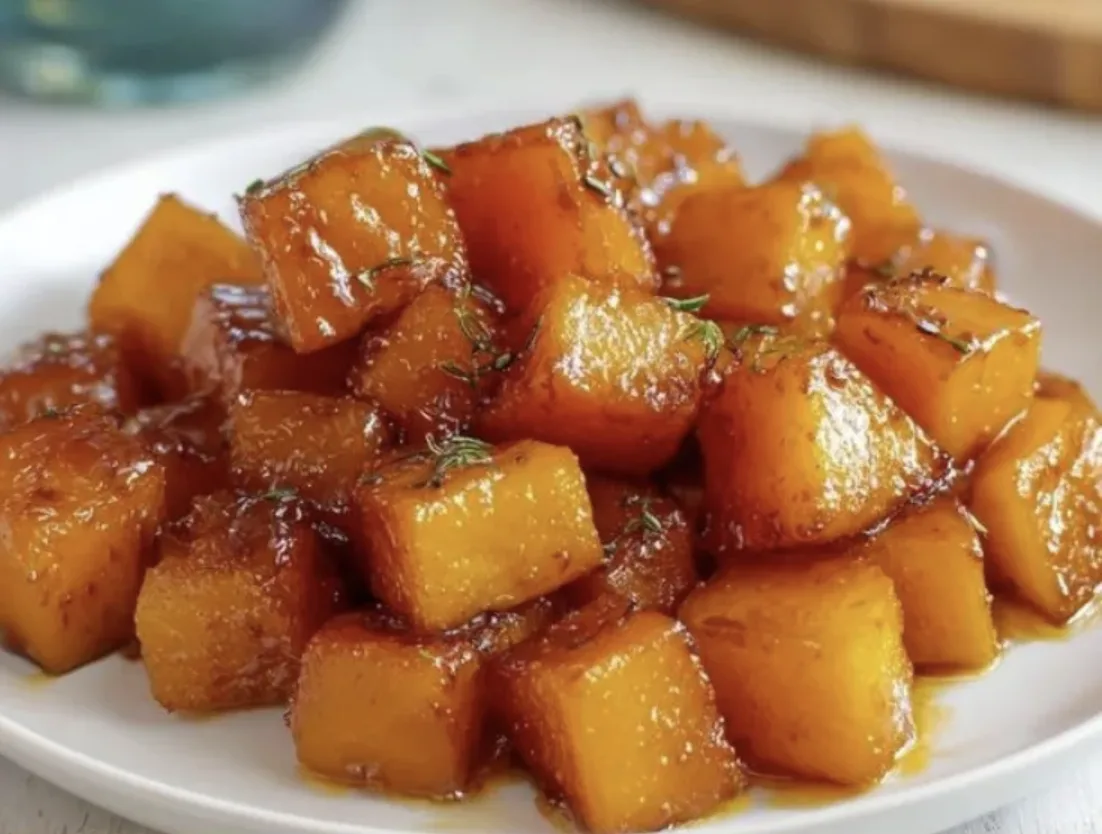
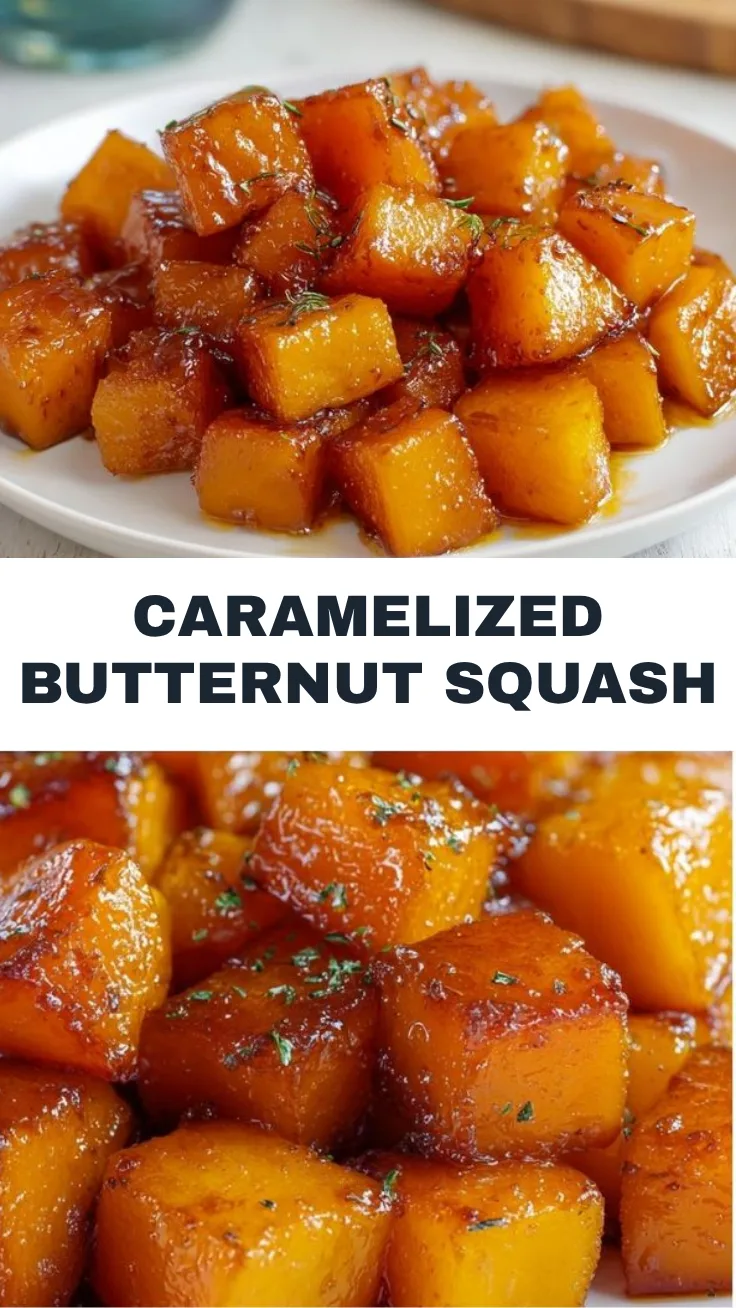
This Delicious Caramelized Butternut Squash with Brown Sugar is a simple, flavorful side dish that brings warmth and sweetness to any meal. Made with fresh butternut squash, melted butter, brown sugar, and a pinch of salt, this easy oven-roasted recipe transforms humble squash into tender, golden cubes with beautifully caramelized edges.
As the squash roasts, its natural sweetness becomes more pronounced, while the brown sugar creates a lightly caramelized coating. The butter adds richness and helps the seasoning cling to every piece, resulting in a comforting combination of sweet and savory flavors.
One of the best things about this recipe is how little preparation it requires. After peeling and cubing the squash, simply toss it with the butter, brown sugar, and salt, spread it on a baking sheet, and let the oven do the rest.
This caramelized butternut squash is perfect for fall dinners, Thanksgiving, holiday gatherings, and everyday family meals. It pairs beautifully with roasted chicken, turkey, beef, and vegetarian main dishes. You can also enjoy it as a warm snack or customize it with cinnamon, maple syrup, or your favorite seasonal spices.
Whether you are preparing a festive dinner or looking for an easy way to serve more vegetables, this roasted butternut squash recipe is a delicious addition to your recipe collection.
Why You’ll Love This Caramelized Butternut Squash Recipe
There are plenty of reasons to make this sweet and savory squash dish throughout the fall and winter seasons.
1. Naturally Sweet and Flavorful
Butternut squash has a naturally sweet, mildly nutty flavor that becomes even more pronounced when roasted.
The brown sugar complements that sweetness, while the small amount of salt helps balance the flavor. Together, these simple ingredients create a delicious side dish without requiring a complicated sauce.
2. Beautifully Caramelized Edges
Roasting the squash at 400°F allows its exterior to develop golden-brown color while the inside becomes tender.
The brown sugar and butter coat the cubes, helping them develop a delicious caramelized finish. Turning the squash halfway through cooking encourages more even roasting.
3. Simple Ingredients
You only need four basic ingredients: butternut squash, butter, brown sugar, and salt.
There is no need for special equipment or a long list of seasonings. The recipe is easy to prepare with ingredients that are readily available at most grocery stores.
4. Easy Oven-Roasted Preparation
Once the squash is peeled, cubed, and seasoned, the oven handles most of the work.
This makes the recipe particularly convenient when preparing a larger meal. You can work on your main dish or other side dishes while the squash roasts.
5. Perfect for Fall and Holiday Meals
The warm color and sweet, roasted flavor make this dish a natural fit for Thanksgiving, Christmas dinners, and autumn gatherings.
It also works well for ordinary weeknight dinners when you want a comforting vegetable side without spending too much time in the kitchen.
6. Easy to Customize
You can replace the butter with olive oil or coconut oil, substitute maple syrup for brown sugar, or add cinnamon before serving.
You can also experiment with sweet potatoes or pumpkin for a different roasted vegetable dish.
Recipe Details
- Prep Time: 15 minutes
- Cook Time: 40 minutes
- Total Time: 55 minutes
- Servings: 6
- Course: Side Dish
- Cuisine: American
- Oven Temperature: 400°F (200°C)
Ingredients for Caramelized Butternut Squash with Brown Sugar
This recipe uses four simple ingredients to create a sweet, buttery coating and tender roasted squash.
1. Butternut Squash — 2 Medium Squash
Butternut squash is the star of this recipe. It has firm orange flesh, a mild nutty flavor, and natural sweetness that develops during roasting.
Choose squash that feels firm and heavy for its size. The skin should be intact, without extensive soft spots.
Peel the squash, remove the ends, cut it in half lengthwise, and scoop out the seeds before cutting the flesh into approximately 1-inch cubes.
Keeping the pieces similar in size helps them cook evenly.
2. Butter — 3 Tablespoons, Melted
Butter adds richness and helps the brown sugar coat the squash.
As the squash roasts, the butter contributes to the glossy coating and complements the vegetable’s natural sweetness.
For a dairy-free alternative, use coconut oil or olive oil. Olive oil produces a more savory flavor, while coconut oil can contribute a subtle coconut note depending on the type used.
3. Brown Sugar — ¼ Cup
Brown sugar provides sweetness and helps the squash develop caramelized edges.
Its warm, molasses-like flavor works particularly well with butternut squash and makes this recipe especially suitable for autumn meals.
If you prefer an alternative sweetener, the original recipe suggests maple syrup or coconut sugar. Each option will produce a slightly different flavor and texture.
4. Salt — ¼ Teaspoon
A small amount of salt balances the sweetness of the brown sugar and brings out the squash’s natural flavor.
Even in a sweet vegetable dish, salt helps prevent the finished recipe from tasting one-dimensional.
Measure it carefully so it complements rather than overwhelms the other ingredients.
Kitchen Tools You’ll Need
You do not need specialized equipment to prepare this recipe.
- Large baking sheet: Provides enough space for the squash cubes to roast in a single layer.
- Sharp knife: Helps cut through the firm squash safely and evenly.
- Cutting board: Provides a stable surface for peeling and cutting.
- Mixing bowl: Makes it easy to coat the squash with the butter and brown sugar mixture.
- Measuring cups and spoons: Help measure the ingredients accurately.
- Wooden spoon or spatula: Useful for tossing the squash and turning it during roasting.
- Vegetable peeler: Helps remove the tough outer skin.
A large baking sheet is particularly useful because overcrowding can prevent the squash from caramelizing properly.
How to Make Caramelized Butternut Squash with Brown Sugar
Follow these straightforward steps to prepare tender, golden squash with a sweet caramelized coating.
Step 1: Prepare the Squash
Preheat your oven to 400°F (200°C).
Place the butternut squash on a stable cutting board. Using a sharp knife, trim off both ends.
Peel the squash with a sturdy vegetable peeler, removing the tough outer skin. Cut the squash in half lengthwise and use a spoon to scoop out the seeds and stringy center.
Cut the squash flesh into approximately 1-inch cubes.
Try to keep the pieces as uniform as possible. Smaller pieces may become tender more quickly, while larger pieces can require additional roasting time.
If the squash feels difficult to cut, work slowly and make sure it is stable on the cutting board. Avoid rushing through this step.
Step 2: Prepare the Brown Sugar Coating
Place the melted butter in a large mixing bowl.
Add the brown sugar and salt, then stir until the ingredients are evenly combined.
The mixture should look glossy, with the brown sugar distributed throughout the melted butter.
Add the cubed squash to the bowl.
Using a wooden spoon or spatula, toss the cubes gently until they are coated on as many sides as possible.
Take your time with this step so that the butter and brown sugar mixture is distributed throughout the squash rather than concentrated at the bottom of the bowl.
Step 3: Arrange the Squash on a Baking Sheet
Transfer the coated squash cubes to a large baking sheet.
Spread them into a single layer, leaving some space between the pieces.
Avoid piling the squash on top of itself. When the cubes are crowded, moisture can collect on the baking sheet and make the squash steam rather than roast.
If necessary, use a larger baking sheet to give the pieces more room.
Scrape any remaining butter and brown sugar mixture from the bowl and distribute it over the squash.
Step 4: Roast the Squash
Place the baking sheet in the preheated oven and roast for approximately 40 minutes, flipping the squash halfway through cooking.
Turning the cubes exposes different surfaces to the hot baking sheet and helps them roast more evenly.
As the squash cooks, the flesh should become tender, and the brown sugar coating should develop golden, caramelized areas.
The exact cooking time can vary depending on the size of the cubes, the type of baking sheet, and your oven.
Check the squash near the end of the cooking time by piercing a cube with a fork. It should slide in easily when the squash is tender.
If the cubes are still firm, continue roasting until they reach the desired texture.
Step 5: Check the Caramelization
Once the squash is tender, inspect the surface for golden-brown edges.
Some pieces may caramelize more than others, which is normal. The goal is to achieve tender interiors with flavorful, lightly browned exteriors.
If the squash is tender but the edges have not browned as much as you would like, you can continue roasting briefly while watching closely.
Because brown sugar contains sugars that can darken quickly, avoid leaving the squash unattended near the end of cooking.
Step 6: Rest and Serve
Remove the baking sheet from the oven and allow the squash to cool slightly.
Transfer the cubes to a serving dish, scraping up any suitable caramelized coating from the pan.
Serve warm as a side dish with your favorite main course.
For additional flavor, the original recipe suggests sprinkling the squash with cinnamon or drizzling it with maple syrup before serving.
Use additional sweetener sparingly if you prefer to maintain a balance between the squash’s natural sweetness and the brown sugar coating.
Pro Tips for the Best Caramelized Butternut Squash
A few simple techniques can help you achieve the best texture and flavor.
Cut the Squash into Uniform Cubes
Try to make the cubes approximately 1 inch in size.
Uniform pieces cook at a similar rate, reducing the chance that some will become overly soft while others remain firm.
If you are working with two medium squash, take a moment to check the size of the cubes before seasoning them.
Do Not Overcrowd the Baking Sheet
Space is important when roasting vegetables.
If the cubes are packed too closely together, moisture can accumulate and interfere with caramelization.
Arrange the squash in a single layer and use a second baking sheet if necessary.
Coat the Squash Thoroughly
Toss the cubes until the melted butter, brown sugar, and salt are evenly distributed.
This helps ensure that each piece develops flavor during roasting.
Stir the mixture again if the brown sugar settles at the bottom of the bowl.
Flip Halfway Through Cooking
Turning the squash halfway through the roasting time helps expose different sides to the hot baking sheet.
This encourages more even cooking and gives more surfaces an opportunity to caramelize.
Use a spatula to turn the cubes gently without crushing them.
Watch the Squash Near the End
The recipe calls for approximately 40 minutes of roasting, but the actual time can vary.
Begin checking the squash as it approaches the end of the cooking period. Small cubes may finish earlier, while larger pieces may need longer.
Look for tender flesh and golden-brown edges rather than relying on the clock alone.
Choose the Right Baking Sheet
A large, sturdy baking sheet helps distribute the squash evenly.
If you use a smaller pan, the cubes may be crowded, which can lead to a softer rather than caramelized result.
Add Extra Flavor After Roasting
For a seasonal variation, sprinkle cinnamon over the warm squash or add a small drizzle of maple syrup.
You can also experiment with herbs or spices, depending on the main dish you are serving.
Add extra sweetener gradually because the squash and brown sugar already provide considerable sweetness.
Ingredient Substitutions and Flavor Variations
This recipe is easy to adapt depending on your preferences and the ingredients you have available.
1. Maple-Glazed Butternut Squash
Replace the brown sugar with maple syrup for a variation with a distinct maple flavor.
Maple syrup complements the natural sweetness of the squash and works particularly well for fall and winter meals.
Because liquid sweeteners behave differently from granulated sugar, the coating may have a slightly different texture. Spread the mixture evenly and monitor the squash as it roasts.
2. Coconut Sugar Butternut Squash
Use coconut sugar instead of brown sugar if you prefer its deeper caramel-like flavor.
The finished dish may have a slightly different sweetness and color, but the basic preparation remains the same.
3. Dairy-Free Roasted Butternut Squash
Replace the butter with olive oil or coconut oil.
Olive oil provides a more savory, neutral roasted flavor, while coconut oil may add a subtle tropical note.
The result will not have exactly the same buttery taste, but the squash can still become tender and caramelized.
4. Cinnamon Brown Sugar Squash
Sprinkle a little ground cinnamon over the squash before serving.
Cinnamon complements the brown sugar and natural sweetness of the squash, creating a warm, autumn-inspired flavor.
You can also combine cinnamon with a small pinch of nutmeg for a more pronounced seasonal aroma.
5. Roasted Butternut Squash with Herbs
If you prefer a more savory side dish, experiment with fresh thyme, rosemary, or another favorite herb.
Herbs provide an aromatic contrast to the brown sugar. Use a modest amount so the flavor does not overpower the squash.
This variation pairs especially well with roasted chicken, turkey, and other savory main dishes.
6. Sweet Potato Variation
The original recipe suggests replacing the butternut squash with sweet potatoes.
Peel and cube the sweet potatoes into similarly sized pieces, then coat them with the butter, brown sugar, and salt mixture.
Cooking time may differ depending on the size and variety of the sweet potatoes, so check for tenderness as they roast.
7. Pumpkin Variation
Pumpkin can also be used for a different seasonal side dish.
Choose a suitable cooking pumpkin rather than a variety intended primarily for decoration. Cut it into uniform pieces and adjust the roasting time as necessary.
Pumpkin texture and moisture content can vary, so monitor the pan carefully.
8. A Less-Sweet Version
If you prefer a more savory dish, reduce the brown sugar and rely more heavily on the squash’s natural flavor.
The original recipe calls for ¼ cup brown sugar, so any reduction will change the balance of the finished dish.
You can also emphasize herbs and black pepper to create a more savory flavor profile.
What to Serve with Caramelized Butternut Squash
This roasted squash works well with a wide range of meals, from traditional holiday dinners to simple weekday dishes.
Roast Chicken or Turkey
Serve the squash alongside roast chicken or turkey for a classic autumn meal.
Its sweet, caramelized flavor complements the savory meat, while its golden color adds visual appeal to the plate.
It is also a natural addition to Thanksgiving and Christmas menus.
Beef and Pork Dishes
The sweetness of the squash pairs well with roasted beef and other savory meat dishes.
Serve it alongside a roast, grilled meat, or another hearty main course for a comforting meal.
Vegetarian Grain Bowls
Add the roasted squash to a grain bowl with quinoa, rice, or another favorite grain.
You can include leafy greens, beans, or roasted vegetables to create a more substantial vegetarian meal.
The caramelized squash contributes sweetness and texture to the bowl.
Lentils and Beans
Serve the squash with lentils, chickpeas, or white beans for a satisfying meatless meal.
The sweet roasted flavor provides contrast to the earthy taste of legumes.
Fresh Green Salad
A fresh salad with leafy greens and a tangy dressing balances the richness and sweetness of the squash.
This combination works particularly well when you want a lighter meal with a warm vegetable side.
Holiday Side Dish Spread
Include the squash alongside mashed potatoes, stuffing, green beans, roasted Brussels sprouts, or other seasonal vegetables.
The caramelized surface and warm color make it an attractive addition to a festive table.
Serve It as a Warm Snack
You can also enjoy a small bowl of roasted squash as a warm snack.
If you prefer a sweeter finish, add a light sprinkle of cinnamon. For a more savory option, experiment with herbs or black pepper.
Make-Ahead Instructions
This recipe is convenient for meal preparation because the squash can be peeled and cubed before roasting.
Prepare the Squash in Advance
Peel the squash, remove the seeds, and cut it into 1-inch cubes.
Transfer the cubes to a suitable covered container and refrigerate until you are ready to cook, following the original recipe’s meal-prep guidance.
Keeping the pieces evenly sized makes it easier to season and roast them when needed.
Mix the Coating Before Cooking
You can measure the butter, brown sugar, and salt in advance.
When you are ready to cook, melt the butter, combine it with the brown sugar and salt, and toss with the prepared squash.
For the best roasting results, coat the squash shortly before placing it in the oven.
Roast Before Serving
The squash is best served warm, when the coating is glossy and the interior is tender.
If you are preparing a large meal, plan the roasting time around your main dish so the squash can be served shortly after it comes out of the oven.
Storage and Reheating Instructions
How to Store Leftover Butternut Squash
Allow leftover squash to cool appropriately, then transfer it to an airtight container and refrigerate.
The original recipe recommends storing leftovers in the refrigerator for up to 4 days.
The coating may become less crisp during storage, but the squash can still be enjoyed as a side dish or added to other meals.
How to Reheat Caramelized Butternut Squash
For the best texture, reheat the squash in the oven.
Spread the cubes on a baking sheet and warm them until heated through. Avoid piling them too closely together, as this can make the pieces softer.
The microwave is also an option when convenience matters, although the squash may lose some of its roasted texture.
Can You Freeze Caramelized Butternut Squash?
The original recipe does not provide a specific freezing time or detailed freezing instructions.
If you choose to freeze the cooked squash, be aware that freezing and thawing may soften its texture. The cubes may not retain the same firm edges as freshly roasted squash.
For the best quality, prepare only the quantity you expect to use and refrigerate leftovers according to the storage guidance above.
Frequently Asked Questions
Can I Use Frozen Butternut Squash?
Frozen butternut squash can be convenient, but the original recipe’s instructions are written for fresh squash that is peeled and cut into cubes.
Frozen squash may release additional moisture during roasting and can become softer. If you use it, follow the package guidance where applicable and monitor the cooking process rather than assuming the same texture and timing.
Why Is My Butternut Squash Not Caramelizing?
Overcrowding is one possible reason. When the pieces are packed too closely together, moisture can collect on the baking sheet and cause the squash to steam.
Spread the cubes in a single layer, use a sufficiently large baking sheet, and turn the pieces halfway through cooking.
How Do I Know When Butternut Squash Is Done?
The squash should be fork-tender, with a fork sliding easily into the thickest part of a cube.
The edges should also show some golden-brown color. If the cubes remain firm, continue roasting and check them again.
Can I Make This Recipe Without Butter?
Yes. The original recipe suggests using coconut oil or olive oil as a dairy-free alternative.
Olive oil creates a more savory flavor, while coconut oil can contribute a different aroma. The texture and flavor will not be exactly the same as the butter version.
Can I Replace Brown Sugar with Maple Syrup?
Yes. Maple syrup is one of the suggested alternatives.
It provides a different type of sweetness and may create a slightly different coating during roasting. Toss the squash thoroughly and watch the surface as it cooks.
Can I Use Sweet Potatoes Instead?
Yes. Sweet potatoes are suggested as an alternative in the original recipe.
Cut them into similarly sized cubes and check them for tenderness during roasting because their cooking time may differ from that of butternut squash.
Do I Need to Peel Butternut Squash Before Roasting?
For this particular recipe, yes. The instructions call for peeling the squash before cutting it into cubes.
Removing the skin helps create the tender texture intended for the finished dish.
Why Should I Cut the Squash into One-Inch Cubes?
Uniform 1-inch cubes help the squash cook at a similar rate.
Pieces that are much larger may take longer to become tender, while very small pieces may soften or caramelize more quickly.
Can I Prepare the Squash Ahead of Time?
Yes. The original recipe recommends peeling and cubing the squash ahead of time and refrigerating it until ready to cook.
Prepare the butter and brown sugar coating shortly before roasting for convenient assembly.
What Spices Go Well with Brown Sugar Butternut Squash?
Cinnamon is specifically suggested in the original recipe.
You can also experiment with a small amount of other warm spices or fresh herbs, depending on whether you want a sweeter or more savory flavor.
Is This Recipe Suitable for Thanksgiving?
Absolutely. Its golden color, sweet roasted flavor, and simple preparation make it a suitable side dish for Thanksgiving and other fall gatherings.
It pairs well with turkey, roasted meats, mashed potatoes, stuffing, and other seasonal vegetables.
Nutrition Information
The original recipe lists the following estimated nutrition information per serving.
| Nutrient | Amount per serving |
|---|---|
| Serving size | 1 plate |
| Calories | 420 |
| Protein | 18 g |
| Carbohydrates | 35 g |
| Fat | 22 g |
| Fiber | 4 g |
| Sugar | 6 g |
Nutrition disclaimer: These values are reproduced from the original recipe and are estimates. They may vary depending on ingredient quantities, substitutions, brands, and serving sizes. The listed figures may not match a recalculation based on the ingredient quantities above.
Final Thoughts
This Delicious Caramelized Butternut Squash with Brown Sugar is an easy way to turn a simple vegetable into a warm, flavorful side dish.
The combination of tender squash, melted butter, brown sugar, and salt creates a sweet and savory balance that works beautifully with autumn meals. Roasting at 400°F helps the cubes become tender while developing golden edges and a caramelized coating.
The recipe is straightforward enough for a weeknight dinner yet attractive enough for Thanksgiving and holiday gatherings. You can also adapt it with maple syrup, cinnamon, olive oil, or other ingredients to suit your preferences.
Serve it with roasted chicken, turkey, beef, grains, or fresh vegetables for a comforting meal. With minimal preparation and simple ingredients, this roasted butternut squash is a delicious addition to your fall cooking routine.
Recipe Card: Caramelized Butternut Squash with Brown Sugar
Prep Time: 15 minutes
Cook Time: 40 minutes
Total Time: 55 minutes
Servings: 6
Course: Side Dish
Cuisine: American
Ingredients
- 2 medium butternut squash
- 3 tablespoons butter, melted
- ¼ cup brown sugar
- ¼ teaspoon salt
Optional substitutions:
- Coconut oil or olive oil instead of butter
- Maple syrup or coconut sugar instead of brown sugar
Instructions
- Preheat the oven to 400°F (200°C).
- Peel the butternut squash, trim off the ends, and cut each squash in half lengthwise.
- Scoop out the seeds and cut the flesh into approximately 1-inch cubes.
- In a mixing bowl, combine the melted butter, brown sugar, and salt.
- Add the squash cubes and toss until evenly coated.
- Spread the squash in a single layer on a large baking sheet.
- Roast for approximately 40 minutes, flipping halfway through, until the squash is fork-tender and caramelized.
- Remove from the oven and allow to cool slightly.
- Serve warm as a side dish or snack.
Notes
- Cut the squash into uniform cubes for even cooking.
- Avoid overcrowding the baking sheet to encourage caramelization.
- Store leftovers in an airtight container in the refrigerator for up to 4 days.
- Reheat in the oven for the best texture.
- Peel and cube the squash ahead of time and refrigerate until ready to cook.
- Sprinkle with cinnamon or add a light drizzle of maple syrup before serving if desired.
Nutrition information: The original recipe lists approximately 420 calories per serving, with 18 g protein, 35 g carbohydrates, 22 g fat, 4 g fiber, and 6 g sugar. These figures are estimates and may not match calculations based on the listed ingredients.