
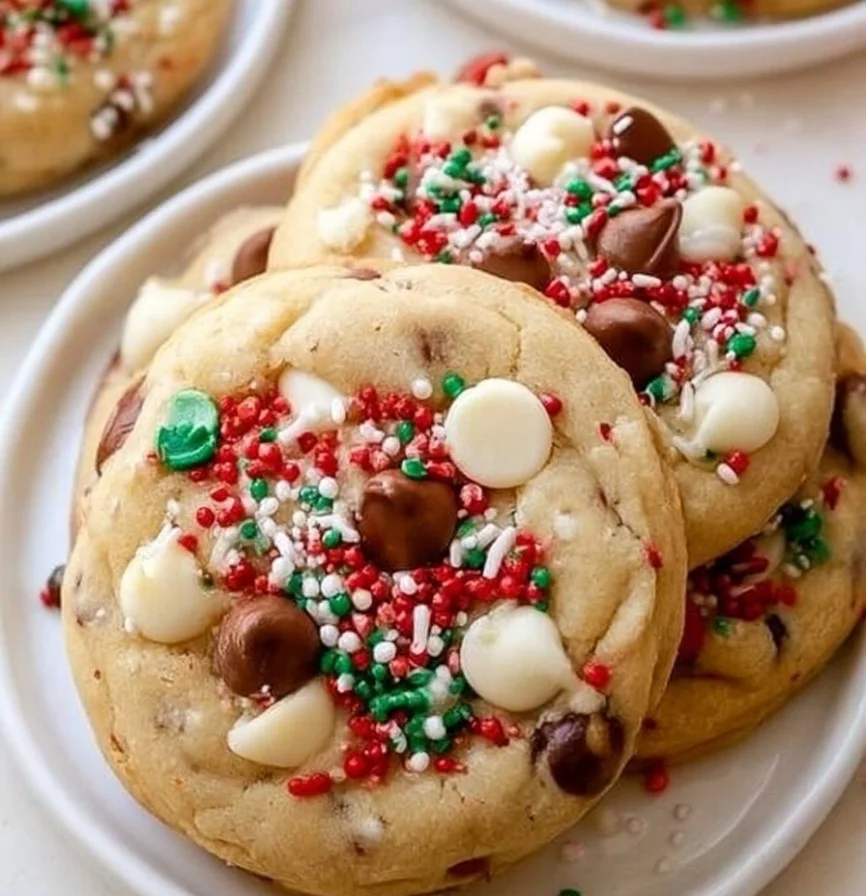
Christmas cokies
The holiday season is synonymous with cozy gatherings, festive decorations, and, of course, an array of delicious treats that create warmth and joy. Among those delights, nothing is quite as enchanting as a plate of freshly baked Christmas cookies. The aroma of cookies baking fills the home with a nostalgic scent that evokes memories of past celebrations, laughter, and love. Each bite offers a delightful balance of crisp texture and rich flavor, making these cookies not just a sweet treat, but a cherished tradition that can bring friends and family together.
Christmas cookies can be a canvas for culinary creativity, allowing the use of various flavors, textures, and decorating styles that cater to every palate. From classic sugar cookies adorned with colorful icing to spiced gingerbread men and whispery delicate snowflakes, these cookies come in all shapes and forms, each with its unique charm. When you present these festive treats, they are visually stunning, drawing everyone to admire the meticulous designs before they indulge in the satisfying crunch and sweetness that follows.
Perfect for holiday gatherings, cookie exchanges, or simply to enjoy with your loved ones, Christmas cookies are more than just desserts; they symbolize togetherness and joy. You can take these cookies to parties, offer them as gifts, or simply enjoy them over a glass of milk by the fireplace. The possibilities are endless! So let’s dive into crafting these delightful treats that encapsulate the spirit of the season.
What Makes This Recipe Special
What sets Christmas cookies apart from other desserts is their incredible versatility and the delightful experiences they evoke. This recipe combines familiar ingredients in a way that highlights traditional flavors while opening up endless possibilities for customization. The combination of butter, sugar, flour, and eggs creates a dough that serves as a base for both soft and crunchy variations. Whether you prefer the texture of chewy cookies or the snap of crispy ones, you can achieve this balance through minor adjustments in baking time and ingredient ratios.
Christmas cookies often showcase a variety of festive flavors, such as peppermint, vanilla, cinnamon, and nutmeg, giving them a special character that resonates with the spirit of the season. What’s even more charming is the decorating aspect—using royal icing, sprinkles, and edible glitter to transform simple cookies into joyful art pieces. These cookies not just taste good but bring a visual delight that enhances the festive atmosphere.
Beyond their taste and appearance, crafting Christmas cookies is a heartfelt experience that invites creativity and fun. It’s a wonderful opportunity for families to come together, to bake, decorate, and share stories, making each batch of cookies a memorable moment. This recipe facilitates an invitation for everyone to get involved, bringing out the inner child as you experiment with various designs and flavors.
Ingredient Overview and Helpful Notes
The primary ingredients for Christmas cookies each play a unique role in creating that beloved flavor and texture. Flour serves as the foundation of the dough, contributing to its structure. It is essential to use all-purpose flour for a balanced mixture that allows cookies to rise properly while maintaining their delightful chewiness. Special attention should be paid when measuring flour—scooping directly from the bag can lead to too much flour, resulting in a dense cookie. Instead, spoon the flour into the measuring cup and level it off for accuracy.
Butter is the heart of these cookies, providing richness and flavor. Using unsalted butter allows you to control the salt content precisely. It’s best to have the butter at room temperature to facilitate smooth mixing with sugar, resulting in a creamy texture that incorporates air for lighter cookies. If you’re in a pinch, you can soften butter in the microwave, but avoid melting it completely to maintain texture.
Sugar not only sweetens your cookies but also influences their color during baking. Granulated sugar creates a crisp texture, while brown sugar adds moisture and a hint of caramel flavor due to its molasses content. For the best results, a combination of both sugars can enhance flavor and provide an ideal texture. Eggs bind everything together and add moisture, with the egg yolk contributing richness while the whites help achieve a good rise.
Lastly, spices and flavorings—such as vanilla extract, almond extract, or cinnamon—elevate the overall taste profile of your cookies. Always opt for high-quality extracts, as they significantly impact the final flavor. The joy of these cookies also comes from the ability to personalize them through variations in flavor or add-ins—like chocolate chips, nuts, or dried fruit—that the family enjoys.
Nutrition & Recipe Details
Nutritional values may vary depending on ingredients, brands, portion sizes, and preparation methods.
| Item | Value |
|---|---|
| Prep time | 30 minutes |
| Cook time | 10-12 minutes |
| Store time | 1 week |
| Calories | 150 per cookie |
| Protein | 2g |
| Carbohydrates | 22g |
| Fat | 7g |
How to Make Christmas cokies
Making Christmas cookies can be a joyous occasion, filled with the allure of delightful aromas and the thrill of festive creativity. To set up for success, gather all your ingredients and tools before beginning the process. This includes measuring cups, a mixing bowl, a baking sheet lined with parchment paper or a silicone baking mat, and cookie cutters if you plan on shaping your cookies. Preheat your oven as a crucial first step to ensure that your cookies bake evenly and to perfection.
Ingredients
| Ingredient | Quantity |
|---|---|
| All-purpose flour | 2 1/4 cups |
| Granulated sugar | 1 cup |
| Brown sugar | 1 cup, packed |
| Baking soda | 1 tsp |
| Salt | 1/2 tsp |
| Unsalted butter | 1 cup, softened |
| Eggs | 2 large |
| Vanilla extract | 2 tsp |
| Almond extract | 1 tsp (optional) |
| Cinnamon (optional) | 1 tsp |
| Chocolate chips or sprinkles (for decoration) | 1 cup (optional) |
With your ingredients gathered, begin by gently whisking together the dry ingredients (flour, baking soda, and salt) in a bowl. This allows for even distribution and incorporates a little air into the mix. Prepare the wet ingredients in a separate bowl by creaming the softened butter with both sugars until the mixture is light and fluffy. Gradually add in the eggs, vanilla, and any additional flavorings, ensuring everything is combined smoothly.
Once combined, gradually add the dry mixture into the wet, mixing until just combined. Overmixing can lead to tougher cookies, so be gentle. If you’re adding chocolate chips or sprinkles, fold them in last. Chill the dough for at least an hour before rolling it out or scooping it, as this helps the cookies hold their shape and enhances their texture during baking.
Step-by-Step Instructions
-
Preheat the Oven: Start by preheating your oven to 350°F (175°C). A preheated oven is essential to ensuring the cookies bake evenly and achieve the right texture.
-
Combine Dry Ingredients: In a medium bowl, whisk together the flour, baking soda, and salt until well blended. This helps to distribute the leavening agent evenly throughout the dough, which is crucial for proper baking.
-
Cream the Butter and Sugars: In a large mixing bowl, combine the softened unsalted butter, granulated sugar, and brown sugar. Use an electric mixer on medium speed to cream them together until the mixture is light and fluffy, usually about 2-3 minutes. This step introduces air, which will help make your cookies lighter.
-
Add Eggs and Flavorings: Crack in the eggs one at a time, mixing well after each addition. Incorporated the vanilla extract and almond extract if you’re using it, stirring to combine everything thoroughly.
-
Combine Wet and Dry Mixtures: Gradually add the dry flour mixture into the wet mixture. Slowly mix until just combined, being careful not to overmix as this can affect the cookies’ texture.
-
Chill the Dough: Wrap the dough in plastic wrap and place it in the refrigerator for at least one hour. Chilling the dough makes it easier to handle and helps to keep the cookies from spreading too much when baking.
-
Scoop and Shape: Once the dough is chilled, scoop out tablespoon-sized portions of dough and place them on a baking sheet lined with parchment paper, leaving space between each cookie to allow for spreading. If desired, you can roll the dough into balls or use cookie cutters to create festive shapes.
-
Bake the Cookies: Place the baking sheet in the preheated oven and bake for 10-12 minutes or until the edges are lightly golden. The centers may appear slightly underbaked; they will set as the cookies cool.
-
Cool Down: Remove the baking sheet from the oven and allow the cookies to cool for about 5 minutes on the sheet before transferring them to a wire rack to cool completely. This prevents overcooking and makes it easier to handle them.
-
Decorate and Serve: Once cooled, decorate your cookies with frosting, sprinkles, or any festive toppings you prefer. These cookies are ready to be displayed or enjoyed immediately.
Understanding the Flavor and Texture
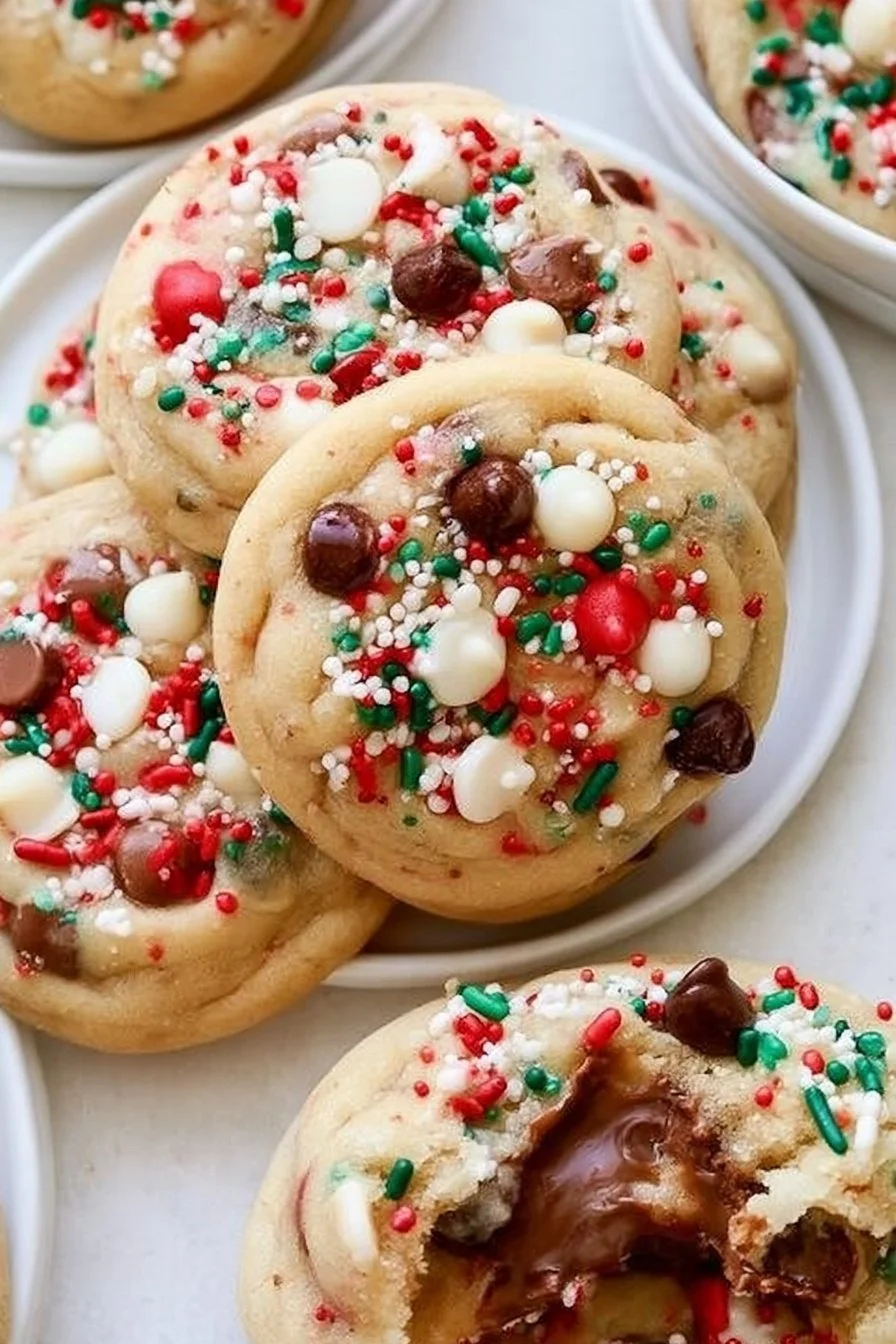
The final product of these delightful Christmas cookies is a perfect nor has a crispy exterior and a soft yet chewy interior. When the cookies are baked to perfection, they develop a lightly golden hue that indicates the sugars have caramelized appropriately, adding a depth of flavor. The butter lends richness, while the combination of sugars ensures a delightful sweetness that doesn’t overwhelm the palate.
The aroma that wafts from the oven is a harmonious blend of vanilla, butter, and warm spices, instantly invoking holiday cheer. A well-baked cookie will have a slightly firm edge, providing that satisfying crunch, while the center remains soft and tender. This balance of textures keeps each bite interesting and enjoyable.
Adding optional ingredients like chocolate chips can introduce additional layers of flavor and texture, with the melty chocolate contrasting beautifully against the cookie base. Meanwhile, spices such as cinnamon or nutmeg can further amplify the holiday spirit, enhancing the overall sensory experience and evoking fond memories of family gatherings.
Pro Tips
A few small techniques can vastly improve your cookie-baking experience and the final results. With careful attention to detail, even beginner bakers can create impressive cookies that are perfect for the holiday season.
| Tip | Description |
|---|---|
| Use Chilled Ingredients | Start with chilled butter and dough if you’re making cut-out cookies, as this prevents spreading and helps retain their shape while baking. It also enhances the crispiness of the edges. |
| Don’t Overmix | Mix your dough just enough to combine the ingredients. Overmixing can lead to tough cookies, as it develops the gluten in the flour. Stop mixing as soon as the flour disappears. |
| Keep Your Oven Accurate | Invest in an oven thermometer. Sometimes, ovens can be mis-calibrated, leading to uneven baking. Having the right temperature is crucial for cookie success. |
| Experiment with Flavors | Don’t be afraid to switch up the extracts and spices based on your preferences. Adding a pinch of ground ginger or cardamom can give your cookies a unique twist! |
Aside from the tips mentioned in the table, consider using fun cookie cutters or decorating techniques to enhance the visual appeal of your cookies. Colorful icing, candy decorations, and festive designs can turn your cookies into beautiful treats perfect for sharing at holiday gatherings. This practice engages children and creates memories that last well beyond the season.
Lastly, always ensure that your butter is softened accurately before mixing, as this significantly impacts the final texture of your cookies. If butter isn’t soft enough, you will have trouble achieving a creamy consistency when creaming it with the sugars.
Why You’ll Love This Recipe
The appeal of baking Christmas cookies lies not only in their delightful taste but also in the experience of creating them. This recipe encapsulates a blend of favorite flavors, easy preparation, and the freedom to customize, making it suitable for both novice and seasoned bakers. The fact that the recipe allows for personal touches means that each batch can be as unique as the baker.
Moreover, the ingredient list is composed mostly of pantry staples, ensuring accessibility for most home cooks. This makes it easy to whip up a batch on a weekend or during the holidays, perfect for spontaneous get-togethers or family gatherings. The dough can be prepared in advance and chilled for flexibility, allowing for just-in-time baking without hassle.
The sentimental value of these cookies, wrapped in colorful tins or served on a festive platter, enhances their profit as a gift. Sharing homemade cookies becomes a way to connect with others during the holiday season, spreading joy and warmth. Whether you’re sharing cookies with friends, family, or neighbors, it’s an endearing gift that anyone can appreciate.
How to Serve Christmas cokies
Presenting your Christmas cookies beautifully can enhance the joy of sharing and indulging in them. Arrange them on a decorative plate with a festive tablecloth, including seasonal garnishments like pine branches, stars, or ornaments to spruce up the look. Consider using tiered cake stands for an elegant display, showcasing a variety of cookie shapes and sizes, which will surely draw attention.
Accompany the cookies with complementary options such as a pitcher of milk, a steaming cup of hot cocoa, or perhaps a warm spiced cider. These beverages beautifully juxtapose the rich sweetness of the cookies and encourage everyone to take a moment and enjoy the flavors together. You might even consider providing an array of toppings or dips, like melted chocolate or vanilla icing for additional fun.
Also, think about using themed cookie boxes or containers adorned with ribbons for gifting. When cookies are presented thoughtfully, they become more than just treats; they become heartfelt gifts shared during the cherished holiday season. This personal touch goes a long way in conveying affection and goodwill to those receiving them.
Lastly, consider how to portion your cookies for different gatherings. For larger gatherings, a buffet-style presentation encourages guests to choose their favorites, while small, pre-packaged portions create a sense of thoughtfulness for gift-giving during exchanges.
How to Store Christmas cokies
Proper storage is essential to keep your Christmas cookies fresh and delicious. After baking, allow the cookies to cool completely at room temperature on a wire rack. Once they are fully cooled, it’s important to store them in airtight containers to maintain their moisture and prevent them from becoming stale. A ziplock bag or a Tupperware container lined with parchment paper can work well for this.
Typically, most types of cookies can be stored at room temperature in an airtight container for up to a week without significant loss of quality. If you expect to keep the cookies for longer, consider freezing them. Cookies freeze exceptionally well; you can freeze them either baked or unbaked. If freezing baked cookies, place them in a single layer on a baking sheet until they are hardened, then transfer them to zip-lock bags or air-tight containers, separating layers with parchment paper to prevent sticking.
When storing unbaked cookie dough, scoop it into balls and freeze them on the sheet. Once they are well-frozen, transfer them to a freezer-safe bag. This method allows for quick baking of fresh cookies as needed; just add a couple of minutes to the baking time.
It’s important to note that some cookies, such as those featuring cream cheese frosting or filled with custard, typically require refrigeration for safety reasons. Always check for each cookie’s specific storage requirements to ensure they maintain their quality and remind everyone about the best time to enjoy them!
Tips to Make Christmas cokies
If you’re looking to elevate your cookie-making skills, here are some practical tips to consider while preparing your Christmas cookies.
Firstly, don’t rush through the creaming process of butter and sugar, as this step introduces air into the mixture that will help provide a lighter texture. Aim for a light, fluffy consistency that blends well with the eggs and flour, ensuring you create a delicate balance in the final product.
Secondly, ensure your oven is preheated correctly. An oven thermometer can be beneficial here, as many household ovens can misreport the actual temperature. This detail is crucial, as cookies that bake at too high or too low a temperature can result in undesirable textures.
Another essential tip is how you scoop your dough. Using a cookie scoop can help ensure uniform size, which leads to even baking. If you prefer varying sizes, be consistent within each batch to account for differences in baking time.
Finally, let your cookies cool on the baking sheet for a few minutes before transferring them to a cooling rack. This step is key to allowing them to firm up slightly and prevents breakage while moving them. Warm cookies tend to break easily, whereas cooled cookies maintain their shape more effectively.
Variations and Substitutions
While the classic recipe is delicious as is, there are plenty of ways to customize your Christmas cookies according to your tastes and dietary preferences.
For a gluten-free version, you can substitute regular all-purpose flour with a gluten-free flour blend. Just ensure you choose one that contains a balancing agent, as this will help mimic the structure typically provided by gluten.
In terms of flavor variations, you can experiment with different extracts. For instance, using peppermint extract for a refreshing twist or orange zest for a citrusy holiday hint can transform the basic cookie flavor into something special.
If you’re aiming for a dairy-free option, consider using solid coconut oil in place of butter. This substitution will impart a lovely flavor to the cookies and can create a different texture, slightly denser but still delicious.
For more adventurous bakers, consider adding spices like ginger, cardamom, or cloves to the dough for an aromatic boost. Incorporating nuts or dried fruit add both texture and flavor that transform the cookies into a more nutritious treat.
Storage and Reheating
When it comes to leftovers, proper storage is crucial for maintaining the quality of your cookies. Once they have cooled completely, store them in an airtight container to keep them soft. It’s best to use wax paper or parchment to separate layers if you are stacking cookies, preventing them from sticking together.
If you find you have a large quantity leftover, consider freezing them. Most cookies freeze well for 2-3 months, retained within an airtight container or a ziplock bag. To reheat, place them in an oven preheated to 350°F (175°C) for about 5-7 minutes. This will help to revive their freshly baked texture and warmth without drying them out.
For specific cookies that have icing or frosting, it’s advisable to freeze them without decorations unless the toppings are freeze-safe. Frośted cookies can be stored separately in the refrigerator, making them necessary for a more contemporary look.
When reheating, avoid using the microwave as it can create an uneven texture and excessive moisture, leading to soggy cookies. Stick with the oven method for the best results!
Customization Ideas
The beauty of baking Christmas cookies lies in their versatility, allowing you to modify flavors and presentations to suit your desires. Start by altering the spices in the dough; for example, you might replace cinnamon with nutmeg for a different seasonal flavor profile, or add a pinch of cayenne pepper for a touch of heat.
Adding toppings or mix-ins further personalizes your cookies. Dark chocolate chips, white chocolate chunks, or colorful sprinkles enhance both texture and visual appeal. For a seasonal touch, consider including crushed candy canes or festive nuts like walnuts or pecans.
Incorporating stuffing or filling options also offers exciting choices. You can envelop chocolate or nut butter within the dough for a surprise center when bitten into, or inject filling after baking. Consider seasonal flavors like pumpkin spice or eggnog scents for various occasions.
Lastly, playing with icing can create a visually stunning array of cookies. Try royal icing, fondant decorations, or colored melts to craft intricate designs. Not only does this allow you to impose creativity on each cookie, but it also transforms them into lovely gifts or festive treats for gatherings.
Common Mistakes to Avoid
Baking cookies may seem straightforward, but there are common mistakes that can undermine your efforts. Here are five to avoid:
-
Overmixing the Dough: Overmixing can lead to tough cookies due to excess gluten formation. Mix just until the ingredients are combined.
-
Incorrect Oven Temperature: Not preheating the oven or using an inaccurate oven temperature can lead to uneven baking or undesirable textures. Invest in a good thermometer to check your oven’s accuracy.
-
Skipping the Chilling Step: Neglecting to chill the dough can result in cookies that spread too much during baking. Chilling helps maintain their shape and improve texture.
-
Baking Too Many Cookies at Once: Overcrowding the baking sheet can lead to uneven baking. Space them appropriately, allowing for spreading.
-
Not Planning for Cooling: Moving cookies too early can cause breakage. Let them sit on the baking tray briefly before transferring to a cooling rack for a complete cool down.
Serving Occasions
Christmas cookies are perfect for a multitude of occasions throughout the holiday season. They shine particularly at festive gatherings, holiday parties, or cookie exchanges, where trays of beautifully decorated cookies can appeal to small and large crowds alike. Their vibrant colors and Christmas spirit make them a centerpiece at any celebration.
They also make excellent gifts during this time of year, whether presented in decorative boxes or layered in glass jars. Homemade baked goods convey thoughtfulness and care, and cookies can bring joy to neighbors, friends, and family, promoting social connections during the festive season.
On a quieter note, enjoying these treats with family at home also adds warmth to the winter days. They can accompany cozy nights spent by the fire, providing a sweet indulgence that complements family traditions. Whether you’re crafting memories or sharing delightful treats, Christmas cookies embody a spirit of joy during this special time.
Why Make This Recipe?
Making Christmas cookies from scratch is more than just cooking; it’s an experience that beckons creativity and tradition. This particular recipe stands out because of its straightforward ingredients and flexibility, which allows anyone—from novice bakers to those seasoned in the kitchen—to succeed. The personalization involved through various mix-ins, flavor changes, and decorations makes it engaging and fun to prepare.
Furthermore, the ease with which they come together facilitates spontaneous baking; whether for a holiday gathering or as a gift, the cookies can be prepped and baked in no time. Their universal appeal means they cater to a wide audience, making them a guaranteed hit at any celebration.
In addition to flavor and texture, these cookies offer a joyful way to connect and share love during the festive season, creating lasting memories that surpass the holiday itself. The warmth and laughter shared over cookie decorating become cherished moments treasured long after the leftovers are gone.
Make-Ahead Preparation
For busy holiday schedules, make-ahead preparation of your cookies can greatly simplify the baking process. You can begin by preparing the dough in advance; after mixing the ingredients, wrap the dough tightly in plastic wrap and refrigerate it until you’re ready to bake. The dough can be stored in the refrigerator for up to three days or in the freezer for several months.
When frozen, you can scoop dough into individual portions and arrange them on a baking tray to flash freeze before placing them in a ziplock bag for longer storage. This way, you can bake fresh cookies whenever you’re struck by a craving, with very minimal effort.
For cookie shapes that require intricate decoration, consider creating them ahead of time and storing them uniced. This allows you to focus solely on the fun part—decorating—later on. Icing can also be prepared in advance and stored in an airtight container, allowing you to assemble your cookies closer to when you plan to serve them.
Planning ahead not only makes your life easier but also allows you to enjoy baking without the stress.
Equipment and Kitchen Preparation
When preparing to bake Christmas cookies, having the right tools and equipment can streamline the process and elevate your baking experience. Essential items include mixing bowls, measuring cups, and spoons for precise measurements. A reliable mixer (stand or hand) works best for creaming butter and sugar, ensuring a well-mixed and fluffy texture.
A baking sheet lined with parchment paper or silicone mats offers nonstick surfaces for easy cookie release. Cookie cutters in various shapes can elevate the holiday spirit, while cooling racks allow the cookies to cool evenly, preventing sogginess.
Additionally, space management in your kitchen is vital. Organize your workspace by grouping similar items together, such as ingredients, utensils, and baking sheets. Have a designated area for mixing and another for decorating. Preparing your kitchen before starting saves time, enhancing your overall baking experience.
FAQs
1. Can I use a different type of flour?
Yes, you can substitute with whole wheat flour or a gluten-free blend, but note that this may impact the texture and flavor. Adjustments in liquids may also be necessary for best results.
2. How long do Christmas cookies last?
When stored in an airtight container at room temperature, the cookies can last for up to a week. For longer storage, consider freezing them.
3. Can I freeze the cookie dough?
Absolutely! You can freeze cookie dough for up to three months. Scoop individual portions, freeze them on a baking sheet, and then store them in an airtight ziplock bag.
4. How do I know when they are done baking?
Watch for a light golden color on the edges and a slightly soft center. Cookies will continue to firm up as they cool.
5. What can I add to the dough?
You can incorporate mix-ins like chocolate chips, dried fruit, nuts, or spices to customize your cookies further.
6. Can I make these cookies vegan?
Yes, you can! Substitute the butter with vegan butter or coconut oil and replace the eggs with flaxseed meal or unsweetened applesauce to maintain moisture and binding.
7. Is it necessary to chill the dough?
Chilling is recommended, especially for cut-out cookies, to help maintain their shape and texture while baking.
8. How can I store decorated cookies?
Store them in an airtight container at room temperature. Ensure that the icing has fully set before stacking, using wax paper to separate layers if necessary.
Disclaimer
Nutritional information is approximate and may vary based on ingredient brands, substitutions, portion sizes, and preparation methods.