
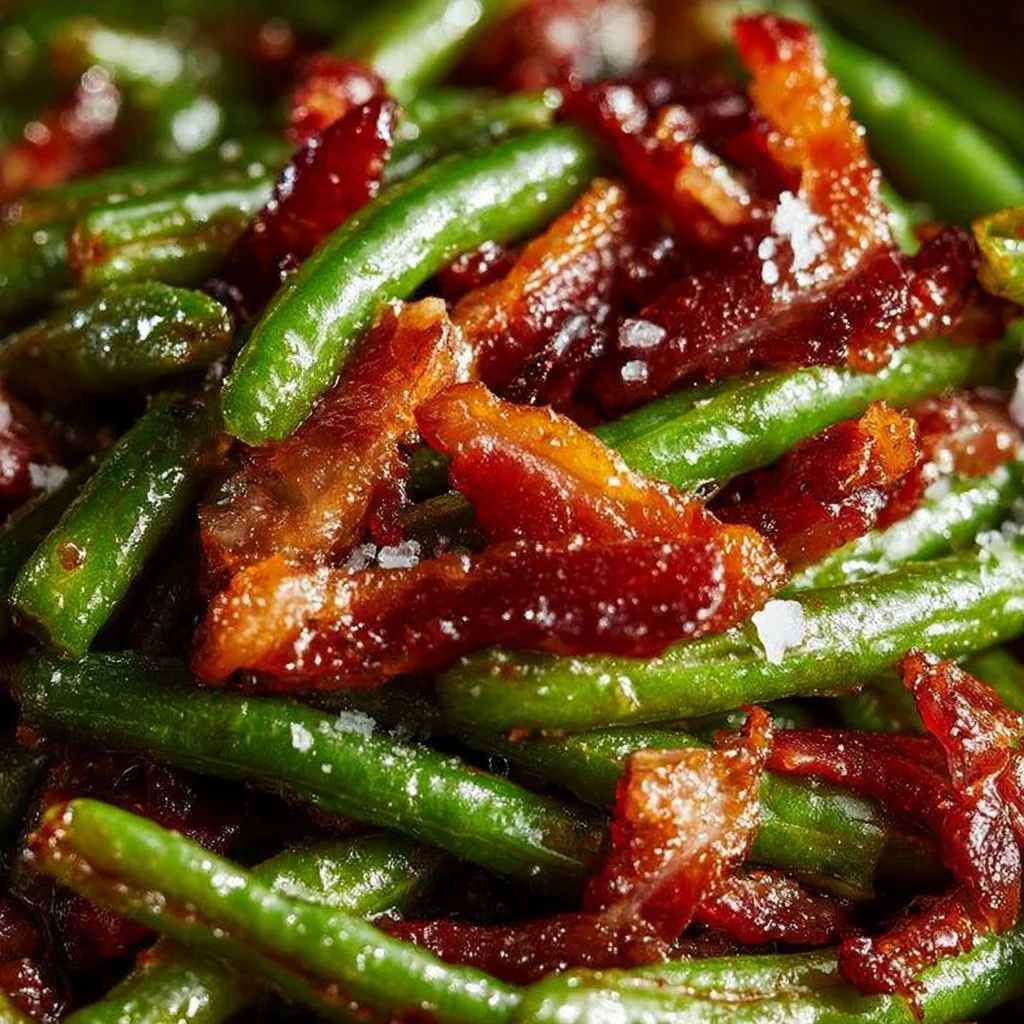
Green Beans
Green beans are a versatile and beloved vegetable, recognized for their vibrant color, crisp texture, and subtle flavor. When cooked properly, they maintain a delightful snap and a bright green hue, making them an appealing side dish to elevate any meal. Their fresh, earthy taste pairs well with a variety of seasonings and ingredients, such as garlic, olive oil, and Parmesan cheese, creating a dish that is both simple and satisfying. The final presentation invites diners to enjoy their beauty: glossy green beans scattered with flecks of garlic and specks of cheese, enticing anyone to take a forkful.
This particular recipe for roasted green beans features a harmonious blend of flavors and textures. The beans are tossed in olive oil and seasoning, enhancing their natural taste while allowing them to caramelize slightly in the oven. The rich, savory quality of roasted garlic complements the green beans, while the Parmesan adds a creamy, salty element. With a dash of lemon juice at the end, the dish is brightened and elevated from ordinary to extraordinary.
Perfect for any occasion, roasted green beans shine at family dinners, holiday gatherings, and casual lunches alike. Whether served alongside grilled chicken, steak, or a hearty pasta dish, they can easily complement a varied range of entrees. This recipe is not only delicious but also quick, requiring minimal prep and cook time—ideal for busy weeknights or last-minute entertaining.
By choosing to make roasted green beans, home cooks can simplify their meal preparation while enhancing their dining experience. Read on to explore what makes this dish special, the essential ingredients you’ll need, and step-by-step instructions for creating this delectable side dish.
What Makes This Recipe Special
This roasted green beans recipe stands out due to its simplicity and the way that it highlights the natural flavors of the beans. This method of cooking allows the green beans to achieve a perfect balance of tenderness and crispness. The roasting process intensifies the vegetables’ flavors, creating distinct notes that would not be as pronounced with boiling or steaming. This method also enhances their nutrient retention, making them a healthful addition to any meal.
In a world where green beans can often be overshadowed by more elaborate dishes, this recipe puts them back in the spotlight. Unlike canned or frozen alternatives that can taste mushy and lack vibrancy, fresh green beans offer a satisfying crunch that can elevate any dining experience. The combination of garlic and Parmesan provides an aromatic element that enhances the richness of the dish.
Furthermore, this recipe’s versatility allows you to effortlessly adapt it to suit various occasions. It can work beautifully on the plate for a fancy dinner party or act as a quick side for a family meal on a Wednesday night. Roasting not only allows for a more engaging flavor profile but also lends itself well to be served warm or at room temperature, making it an excellent dish for potlucks or gatherings.
The thoughtful addition of lemon juice right before serving provides an unexpected brightness that complements the depth of the roasted garlic and cheese. It is precisely these thoughtful touches that make this roasted green beans recipe not just a side dish, but a standout component of your meal.
Ingredient Overview and Helpful Notes
To make the best roasted green beans, understanding each ingredient’s role is crucial. The primary ingredient, green beans, provides the foundation of the dish. When selecting green beans, look for vibrant, firm pods that snap when bent. Avoid beans that appear dull or have brown spots, as they may be past their prime. Freshness directly influences the final taste and texture, so sourcing high-quality green beans is immensely important.
Olive oil plays a vital role in the roasting process. It helps to coat the green beans evenly, allowing for better heat conduction while providing a luscious mouthfeel. Additionally, the olive oil facilitates browning, leading to a deeper flavor profile. Extra-virgin olive oil is recommended due to its nuanced flavors, which can enhance the overall dish.
Garlic is another key ingredient; its pungent aroma infuses the dish with a savory depth. Opt for fresh cloves over pre-minced garlic for a more robust flavor. When minced, garlic caramelizes during roasting, creating a nutty sweetness that beautifully complements the green beans. For those seeking a milder garlic flavor, consider roasting the cloves whole before slicing them into the dish.
Seasonings, such as salt, black pepper, and red pepper flakes, balance the flavors and add a hint of complexity. Salt enhances the natural sweetness of the beans, while black pepper provides a subtle kick. The red pepper flakes introduce a touch of heat, which you can easily adjust to your personal taste.
Lastly, Parmesan cheese adds a finishing touch that brings richness and creaminess to the dish. When sourcing Parmesan, opt for a block to grate fresh rather than pre-grated cheese; this ensures a more vibrant flavor and better melting qualities. With each ingredient thoughtfully chosen, the outcome will be a delicious dish that is both healthy and visually appealing.
Nutrition & Recipe Details
Nutritional values may vary slightly based on the specific ingredients and brands used. It’s essential to consider portion sizes and preparation methods as factors that influence these values.
| Item | Value |
|---|---|
| Prep time | 10 minutes |
| Cook time | 15-20 minutes |
| Store time | 3-5 days in the refrigerator |
| Calories | 120 per serving |
| Protein | 4g per serving |
| Carbohydrates | 10g per serving |
| Fat | 7g per serving |
How to Make Green Beans
Preparing roasted green beans is a straightforward process that will delight both novice and experienced cooks alike. To start, gather all your ingredients and ensure with a clean work surface and the right tools nearby. A baking sheet lined with parchment paper or a non-stick cooking spray will help ensure easy cleanup and prevent the beans from sticking.
Preheating your oven to 400°F (200°C) ensures that the beans roast evenly and reach the perfect tenderness. In the meantime, prepare your green beans by rinsing them under cold water. This step removes any dirt or residues, making for fresher and safer eating. After rinsing, trim the ends of the beans, as this step helps achieve a more polished presentation and bite.
Having organized your space and prepped your ingredients will streamline the cooking experience. This simple preparation yields a delicious and visually appealing dish that pairs beautifully with many mains.
Ingredients
| Ingredient | Quantity |
|---|---|
| Fresh green beans | 1 pound |
| Olive oil | 2 tablespoons |
| Garlic, minced | 2 cloves |
| Salt | 1 teaspoon |
| Black pepper | 1/2 teaspoon |
| Red pepper flakes | 1/4 teaspoon |
| Grated Parmesan cheese | 1/4 cup |
| Lemon juice | 1 tablespoon |
Before you begin, make sure to gather everything you’ll need to streamline the cooking process. With the beans rinsed and trimmed, you can proceed to mix them with olive oil, garlic, salt, black pepper, and red pepper flakes for an exciting flavor boost. This combination will allow you to toss the beans thoroughly and ensure each is well coated.
Step-by-Step Instructions
-
Preheat the oven: Start your preparation by heating your oven to 400°F (200°C). A preheated oven will ensure that the green beans roast properly, achieving that desired tenderness and slight caramelization.
-
Prepare the green beans: Carefully trim the ends off the green beans, removing any tough or fibrous parts. This simple task helps the beans cook evenly and makes them easier to eat.
-
Arrange on a baking sheet: Spread the trimmed green beans in a single layer on a baking sheet. Try to avoid overcrowding, as this will lead to steaming instead of roasting, which defeats the purpose of aiming for crispiness.
-
Season the beans: Drizzle the green beans with the olive oil, then sprinkle the minced garlic, salt, black pepper, and red pepper flakes over top. Using your hands or a spatula, toss the beans to coat them evenly with the oil and seasonings.
-
Roast in the oven: Place the baking sheet in the preheated oven. Roast the beans for about 15-20 minutes, or until they are tender yet slightly crisp, depending on your preference. You can stir them halfway to promote even cooking.
-
Final touches before serving: Once the green beans are roasted, remove them from the oven and sprinkle with grated Parmesan cheese and drizzle with lemon juice. The heat will help melt the cheese slightly, adding flavor and richness to the dish.
-
Serving the dish: Serve your roasted green beans warm, and enjoy the vibrant flavors and delightful textures!
Understanding the Flavor and Texture
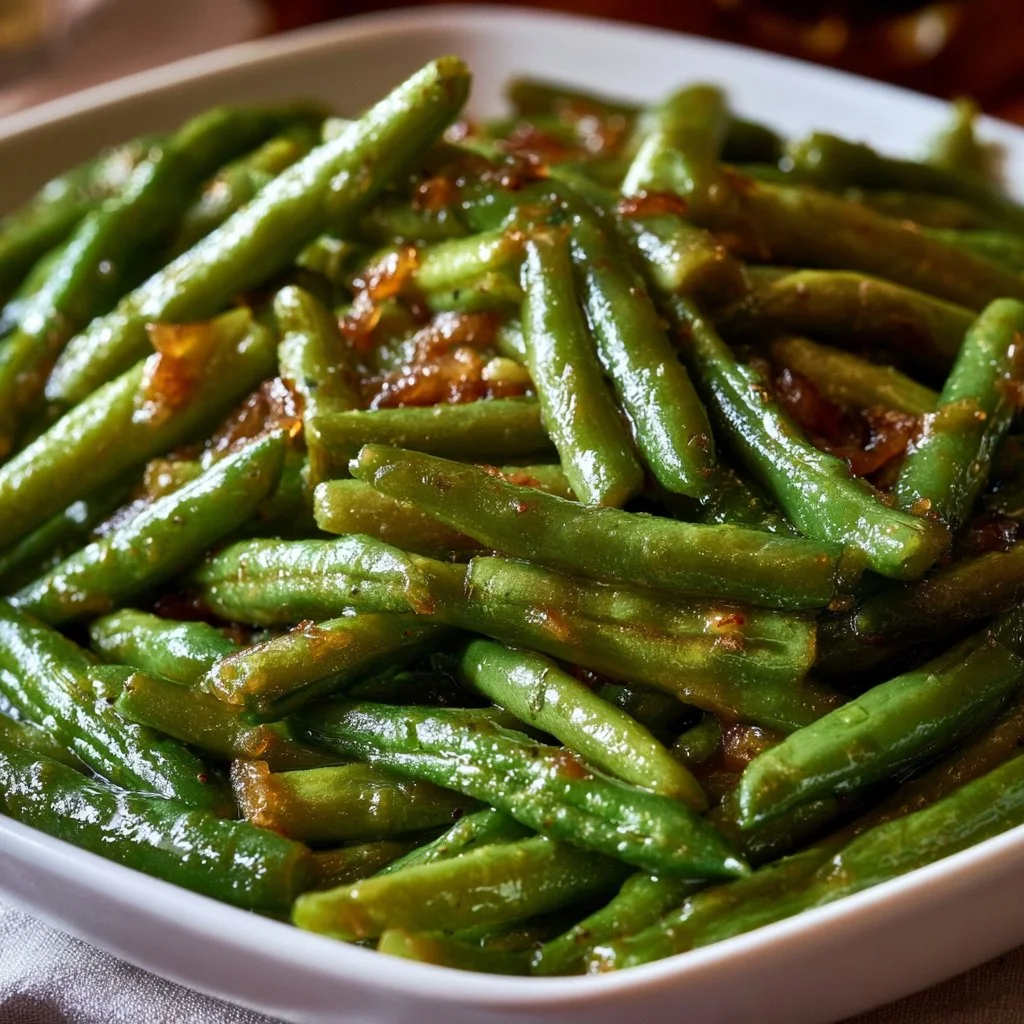
The finished dish of roasted green beans provides a delightful experience, combining the fresh, vibrant flavor of the beans with rich, savory notes from the garlic and Parmesan. The roasting process intensifies the natural sweetness of the green beans, transforming their raw crispness into a tender yet still dynamic bite. This method achieves lightly charred edges that contrast beautifully against the creamy, salty cheese.
The aroma that wafts through the kitchen as they roast fills the air with a tantalizing scent that invites everyone to the table. The green beans take on a lovely glossiness from the olive oil and the gelatinous qualities released from the melting cheese. The red pepper flakes offer a mild kick, enlivening the dish without overpowering the original flavors.
When served, the beans should be vibrant green with flecks of golden garlic and melted cheese, evoking a visual feast that is appealing and appetizing. The final touch of lemon juice brightens the dish, adding a fresh contrast to the richness of the Parmesan and the savory garlic notes. A successful plate will look inviting, and the beans should have a balanced texture—a tender interior and slightly crispy exterior that catches the light and tempts the palate.
Pro Tips
A few small techniques can significantly enhance the result of your roasted green beans. When executed correctly, these tips allow for an improved texture, flavor, or presentation.
| Tip | Description |
|---|---|
| Use fresh beans | For the best flavor and texture, always choose fresh green beans over frozen or canned. Their natural crispness and brightness will shine through in the final dish. |
| Don’t overcrowd the baking sheet | Arrange the beans in a single layer on the sheet to ensure even roasting. When overcrowded, the beans will steam rather than roast, leading to a soft texture. |
| Toss halfway through roasting | Turning the green beans halfway ensures that they cook evenly and get that nice caramelization on all sides. |
| Freshly grate the cheese | Using freshly grated Parmesan will improve the meltability and flavor in contrast to pre-packaged options, adding a fresher taste to the dish. |
To further enhance your green beans, consider adding them to a food processor briefly, along with some herbs or nuts, for a new dimension. Nut toppings like toasted almonds or walnuts can add a delightful crunch and an extra layer of flavor. You can also try mixture variants such as topping them with a squeeze of fresh lemon zest for added brightness without the acidity of lemon juice during actual roasting.
Why You’ll Love This Recipe
There’s much to appreciate about this roasted green beans recipe. The robust flavors, combined with the appealing texture, transform these beans into a dish that stands out on any table. Preparing them is quick and uncomplicated, making this a go-to side dish option for practically any meal or occasion.
Using readily available ingredients ensures that this recipe is accessible for everyday home cooks and can easily fit into typical shopping lists. There’s something wonderfully satisfying about roasted green beans that feel nutritious and delicious without requiring excessive effort or time.
Not only does this dish deliver on flavor, but it also pairs well with numerous main dishes, creating a versatile option that is easily tailored to your next meal. From family dinners to holiday feasts, roasted green beans can adapt alongside various culinary themes with effortless elegance. Their adaptability makes them a reliable choice for any cook, promising delightful results each time.
How to Serve Green Beans
Once your roasted green beans are beautifully transformed and ready to go, presenting them well can enhance the dining experience. Start by serving them hot, straight from the oven, to preserve their warmth and enticing aroma. A simple serving bowl or decorative platter fits the bill, as vibrant colors contrast against the simple vessel.
These green beans pair exquisitely with proteins such as grilled chicken, roasted turkey, or fish, creating a beautifully balanced plate. For a vegetarian meal, consider serving them with quinoa or brown rice, adding some grains or legumes to increase the nutritional value of the meal. They also work deliciously with other roasted vegetables, providing a lovely mix of flavors and textures.
When looking to add some complementary flavors, consider serving the beans alongside a citrus or herb-based sauce. A homemade pesto or a light vinaigrette can bring even more vibrancy to a dish, while lemon wedges can accompany them to heighten their zesty brightness further.
Garnishing with fresh herbs, such as parsley or basil, offers an attractive touch that ties the meal together. Finally, don’t forget to consider the beverage pairing; a refreshing iced tea or sparkling water can elevate the experience, balancing the rich flavors present in the dish.
How to Store Green Beans
Storing leftover roasted green beans correctly is essential to maintaining their flavor and texture. To do this, allow the beans to cool down after cooking before transferring them into an airtight container. This method will help preserve the taste and integrity of the beans while minimizing moisture build-up, which could lead to sogginess.
For fresh storage, place your airtight container in the refrigerator. Properly stored, your roasted green beans will last for about three to five days. Keep in mind that as days pass, the textural quality of the beans may diminish—the longer they sit, the more they lose their crispness.
Freezing your roasted green beans is also an option if you wish to prolong their life. To ensure the best preservation, portion them into freezer-safe bags or containers, removing as much air as possible before sealing. However, note that the texture may change upon thawing and reheating; the beans may become softer than their freshly roasted state.
Always discard any green beans that show signs of spoilage, such as a sour odor, discoloration, or an unusual texture. Proper storage techniques will help you enjoy the wonderful flavors of your roasted green beans for days to come.
Tips to Make Green Beans
Improving your roasted green beans results can fall down to a few critical techniques that enhance quality and consistency. One of the most significant factors is heat management; ensuring your oven is at the correct temperature can change the end result of the dish. Roasting at 400°F allows the beans to caramelize well, creating that inviting aroma while promoting even cooking without burning.
Seasoning is another essential tip—it’s important to strike the right balance. Adding salt before roasting ensures the flavors fully penetrate the beans while they cook. Be cautious with salt, particularly if you’re planning to use a salty cheese like Parmesan; it’s better to err on the side of less and adjust later when necessary.
Pay close attention to the texture cues as the beans roast. A successful batch of green beans will have a tender but still slightly firm center. It may be helpful to sample them towards the end of the cook time so you can ascertain both the taste and texture you prefer.
Finally, when incorporating garlic, consider timing. Adding minced garlic too early can lead to burnt bits in the dish, which detracts from the final flavor. Instead, sprinkle garlic halfway through the roasting for optimal caramelization without bitterness, thus enhancing the dish’s overall profile.
Variations and Substitutions
While the original roasted green beans recipe is already delightful, several variations and substitutions can cater to different dietary preferences or elevate the flavor experience. For a dairy-free or vegan dish, you can omit the Parmesan cheese entirely and instead use nutritional yeast for a cheesy flavor without animal products. This option offers a nutty taste that mimics cheese, providing a satisfying experience for those avoiding dairy.
If you’re looking for a spicier kick, increase the amount of red pepper flakes or incorporate a dash of cayenne pepper. This alteration will ignite the flavor profile, making it an excellent complement to heartier main dishes.
To create a Mediterranean-inspired version, consider tossing the green beans with lemon zest combined with olives and kalamata oil before roasting. This option delivers added depth to the dish and provides an incredible flavor burst that can accompany various proteins.
For a nutty texture, add slivered almonds or chopped walnuts during the last few minutes of roasting. Toasting them in the oven will enhance their flavor while offering an exciting texture contrast against the finished beans.
Don’t hesitate to experiment with herbs, too! Fresh thyme, rosemary, or even a touch of dill can impart magnificent scents and flavors that will elevate the dish. Finally, if you’re looking for a touch of sweetness, consider drizzling some balsamic glaze on the green beans just before serving to add a deliciously tangy-sweet note that complements any savory flavor.
Storage and Reheating
When storing leftover roasted green beans, portioning them out can simplify reheating and meal planning. Use airtight containers to keep portions manageable—this practice allows you to enjoy them over a few days without excessive waste. Cooling down the beans first is crucial, as excess moisture can lead to sogginess during storage.
To reheat, the microwave is an efficient method that provides quick results. Place the beans in a microwave-safe dish, covering it loosely, and heat on medium power until they are warmed through. For an enhanced texture, consider roasting them again in the oven at a lower temperature. This reheating technique can help revive any crispy edges, making for a more enjoyable eating experience.
If using an oven to reheat, preheat it to 350°F (175°C). Spread the green beans in a single layer on a baking sheet and roast for about 10 minutes or until heated through. This technique preserves their original texture and flavor, avoiding the mushiness sometimes associated with microwaving.
Be mindful that reheating can simply bring back warmth without returning their freshly roasted snap; thus, enjoying them right after cooking is the most delightful option. Each reheating method varies based on preference and available time, so choose one that best fits your schedule when enjoying your leftovers.
Customization Ideas
Customization is an integral part of making any recipe unique to your preferences, and roasted green beans are no exception. One way to switch things up is to play with the seasoning. A touch of garlic powder or onion powder mixed in can add depth without overlapping flavors. Lemon-infused olive oil could also bring a new assertiveness to the dish, highlighting citrus instead of the direct acidity of lemon juice.
Another customization idea involves the addition of different herbs. Mixing in finely chopped fresh herbs such as parsley, chives, or tarragon can elevate the roasted beans with their unique fragrances and tastes. These variations can also help with visual presentation, garnishing your dish appealingly.
Consider experimenting with different cheese types, too. Pecorino Romano could provide a sharper tang, while crumbled feta can add a briny touch that alters the consistency and flavor noticeably. If you’re feeling adventurous, a sprinkle of goat cheese could provide creaminess that contrasts real well with the beans’ textures.
Figuring out your preferred texture could also lead to variations. If you like an extra crunch, try blanching the green beans before roasting. Blanching helps soften the beans slightly while maintaining their bright green color, which can create a crispier finish in the oven. Various options provide flexibility to shape this dish to your liking.
Common Mistakes to Avoid
When preparing roasted green beans, even slight adjustments can make or break the final dish. Here are some common mistakes to avoid:
-
Overcrowding the baking sheet: When too many green beans overlap on the sheet, they risk steaming rather than roasting. This results in a lack of crispness and flavor. Always ensure there’s enough space between each bean.
-
Using old or wilted beans: Fresh ingredients are crucial for a successful dish. Old green beans can be rubbery and tough. Opt for vibrant, crisp beans to achieve a dish with appealing texture.
-
Mistiming the garlic: Adding garlic at the beginning can cause it to burn quickly in the oven, leading to a bitter flavor. To avoid this, either add minced garlic halfway through roasting or toss whole cloves with the beans to roast until tender and fragrant.
-
Skipping preheating: Beginning to roast before the oven is ready can affect cooking times and the final outcome. Always preheat to ensure even cooking and ideal caramelization.
-
Neglecting the seasoning: Not seasoning your green beans properly can lead to a bland dish. Be generous with salt and other spices; they enhance the natural flavors and create a more rewarding eating experience.
Avoiding these common mistakes will ensure that your roasted green beans are beautifully roasted, flavorful, and a delightful addition to any meal.
Serving Occasions
Roasted green beans are suitable for a wide variety of occasions, making them a go-to side dish. They shine at family gatherings, providing an excellent complement to a holiday spread or a simply grilled main course. The celebratory nature of this dish, with its vibrant green color and alluring aroma, makes it ideal for special occasions like Thanksgiving or festive dinner parties.
Moreover, they serve well during casual weeknight meals when cooking may need to be efficient. Their quick preparation and easy cleanup make them an appealing choice when time is of the essence. This versatility allows you to leave behind the stress of meal planning while still enjoying a wonderfully flavorful dish.
For potlucks or gatherings, roasted green beans are an exceptional choice, as they can be served warm OR at room temperature without losing their charm. The dish also pairs wonderfully with various cuisines, whether you are going for a barbecue or a Mediterranean-inspired feast.
In essence, any time you desire a side that delivers on flavor, nutrition, and visual appeal, roasted green beans should be at the top of your list. Their adaptability can work in many situations, and they promise to please diverse palates with ease.
Why Make This Recipe?
With multiple side dishes available, this roasted green beans recipe distinguishes itself through flavor complexity, simplicity, and visual appeal. The combination of roasting and well-chosen seasonings highlights the beans’ natural sweetness while ensuring a nutritious side for any meal.
Furthermore, the ease of preparation will typically resonate with both beginner cooks and seasoned chefs, promising outstanding results in under 30 minutes. Unlike tedious side dishes requiring intricate steps or monitoring, this option offers a straightforward and rewarding cooking experience.
This recipe also boasts versatility, making it easy to adapt for various dietary requirements without sacrificing flavor. Its ability to transform based on seasonal herbs, spices, or additional toppings allows you to experiment while keeping the base recipe intact.
With immediate accessibility in mind, roasted green beans cater to everyday cooking and special occasions, making them a candidate to remain a regular part of your culinary rotation. Not only do they deliver on taste and texture, but they also make preparation possible even during the busiest of schedules.
Make-Ahead Preparation
Several components of this roasted green beans recipe can be prepared ahead of time, allowing you to enjoy a more seamless cooking experience on busy days. The most significant step is to wash and trim the fresh green beans. You could store them unwashed and unopened in a sealed container in the refrigerator for a day or two before cooking.
Another make-ahead option is to prepare the garlic by mincing it a day in advance. Storing minced garlic in an airtight container in the refrigerator can save time during the cooking process.
If looking to make even further ahead, consider tossing your ingredients together—beans, oil, and seasonings—in a bowl and storing them together in the fridge for a few hours or overnight. This technique allows the green beans to marinate and absorb flavors before roasting.
For best results, avoid preparing the entire dish and storing it before roasting if you want to retain the desired texture. The roasted flavor and characteristics are best enjoyed fresh, so plan to roast just before serving to ensure maximum taste and enjoyment.
Equipment and Kitchen Preparation
When preparing roasted green beans, having the right equipment on hand can make the cooking process more enjoyable and efficient. A large baking sheet is essential; using one made from heavy-duty material ensures even heat distribution and consistent roasting. Lining the sheet with parchment paper can help with easy cleanup and prevent the beans from sticking.
Additionally, a good-quality chef’s knife is indispensable for trimming the beans and mincing garlic. The use of cutting boards, preferably color-coded for fresh vegetables, can ensure safe food prep and maintain sanitation.
A mixing bowl can also be beneficial for combining ingredients, allowing you to see everything working in unison before tossing it onto the pan. A spatula or tongs will help you toss the beans easily without bruising them during mixing.
Paying attention to workspace preparation will streamline your cooking time. Remove any items you won’t use from your counter, ensuring a clean and organized space that facilitates the tasks ahead. By gathering all necessary ingredients and tools at the outset, you can focus entirely on creating a wonderfully roasted dish.
FAQs
-
Can I use frozen green beans for this recipe?
While fresh green beans yield the best texture and flavor, frozen green beans can be used in a pinch. They may not achieve the same level of crispness, but you can adjust roasting time accordingly to improve results. -
What’s the best way to determine if my green beans are done roasting?
Check for tenderness with a fork or by tasting; they should be tender but still have a slight snap. The visible color should appear vibrant green and slightly charred. -
How can I make this dish spicier?
To achieve additional heat, consider adding extra red pepper flakes or cayenne pepper, adjusting according to your personal heat preference. -
Can I add other vegetables to this recipe?
Yes! Roasted carrots, bell peppers, or Brussels sprouts can complement green beans beautifully. Just be mindful of cooking times, as different vegetables may vary in roasting duration. -
How can I reheat leftovers without losing texture?
Reheat in the oven at 350°F (175°C) for about 10 minutes to refresh the texture. Alternatively, you can use the microwave but be careful not to overheat, as this can cause sogginess. -
Is this dish suitable for meal prep?
Roasted green beans can be prepared ahead and stored, but for best results, enjoy them fresh. If meal prepping, consider roasting them on the same day you plan to eat. -
What can I substitute for Parmesan cheese?
Nutritional yeast is a good dairy-free replacement. You can also use other hard cheeses like pecorino, or omit cheese altogether for a lighter dish. -
Can I make this recipe vegan?
Absolutely! Omit the cheese altogether or use a vegan alternative like nutritional yeast to maintain flavor without the dairy.
Disclaimer
Nutritional information is approximate and may vary based on ingredient brands, substitutions, portion sizes, and preparation methods.