
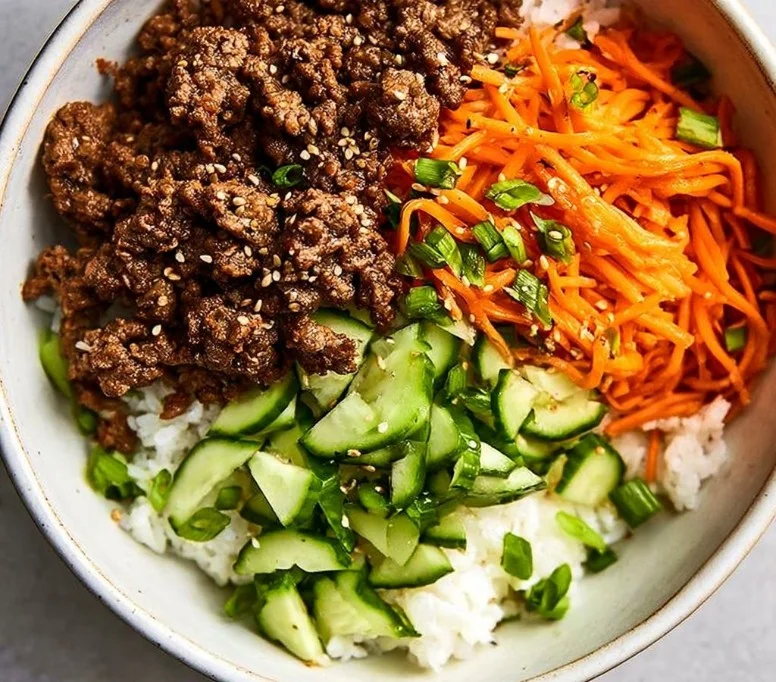
Korean Beef Bowl
Korean Beef Bowl is a vibrant and flavorful dish that showcases a delightful combination of savory, spicy, and slightly sweet flavors. The dish typically features tender pieces of meat that are infused with the unique taste of gochujang, a fermented Korean chili paste that adds depth and complexity to the overall flavor profile. Accompanying the rich meat are fresh and crunchy vegetables, which provide a much-appreciated contrast in texture. Served over a bed of fluffy rice, this meal not only satisfies the palate but also creates a visually appealing dish that is sure to captivate anyone who experiences it for the first time.
The beauty of a Korean Beef Bowl lies in its balance of flavors and textures. The gochujang gives the dish its signature spiciness, while the sesame oil contributes a rich, nutty undertone. Together with the sweetness from sugar and the umami from soy sauce, these ingredients meld into a symphony of taste that dances on your tongue. The addition of fresh vegetables like cucumber and carrots adds brightness and nutrition, making this dish feel well-rounded and wholesome. Finally, the inviting aroma that wafts through the kitchen as you prepare this meal promises an exceptional dining experience.
Korean Beef Bowl is perfect for various occasions, whether it be a casual weeknight dinner, a family gathering, or a plate to impress guests. Its quick preparation time makes it an ideal option for busy cooks looking to create something delicious without investing hours in the kitchen. Plus, the customizable nature of this dish allows for personalization according to individual preferences or dietary requirements, making it an accessible option for everyone.
Now that you understand the essence of this delightful dish, let’s delve deeper into the unique characteristics that make the Korean Beef Bowl truly special.
What Makes This Recipe Special
What sets this recipe apart from other rice-based dishes is primarily the balance of flavors achieved through the use of specific Korean seasonings. The core of the dish, with its reliance on gochujang, provides a depth that is hard to replicate with standard condiments. Paired with sesame oil, this trio of ingredients forms the foundation of what makes the Korean Beef Bowl not just a meal but a dining experience rich in culture and tradition.
The textures also play a crucial role in the dish’s appeal. When prepared correctly, the meat is incredibly tender, contrasting beautifully with the crispness of the fresh vegetables. Such layers of texture enhance the overall enjoyment and can elevate the meal considerably. The vivid colors of the toppings not only make the dish more appetizing but also indicate the freshness of the ingredients used.
Additionally, the ease of preparation is a significant factor for home cooks. Unlike many recipes that require extensive marination or cooking techniques, the Korean Beef Bowl comes together quickly. The quick-cooking nature of ground meat means that you can prepare a rich, flavorful meal in under thirty minutes, making it a sensible choice for any day of the week. When compared to other Asian cuisine staples, this dish stands out due to its flexibility and the ability to serve it hot or chilled based on personal taste.
The Korean Beef Bowl invites exploration in terms of flavor and presentation. You could easily modify it to cater to different tastes, coming up with unique varieties that still celebrate the essential ingredients. The nature of the dish also allows for creativity—different types of vegetables, ingredients, or even other bases like quinoa or noodles can be incorporated without detracting from the lovely Asian influence.
Ingredient Overview and Helpful Notes
The essential ingredients in a Korean Beef Bowl are meticulously chosen to create a sense of authenticity while building layers of flavor. First and foremost, ground beef serves as the protein source, providing moisture and richness to the dish. Its texture and flavor absorb the spices and sauces, making each bite a delicious experience. When selecting ground beef, the quality matters; choosing a fresher cut can vastly improve flavor and tenderness.
Next on the list is gochujang, a staple in Korean cooking. This fermented chili paste is not only spicy but also sweet and savory, adding dimension to the meat as it cooks. When purchasing gochujang, look for brands that use quality ingredients without excessive additives. It typically comes in a jar, but make sure it’s tightly sealed to maintain its potency.
Soy sauce is another crucial element, providing the necessary umami kick that balances out the sweetness of other ingredients. Opt for low-sodium soy sauce if you’re watching your salt intake or prefer a lighter flavor. Sugar acts not only as a sweetener but also rounds out the heat from the gochujang, creating a harmonious flavor profile.
Sesame oil, with its distinct nutty aroma, plays an important role, infusing the entire dish with fragrance. This oil should be stored in a cool place and used as a finishing oil for the best flavor. When preparing the vegetables—cucumber and carrots—focus on cutting them into thin slices or julienne to enhance the dish’s visual appeal and texture. Freshness is essential; always choose firm, crisp veggies.
Finally, cooked rice acts as the perfect canvas for all these flavors. Jasmine or sticky rice works well here, as it absorbs the sauce beautifully while providing a slightly chewy texture. Please ensure that rice is freshly cooked or reheated properly to maintain its integrity when serving.
Together, these ingredients blend to create a remarkable dish. Not only are they carefully chosen for their individual contributions, but they also function in such harmony that any substitutes may alter the essence of the final result. It’s best to retain the key players if you’re looking for that authentic Korean taste.
Nutrition & Recipe Details
The nutritional content for this dish may vary depending on the specific brands of ingredients used and the individual serving sizes, but overall, a Korean Beef Bowl tends to be a balanced meal—full of protein, vegetables, and carbs. Let’s take a look at the typical estimates:
| Item | Value |
|---|---|
| Prep time | 10 minutes |
| Cook time | 15 minutes |
| Store time | 3-4 days |
| Calories | approximately 500-600 per serving |
| Protein | 30g |
| Carbohydrates | 70g |
| Fat | 20g |
How to Make Korean Beef Bowl
The preparation of a Korean Beef Bowl is straightforward, making it ideal for both novice and experienced cooks. The process is methodical: cook the meat, prepare the sauce, and assemble the bowl. Ensuring that your workspace is organized and all ingredients are prepped before cooking will streamline the experience.
Ingredients
| Ingredient | Quantity |
|---|---|
| Ground beef | 1 lb |
| Gochujang | 2 tablespoons |
| Soy sauce (or gluten-free soy sauce) | 1 tablespoon |
| Sugar | 2 teaspoons |
| Sesame oil | 1 tablespoon |
| Cooked rice | as needed |
| Cucumber, sliced | 1 |
| Carrot, julienned | 1 |
| Green onions, optional, for garnish | as desired |
Prior to starting the cooking process, gather all the ingredients to ensure your cooking session goes smoothly. Begin by measuring out the ground meat and vegetables. Slice your cucumber, julienne the carrot, and have your rice cooked and ready for serving. Having everything ready will allow you to focus on cooking without interruptions.
Step-by-Step Instructions
- Cook the Ground Meat: Heat a large skillet over medium heat. Once hot, add the ground meat to the skillet. Use a spatula to break up the meat as it cooks. Stir occasionally for an even browning.
- Look for Browning: Cook the meat until it is uniformly browned, usually around 5-7 minutes. Keep an eye out for any excess fat—this can make the dish greasy, so if there’s too much, drain some off before continuing.
- Add Seasonings: Stir in gochujang, soy sauce, sugar, and sesame oil into the skillet. This mixture should begin to sizzle and bubble as you mix it in thoroughly, allowing each piece of meat to get coated.
- Cook Further: Allow this mixture to cook for an additional 2-3 minutes. Watch for the sauce to heat through and start to thicken slightly. During this time, the flavors meld together, creating a rich sauce coating the meat.
- Assemble the Bowl: To serve, place a generous scoop of cooked rice into bowls. Spoon the meat mixture over the rice, ensuring that it gets spread evenly.
- Top with Veggies: Finish the dish by topping it with fresh slices of cucumber and the julienned carrots. This step not only adds nutritional value but also a colorful pop to your bowl.
- Garnish: Optionally, sprinkle chopped green onions on top for an added onion flavor and a burst of color. Serve immediately for the best experience.
Understanding the Flavor and Texture
When you take a bite of a well-prepared Korean Beef Bowl, expect an explosion of flavors that dance beautifully in your mouth. The combination of savory richness from the ground meat melds perfectly with the sweet and spicy notes from the gochujang and sugar. Each ingredient plays its role, from the tender meat to the fresh, crisp vegetables, creating a satisfying dining experience that leaves you craving more.
Texture is equally as important as flavor in this dish. The ground meat should be crumbly yet moist, while the rice provides a fluffy base. Upon biting into the fresh cucumber and carrots, you should experience a satisfying crunch that contrasts the soft meat and rice, making every mouthful a wonderful combination of sensations. Furthermore, the slight stickiness of the rice paired with the creaminess of sesame oil enhances the delightful experience.
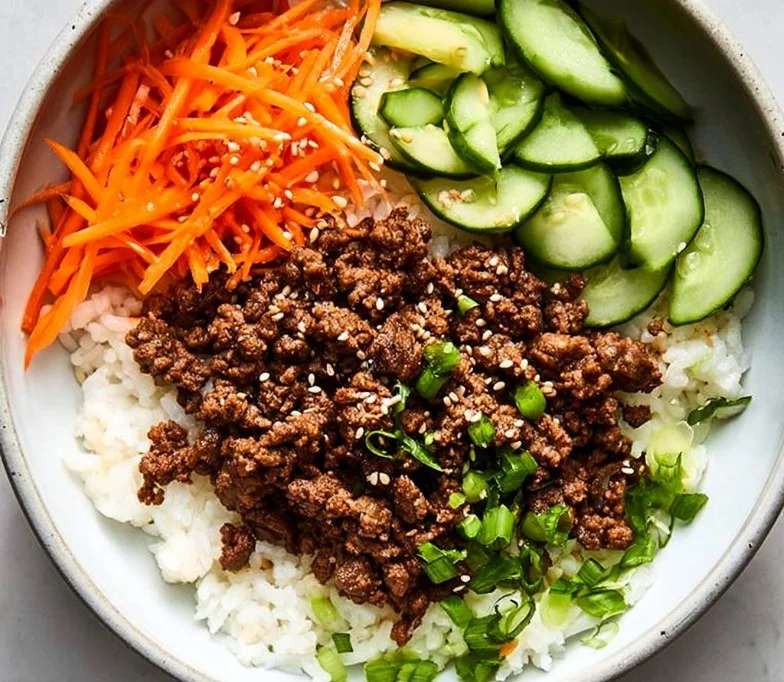
Cooked correctly, this dish will exhibit slight browning on the meat, hinting at the deep flavors developed throughout the cooking process. The overall presentation should be colorful, showcasing the fresh green and orange vegetables against the rich red of the seasoned meat and the white of the rice.
Pro Tips
A few techniques can elevate the result of your Korean Beef Bowl into a next-level dish. Consider enhancing the flavors and textures beyond the basic recipe.
| Tip | Description |
|---|---|
| Don’t Rush the Browning | Allow the meat to brown properly for a depth of flavor. Rushing this step may lead to a less flavorful dish. You want that caramelization to develop fully. |
| Fresh Ingredients Make a Difference | Whenever possible, opt for fresh vegetables. Their crunch and natural sweetness can enhance the overall experience, providing a vivid contrast to the spiced meat. |
| Adjust the Spiciness | If you’re sensitive to spice, start with less gochujang and gradually increase. You can always add more heat, but adjusting the spice after it’s added can be tricky. |
| Let it Rest! | If possible, allow the cooked meat to rest briefly before serving. This gives the flavors time to settle and meld, resulting in a richer taste experience. |
Additionally, consider the importance of not overcooking the vegetables. Fresh, light cooking can retain their texture and nutrients, ensuring every component of the dish contributes to a delightful experience.
Why You’ll Love This Recipe
This Korean Beef Bowl is not only eye-catching with its array of colors but also easy to prepare and highly adaptable based on preferences. The connection between flavorful ingredients and quick preparation means that even individuals with hectic schedules can create a hearty, nourishing meal that pleases the palate.
The dish’s flexibility makes it appealing for various occasions. Whether you are hosting a small friends’ gathering or preparing a simple family dinner, the Korean Beef Bowl works well as a crowd-pleaser. Its customizable nature allows for tailoring to specific dietary needs, making it accessible for almost anyone.
Another noteworthy benefit is that this dish is generally cost-effective. Ground meat is an economical protein source, and when combined with affordable vegetables and rice, it fits effortlessly into a budget-friendly meal plan. Lastly, its potential for leftovers means you can enjoy it the next day, perhaps even cold in a salad—or as a filling item in a wrap.
How to Serve Korean Beef Bowl
Presentation can elevate your Korean Beef Bowl from a simple meal to an appealing dish ready for guests. Start by layering the rice in a wide, shallow bowl, creating a base to hold all the server toppings. Continue by placing the meat mixture neatly over the rice, allowing some of the sauce to drizzle down the side.
When it comes to decorating your bowl, balance is key. Place the cucumber slices and julienned carrots in a way that they are visible and accessible. Using contrasting colors will score points on visual appeal—green from the cucumber, bright orange from the carrot, and the deep red of the meat sauce create a vibrant experience on the plate.
Alternatively, for a family-style serving, consider serving all components separately, allowing guests to customize their bowls according to preference. This method encourages interaction, making for a lively dinner conversation while catering to individual tastes.
Pair your Korean Beef Bowl with a light side salad dressed with sesame vinaigrette for a fresh, crunchy contrast. Alternatively, small bowls of kimchi for tanginess and pickled vegetables for extra crunch would also be delightful accompaniments. If you’re feeling adventurous, consider serving it alongside a refreshing drink like iced green tea, which can complement the dish’s bold flavors.
How to Store Korean Beef Bowl
Correctly storing leftovers from your Korean Beef Bowl helps preserve their freshness while keeping food safety in mind. After enjoying your first serving, allow the leftovers to cool slightly at room temperature but aim to refrigerate within two hours to avoid bacteria growth.
For storage, use airtight containers and carefully divide the meat and vegetables from the rice. Keeping them separate will prevent the rice from becoming soggy and will help maintain the texture of all components. Store in the refrigerator, and your dish should last for about 3-4 days—perfect for easy reheating later.
If intended for longer storage, consider freezing the meat mixture only. Allow the mixture to cool, place it into freezer-safe containers, and it can keep for up to three months. When ready to enjoy, thaw in the refrigerator overnight for safe preparation.
Keep in mind that while reheating, the texture of the rice may change slightly, becoming softer. Once reheated, inspect the dish before serving to ensure it retains flavor and appeal. A splash of fresh sesame oil or a squeeze of lime upon serving can add a punchy freshness to the reheated meal.
Tips to Make Korean Beef Bowl
For those eager to enhance their skills in the kitchen, there are always opportunities to refine your cooking with a few practical tips. Proper seasoning, heat management, and careful ingredient preparation can all influence the final result of your dish.
Start by considering the seasoning. Ground meat can benefit from thorough seasoning, so don’t hesitate to taste and adjust flavors as necessary during the cooking process. Additionally, managing heat during cooking ensures you avoid charring your meat while achieving that lovely caramelization. Adjust the flame to be consistent with the cooking speed you need.
Pay careful attention during the final assembly. Arranging ingredients thoughtfully can make the bowl visually appealing while ensuring balanced bites. Tackle each element one by one; assemble a small scoop of rice, then layer on the meat, followed by the fresh vegetables, so each component stands out.
Timing is another crucial factor. Don’t rush the cooking times; allow the flavors to meld and the ingredients to soften at their own pace. These small adjustments in process can significantly improve the final taste and presentation of your dish.
Variations and Substitutions
In preparing a Korean Beef Bowl, there is ample room for variations and delicious alternatives that can accommodate dietary preferences. For those looking to go meatless, substituting ground meat with tofu or tempeh can deliver an equally satisfying dish. Crumbling firm tofu and sautéing it in the same way as ground meat will absorb flavors beautifully while remaining a robust option.
For a heat-intensive version, increase the amount of gochujang, or mix in other spicy elements like sriracha or chili flakes. Another spicier addition is roasted vegetables—such as bell peppers or broccoli—to introduce varying textures and flavors.
If you’re considering dietary restrictions, a gluten-free adaptation can easily be achieved through gluten-free soy sauce. Alternatively, using coconut aminos can provide a similar umami taste without the gluten.
Those who wish to cut down on carbs can replace rice with cauliflower rice or spiralized zucchini. These substitutions will still afford a satisfying base while providing lightness to the bowl.
Remember to retain rich flavors, so as each alternative is introduced, be cautious that other flavor elements may need adjustments to maintain a harmonious dish.
Storage and Reheating
Properly storing leftovers from your Korean Beef Bowl is critical for maintaining flavor and quality. After the dish cools, store it in airtight containers, ensuring that both the meat mixture and rice are adequately sealed to retain moisture. If you prefer to freeze the mixture to prolong its life, ensure it’s cooled before transferring to freezer containers.
For reheating, opt for methods that preserve texture and taste. The microwave allows for quick heating—place the dish on a microwave-safe plate and heat in short intervals while stirring to distribute the heat evenly. For those who enjoy crispness, reheating in a skillet over low heat can help rejuvenate the textures, allowing you to drizzle a minimal amount of water to create steam.
Once reheated, if the rice seems a bit dry, a touch of extra sesame oil or a spray of water reintroduces moisture and flavor. Ensure everything is heated through before serving, and enjoy this delightful meal once again!
Customization Ideas
Customization is at the heart of a Korean Beef Bowl, allowing everyone to tailor the dish to their personal palate. Start with the seasoning; feel free to experiment with additional elements like garlic or ginger, both of which add aromatic depth.
Then consider toppings. Beyond the suggested cucumber and carrots, additions like fresh cilantro, radishes, or even avocado can enrich the experience, offering both beautiful colors and textures to the bowl. Nuts, like crushed peanuts or sesame seeds, can supply a satisfying crunch.
Changing the base is another avenue for customization—try serving the beef mixture over quinoa, noodles, or even lettuce for a fresh and crunchy salad substitute instead of rice. Each variation affords a new flavor experience while retaining the dish’s beloved essence.
Lastly, adjusting the cooking style provides endless options. Grilling the meat instead of pan-searing could impart a smoky flavor that elevates the entire dish. Exploring these alternative aspects can make your Korean Beef Bowl a versatile part of your culinary repertoire.
Common Mistakes to Avoid
Avoiding common pitfalls can enhance your cooking experience with Korean Beef Bowl. Here are five frequent mistakes and tips for success:
-
Undercooking the Meat: If you don’t cook the meat long enough, it may be tough and less flavorful. Ensure it’s fully browned and cooked through before mixing in sauces. Testing the texture can help ascertain doneness.
-
Skipping on Salt: Not seasoning the meat properly can lead to a bland dish. Always taste your dish before serving, allowing you to make any necessary adjustments for better flavor integration.
-
Overloading on Vegetables: While fresh toppings add crunch, overloading can create a messy, unmanageable dish. Aim for balance by using just enough to complement the meat without overwhelming it.
-
Putting Everything Together Too Soon: Serving the components too quickly may result in soggy rice. Layer accordingly, allowing each ingredient’s unique flavor and texture to shine.
-
Forgetting to Drain Fat: Failing to drain excess fat after cooking the meat may lead to a greasy final dish. Always drain where necessary to maintain an appealing texture and flavor balance.
By avoiding these common mistakes, you’ll ensure that your Korean Beef Bowl is a scrumptious success and that every bite is a delight.
Serving Occasions
This dish is a top contender for many occasions. Its simplicity and flavor profile make it perfect for busy weeknights when time is of the essence but a nutritious meal is still desired. The quick preparation and cleanup mean you can have a wholesome dinner on the table in under half an hour.
Furthermore, the Korean Beef Bowl serves wonderfully at family gatherings or casual parties. The customizable nature allows guests to mix their bowls as they please, which can be a fun and interactive way to serve a group. Each person can tailor their bowl based on preferences, whether they lean towards a spicier profile or prefer extra crunch from vegetables.
Lastly, it’s also an ideal option for meal prep. Cook a big batch on a Sunday, store individual portions in the fridge, and simply reheat throughout the week for a fast, satisfying meal.
Why Make This Recipe?
Choosing the Korean Beef Bowl over a casual rice dish or stir-fry presents several unique advantages. The flavor complexity achieved through the unique combination of gochujang, sesame oil, and soy sauce creates a strikingly different palate experience while being fairly simple to prepare.
Not only is it delicious, but the dish’s versatility allows for endless adaptations and meal possibilities. Whether you prioritize health, comfort, or variety, this recipe can cater to each crave. The dish can also be prepared with readily available ingredients, limiting hurdles for home cooks to tackle.
Its quick cooking time ensures that it can fit into any busy lifestyle, making it a practical recipe for both seasoned chefs and kitchen novices alike. For anyone looking to explore Korean cuisine or wishing to experiment with vibrant flavors, the Korean Beef Bowl is an excellent choice.
Make-Ahead Preparation
One of the best aspects of the Korean Beef Bowl is its suitability for make-ahead preparation. You can prepare the meat filling in advance—cooking it thoroughly, allowing it to cool, and storing it in the refrigerator for up to four days. This allows flavors to deepen before reheating for serving.
If desired, portion out the cooked rice separately to ensure it stays fresh and fluffy. You can also chop the vegetables a day ahead, keeping them stored in an airtight container to maintain crispness. The simplicity of this dish allows for various components to be prepped at different times, fitting seamlessly into a busy schedule.
Remember, it’s best to assemble the complete dish just before serving to preserve freshness and texture in the vegetables. This smart prep can make weekday meals a breeze, making the Korean Beef Bowl an excellent addition to your repertoire.
Equipment and Kitchen Preparation
To efficiently prepare the Korean Beef Bowl, having the right kitchen tools can elevate your cooking experience. Start with a large skillet or frying pan, no less than 12 inches in diameter, as it provides enough space to evenly brown the meat without overcrowding, which could lead to steaming rather than browning.
A good spatula is also essential for breaking up the meat as it cooks, ensuring even cooking and avoiding clumping. For precision, a sturdy chopping board and sharp knife will help with slicing vegetables correctly—thin slices or julienned cuts will enhance presentation and ease of biting.
Preparing your ingredients beforehand will save time while cooking. Have all your sauces and seasonings measured and ready so you can effortlessly add them to the skillet without interruption. A small bowl or container for your diced vegetables also allows easy access when assembling the bowl.
FAQs
How can I adjust the spice level of my Korean Beef Bowl?
You can easily adjust the spice by adding more or less gochujang based on your taste preference. Starting with a smaller quantity lets you gradually find your desired level of heat.
Can I use ground turkey or chicken instead of beef?
Absolutely! Ground turkey or chicken makes for a great alternative and can provide a lighter version of the dish. Just keep in mind that these proteins will cook faster, so monitor the cooking time closely.
Is this Korean Beef Bowl recipe suitable for meal prep?
Yes, the dish is excellent for meal prep. You can prepare the meat and rice in advance and store them separately in the fridge. This way, you can reheat them when ready to serve, ensuring optimal freshness.
How do I prevent the rice from becoming mushy when reheating?
To maintain the rice’s integrity during reheating, you may add a splash of water or broth to create steam. This can help restore moisture without making the rice too soft.
Can this recipe be frozen?
Yes, you can freeze the cooked meat mixture for up to three months. Ensure it’s cooled down and stored in airtight containers. The rice does not freeze as well, so it’s advisable to cook fresh rice upon reheating.
What else can I add to my Korean Beef Bowl?
Feel free to be creative! You can add nuts, other colorful vegetables, or even avocado for a creamier texture. The versatile nature of this dish allows for plenty of garnishes and variations.
How long does the cooked beef last in the fridge?
If stored properly in an airtight container, the cooked meat can last in the refrigerator for about 3-4 days. Always check for any off smells before consuming.
What side dishes pair well with this meal?
For a complete meal, consider serving with a light salad, kimchi, or pickled vegetables for contrast. Miso soup can also be a comforting addition to balance out the meal.
Disclaimer
Nutritional information is approximate and may vary based on ingredient brands, substitutions, portion sizes, and preparation methods.
Print
Korean Beef Bowl
- Total Time: 25 minutes
- Yield: 4 servings 1x
- Diet: Gluten-Free
Description
A vibrant and flavorful dish featuring tender ground beef infused with gochujang, served over rice with fresh vegetables.
Ingredients
- 1 lb Ground beef
- 2 tablespoons Gochujang
- 1 tablespoon Soy sauce (or gluten-free soy sauce)
- 2 teaspoons Sugar
- 1 tablespoon Sesame oil
- Cooked rice, as needed
- 1 Cucumber, sliced
- 1 Carrot, julienned
- Green onions, optional, for garnish
Instructions
- Heat a large skillet over medium heat.
- Add the ground meat to the skillet and break it up with a spatula.
- Cook until uniformly browned, about 5-7 minutes.
- Stir in gochujang, soy sauce, sugar, and sesame oil.
- Cook for an additional 2-3 minutes until heated through and sauce thickens.
- Assemble by placing rice in bowls and topping with the meat mixture.
- Top with cucumber slices and julienned carrots.
- Garnish with chopped green onions if desired. Serve immediately.
Notes
Adjust spice level by adding less gochujang. Use fresh ingredients for the best flavor and texture.
- Prep Time: 10 minutes
- Cook Time: 15 minutes
- Category: Main Course
- Method: Stovetop
- Cuisine: Korean
Nutrition
- Serving Size: 1 bowl
- Calories: 550
- Sugar: 6g
- Sodium: 600mg
- Fat: 22g
- Saturated Fat: 8g
- Unsaturated Fat: 8g
- Trans Fat: 0g
- Carbohydrates: 70g
- Fiber: 3g
- Protein: 30g
- Cholesterol: 80mg