
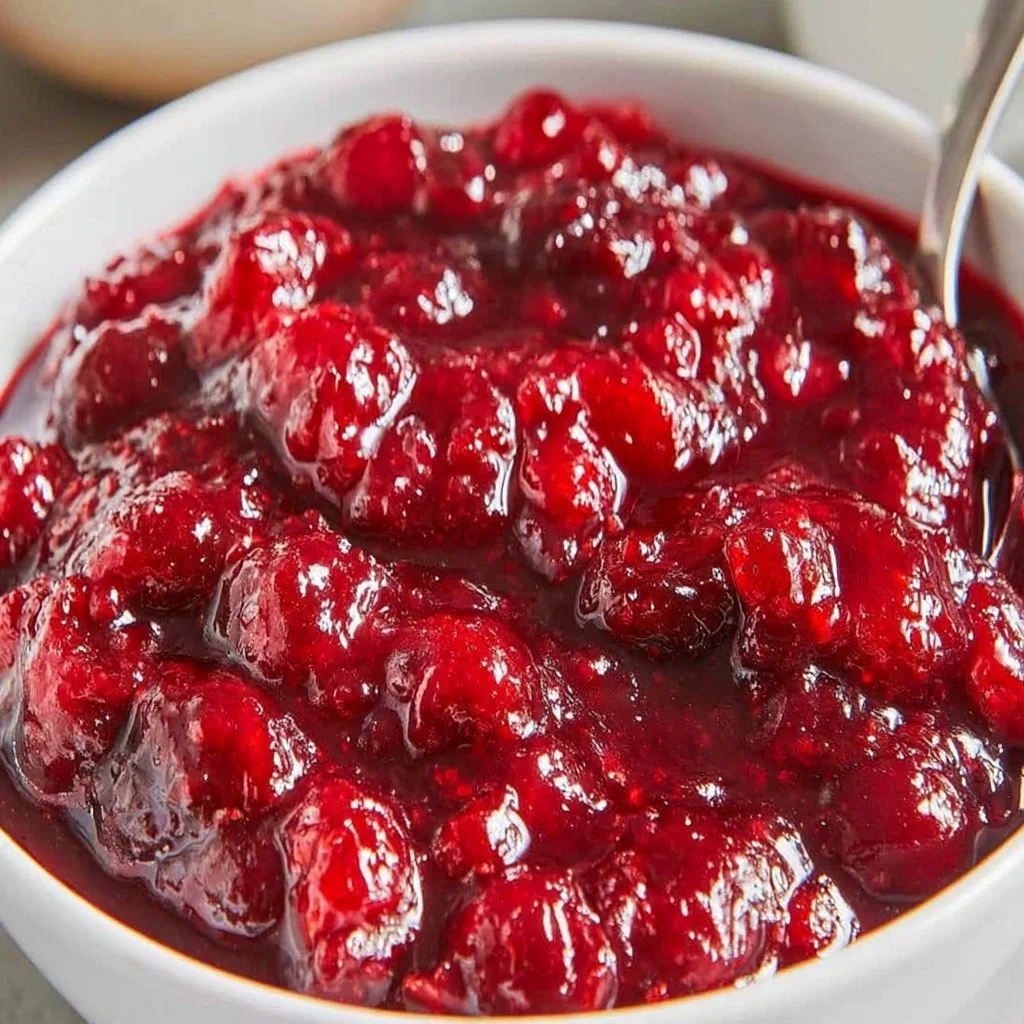
Classic Homemade Cranberry Sauce (EASY)
Cranberry sauce is a beloved staple during the holiday season, but its charm extends well beyond just Thanksgiving. This simple yet delightful sauce features the vibrant tartness of fresh cranberries, which are both refreshing and packed with flavor. The combination of sugar adds just the right amount of sweetness to balance the cranberries’ natural acidity, resulting in a deliciously tangy condiment that appeals to many palates. Homemade cranberry sauce is not only bursting with flavor, but it’s also incredibly easy to prepare, making it a go-to recipe for home cooks of all skill levels.
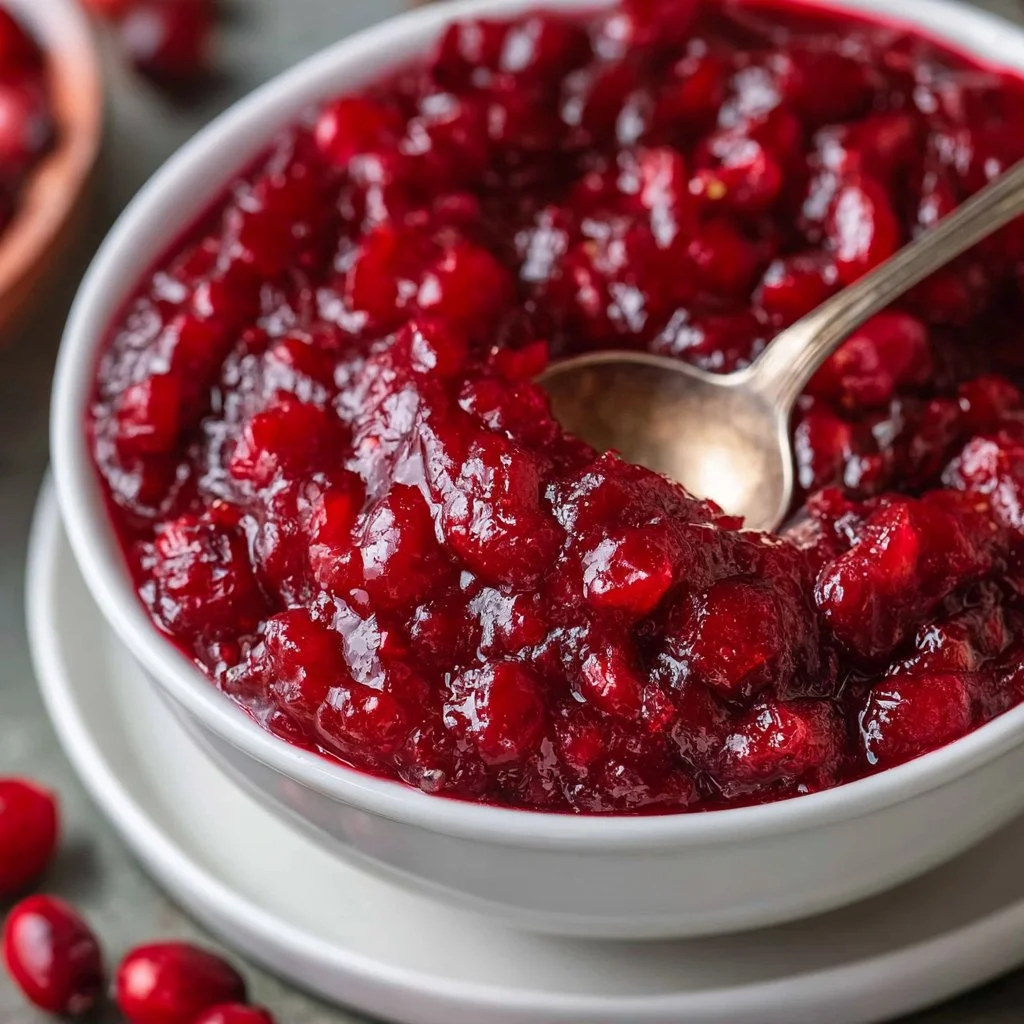
When you prepare this dish, expect a beautiful ruby-red sauce that thickens as it cooks, transforming the whole cranberries into a glossy, rich delight. The texture of the finished sauce is both smooth and slightly chunky, offering that satisfying bite of burst cranberry in every spoonful. It serves as an excellent accompaniment to a variety of dishes, shining particularly with roasted meats but equally delightful paired with cheese or spread onto a slice of fresh bread.
This versatile sauce is suitable for numerous occasions, from family dinners and holiday feasts to casual brunches and everyday snacks. It’s a wonderful addition to any meal, whether spread on turkey sandwiches or served alongside a warm bowl of oatmeal. Its vibrant flavor and attractive appearance make it an irresistible choice that can elevate any dish it touches.
What Makes This Recipe Special
What sets this homemade cranberry sauce apart from store-bought versions is the freshness of its ingredients. Using fresh cranberries ensures optimal flavor and texture, while the simple cooking process maximizes their natural tartness. Unlike packaged sauces often filled with preservatives and unnecessary additives, this recipe allows you to enjoy the pure, unadulterated taste of cranberries, elevated just by a bit of sugar and water.
Additionally, this recipe opens up a world of possibilities for customization. You can tailor the sugar content to your taste, making it sweeter or keeping it more tart, depending on your preference. Adding a pinch of cinnamon or a splash of orange juice can introduce new flavor dimensions, making it a unique creation that reflects your tastes. This adaptability is one of the reasons why so many love making their own cranberry sauce at home.
The fresh aroma that wafts through your kitchen as the cranberries simmer is another delightful aspect of this dish. It’s an olfactory reminder of cozy holidays, family gatherings, and feasting with loved ones. This act of creating something from scratch adds a personal touch that simply cannot be replicated with mass-produced alternatives.
Ingredient Overview and Helpful Notes
In making classic homemade cranberry sauce, the starring ingredients include fresh cranberries, sugar, and water. Each plays a crucial role in developing the sauce’s vibrant flavor and texture. Fresh cranberries are tangy and tart, making them a perfect base for this sauce. When they cook down, they release their natural pectin, which helps the sauce thicken; therefore, it’s essential to use fresh cranberries rather than dried or canned ones for the best results.
Sugar balances the tartness of the cranberries and enhances their flavor. You can adjust the amount based on your taste preferences. A typical ratio is about a cup of sugar for every bag of cranberries, but feel free to start with less and adjust as necessary. Water acts as the cooking medium that helps the sugar dissolve and the cranberries cook down into sauce. It also controls the final consistency, so be mindful of how much you add if you wish to achieve a thicker or thinner result.
When selecting cranberries, look for plump, firm berries that have a deep red color without any blemishes or signs of wrinkling. The fresher the fruit, the better the flavor of your sauce. If you see any squishy berries in the bag, it’s best to remove them, as they can adversely affect the taste and texture of the sauce.
Preparation is key to achieving the best results. Before you start cooking, rinse the cranberries thoroughly to remove any dirt or residue. Remove any that are damaged or shriveled, as these can impact the overall flavor and texture. Measuring the sugar correctly before you start the cooking process will ensure an even distribution throughout the sauce, preventing any sweet or bitter surprises.
Nutrition & Recipe Details
Nutritional values can vary based on your ingredient choices, brands, and portion sizes. Below are approximate values that should be considered as estimates.
| Item | Value |
|---|---|
| Prep time | 5 minutes |
| Cook time | 15 minutes |
| Store time | 1 week |
| Calories | 100 (per 1/4 cup) |
| Protein | 0.1 g |
| Carbohydrates | 26 g |
| Fat | 0 g |
How to Make Classic Homemade Cranberry Sauce
Creating your homemade cranberry sauce is a straightforward process that can be accomplished in just a few steps. Before you begin, assemble your ingredients and gather the necessary equipment, such as a medium-sized pot and a wooden spoon for stirring. Having everything organized will ensure a smooth cooking experience.
Ingredients
| Ingredient | Quantity |
|---|---|
| Fresh cranberries | 12 ounces |
| Sugar | 1 cup |
| Water | 1 cup |
Before starting, ensure that your cranberries are rinsed clean and any blemished fruits are picked out. Measure out your sugar and water, preparing them for use when the time comes. This pre-organized prep will help streamline the cooking process.
Step-by-Step Instructions
-
Combine Sugar and Water: Start by placing a medium-sized pot over medium heat. Add the measured sugar and water to the pot. Stir occasionally to help dissolve the sugar completely into the water. It’s important to fully dissolve the sugar before adding the cranberries, as this will contribute to the sauce’s overall consistency.
-
Add Fresh Cranberries: Once the sugar is fully dissolved, add the fresh cranberries to the pot. You’ll hear a satisfying popping sound as the cranberries start to cook and burst under heat. Stir gently to combine everything, ensuring the cranberries are coated in the sweetened water.
-
Bring to a Boil: Increase the heat slightly to bring the mixture to a boil. Keep a close eye on it to prevent the syrup from boiling over. You’ll notice the cranberries beginning to burst and break down. This is an indication that they’re releasing their juices, critical for developing that rich sauce.
-
Simmer the Sauce: Once boiling, reduce the heat slightly and let the mixture simmer for about 10 to 15 minutes. During this time, continue stirring occasionally. You’ll see the mixture thickening as the cranberries pop open and soften. The bubbling should be gentle; too high a temperature might overcook the cranberries.
-
Check the Thickness: After about 10 minutes, check the sauce’s consistency. It should be thick enough to coat the back of a spoon. If it’s not yet thickened to your liking, give it a few more minutes while continuing to stir. Remember, it will also thicken as it cools.
-
Cool and Serve: Once the sauce has reached your desired thickness, remove the pot from the heat. Allow it to cool slightly before transferring it to a serving dish or storage container. As it cools, the flavor will deepen, and it becomes perfect for serving with savory dishes or breakfast items.
-
Serving Suggestions: This sauce is best served at room temperature but can be served warm or cold for varied flavor experiences. Pair it with roast turkey during your holiday meal, or enjoy it on toast or with sharp cheeses.
!
Understanding the Flavor and Texture
The finished cranberry sauce has a beautifully vibrant appearance, characterized by its deep red color and thick, glossy texture. Each spoonful delivers a delightful balance of tartness from the fresh cranberries and sweetness from the sugar, making it a well-rounded accompaniment to a variety of dishes. You’ll notice an inviting aroma that wafts through your kitchen while it simmers, which is sure to evoke feelings of nostalgia and warmth.
When cooked properly, the sauce contains both chunky and smooth elements. The cranberries burst during cooking, creating small pockets of sweetness within the softened fruit while still retaining enough texture to provide contrast. This interplay of smoothness and chunkiness keeps each bite interesting.
The acidity of the cranberries is balanced beautifully by the sugar, so the resulting flavor profile is not overwhelmingly sweet nor overly tart. Instead, it enhances whatever it is served with, complementing savory meats and rich cheeses alike.
Pro Tips
A few simple techniques can significantly enhance the taste and quality of your cranberry sauce. Below are some helpful tips to elevate your dish further.
| Tip | Description |
|---|---|
| Use Fresh Ingredients | Ensure your cranberries are fresh and plump to achieve the best flavor. Moldy or shriveled berries can negatively impact the overall taste. |
| Adjust Sugar to Taste | Feel free to taste the mixture while it’s simmering and adjust the sugar accordingly. If you prefer a more tart sauce, you can reduce the sugar slightly. |
| Flavor Boosts | For added complexity, consider incorporating spices such as cinnamon, nutmeg, or ginger during cooking, or use a splash of orange juice or zest for a citrusy kick. |
| Thicken the Sauce | If the sauce isn’t thickening as much as you’d like, you can mash some of the cranberries with a fork or a masher to release more natural pectin. |
In addition to these tips, remember to stir the sauce gently but consistently as it cooks to promote even cooking and prevent sticking. Also, don’t hesitate to allow the sauce to cool completely before serving. The flavors will meld beautifully and intensify as it cools down.
Why You’ll Love This Recipe
The recipe for homemade cranberry sauce offers several appealing qualities to both novice and experienced cooks alike. Its simplicity, requiring just three core ingredients, allows anyone to create a sauce that tastes far superior to store-bought varieties. The flexibility in flavor customization also makes it easy to adapt this dish to match personal taste preferences or special occasions.
Beyond the flavor and ease of preparation, this sauce is inherently versatile. It pairs beautifully with traditional holiday meals, but it can also serve as a zesty topping for breakfast dishes or side dishes throughout the year. The freshness of the ingredients does not compromise on quality, making it an excellent addition to meal prep or potluck gatherings.
With no complicated techniques or equipment required, even beginner cooks will find success in making this sauce. Plus, the satisfaction that comes from creating a condiment from scratch is rewarding. Rest assured, once you try your hand at homemade cranberry sauce, you’ll likely want to keep it as a regular in your cooking repertoire.
How to Serve Classic Homemade Cranberry Sauce
Presenting your homemade cranberry sauce beautifully enhances the dining experience. Consider serving it in a decorative bowl that contrasts with the rich red hue of the sauce, making it visually striking. A scoop of sauce on each plate immediately adds an appealing pop of color against other dishes.
Perfect pairings for this sauce include traditional fare such as turkey and stuffing during festive occasions. However, it also works well with a variety of cheese platters, particularly sharp cheeses like cheddar or creamy blue cheese. If you’re thinking about a casual lunch menu, spread it on sandwiches for a delightful twist.
For those looking to add a gourmet touch, garnish the cranberry sauce with a sprig of fresh mint or a sprinkle of orange zest to elevate its presentation. When entertaining guests, offering this sauce in small ramekins allows everyone to enjoy it without compromising on elegance.
Don’t overlook beverage pairings. Cranberry sauce complements various beverages, including dark herbal teas and fruity sparkling waters. To offer variety, provide some delicious drink options alongside the sauce to create a well-rounded meal experience.
How to Store Classic Homemade Cranberry Sauce
Proper storage of leftover cranberry sauce is essential to maintain its freshness and flavor. After your meal, allow the sauce to cool completely at room temperature. Once cooled, transfer it to an airtight container. If you’re planning to store it in the refrigerator, ensure the lid seals tightly to prevent drying out or absorbing odors from other foods.
In the fridge, homemade cranberry sauce can last up to a week—perfect for enjoying leftovers or using it as a topping in your meals throughout the week. For longer storage, cranberry sauce freezes beautifully. Transfer it into freezer-safe containers or bags, removing as much air as possible to prevent freezer burn. When stored this way, it can last for up to three months.
When you’re ready to enjoy frozen sauce, simply take it out of the freezer and allow it to thaw in the fridge overnight. Once thawed, gently stir the sauce to reintegrate any liquid that may have separated during freezing.
It’s important to note that while flavor will be preserved, the texture may change slightly upon freezing and thawing, becoming a bit softer. However, it will still be delicious and perfectly suitable for enjoying with your favorite dishes.
Tips to Make Classic Homemade Cranberry Sauce
When preparing this cranberry sauce, pay careful attention to a few key areas to enhance its quality. Start with selecting your cranberries; fresher ones are not only tastier but also provide better texture in the final sauce. Be diligent in checking for any old or damaged berries.
Seasoning also plays a crucial role in developing the final flavor. While sugar is essential, make sure not to overlook other flavor-enhancing elements. Adding a small pinch of salt can truly elevate the flavors, bringing out the sweetness of the cranberries without making the sauce taste salty.
Timing is significant too! When simmering the sauce, aim for the right balance between cooking time and heat. Too high a heat setting might overly reduce the sauce, while too low might leave it too watery. Keep a close watch on the bubbling action to ensure you maintain the right consistency.
Lastly, as the sauce cools down, its flavors will continue to develop. It’s ideal to make the sauce a day before serving, allowing it to sit overnight in the fridge. This gives the flavors ample time to meld, resulting in an even more delightful experience for your taste buds.
Variations and Substitutions
While this classic cranberry sauce is perfect as is, there are countless ways to customize it to suit your tastes or dietary needs. For those looking for a more adventurous flavor, consider incorporating fruits like diced apples or pears, which bring a subtle sweetness and added texture to the sauce.
A zest of citrus—such as orange or lemon—can also create a delightful contrast to the cranberries’ tartness. Just a teaspoon or two can elevate your sauce with a fresh, aromatic touch. If you are a spice lover, consider adding a sprinkle of cinnamon, ginger, or even cloves during cooking to add warmth and depth.
For those looking to reduce sugar intake, alternatives like honey or maple syrup can be substituted for part or all of the sugar in the recipe. Keep in mind that these options may impart a different flavor, but they can still yield delicious results. Adjust the amount to your liking, as some sweeteners can be sweeter than granulated sugar.
Finally, for a spicier option, a hint of chili flakes or diced jalapeño can add an unexpected kick to your cranberry sauce, making it an excellent companion to savory dishes. These adjustments allow for creativity in the kitchen while still enjoying the classic flavors you love.
Storage and Reheating
When it comes to storing leftover cranberry sauce, divide it into smaller portions to make reheating easier. This way, you can enjoy just the right amount without needing to thaw the whole batch. Use airtight containers for refrigerator storage, where it can last about a week. For longer-lasting storage, consider freezing the sauce, as mentioned previously.
When it’s time to reheat, there are various methods available. You can slowly reheat it in a pot over low heat on the stovetop, stirring occasionally until warm. This way is ideal to retain its consistency without making it too runny.
Alternatively, you can microwave individual servings. Place the desired amount in a microwave-safe dish, covering it to prevent splatters. Heat in 30-second intervals, stirring in between until warmed through.
When reheating, if the sauce seems a little thick or dry, adding a small splash of water or orange juice can rejuvenate its texture. This will help restore moisture and make it more saucy, ensuring it’s just as delicious as when it was first made.
Customization Ideas
If you’re looking to put your spin on this classic recipe, there are myriad options to personalize your cranberry sauce. Start by adjusting the sweetness; less sugar can promote the natural tartness of the cranberries, which can be particularly appealing in savory contexts.
Adding unique flavorings can transform the sauce dramatically. Consider a splash of vanilla extract or even a teaspoon of almond extract for a fragrant twist. Another idea would be to fold in toasted pecans or walnuts after cooking for added crunch and nutty flavor.
Texture variations can also create different experiences; try pureeing a portion of the sauce for a smoother texture, leaving some cranberries whole for contrast. This works particularly well if you’re spooning it over desserts like cheesecake or ice cream.
For those who enjoy more exotic flavor profiles, consider infusing your sauce with herbs like rosemary or thyme during cooking. This can give a savory depth that complements hearty dishes remarkably well, making it suitable for use beyond just traditional mealtime pairings.
Common Mistakes to Avoid
When preparing homemade cranberry sauce, here are a few common mistakes to avoid:
-
Using Old or Damaged Berries: Deteriorating berries can ruin the overall flavor. Make a habit of inspecting cranberries before use to ensure they are fresh and firm.
-
Not Measuring Sugar Carefully: Since sugar is the primary agent in balancing tartness, be precise with your measurements. Too little sugar can lead to an overly tart sauce, while too much can make it cloying.
-
Overcooking the Sauce: Cooking beyond the recommended time can lead to a sauce that becomes too thick or burnt. Keep a close eye during simmering, and check for doneness regularly.
-
Neglecting to Stir: Stirring helps to promote even cooking and prevents sticking, both essential for achieving the right consistency. Failing to stir can result in uneven texture or burnt portions.
-
Skipping the Cooling Phase: Allowing the sauce to cool completely before serving enhances the melding of flavors. Serving it too soon can result in a less familiar taste, lacking the depth and character achieved through resting.
Serving Occasions
This delectable cranberry sauce shines during various occasions. It’s a holiday staple, of course, but its versatility means it can grace your dining table during any family gathering or festive occasion. It’s equally perfect as a side dish for summer barbecues or as part of a brunch spread.
During holiday meals, serving it alongside roast turkey, stuffing, and gravy creates an harmonious blend of flavors that defines the season. For a casual gathering, pair it with cheese and charcuterie plates alongside toasted baguette pieces, inviting guests to create their own delicious bites.
In less formal settings, consider adding it to breakfast items like oatmeal, yogurt, or pancakes. This adaptation demonstrates the sauce’s versatility and showcases its ability to elevate every meal. Whether you choose to serve it warm, room temperature, or cold, this sauce is bound to impress.
Why Make This Recipe?
Choosing to create your own cranberry sauce is worthwhile for several reasons. First, the freshness factor is unparalleled; nothing compares to the taste of ripe, real cranberries simmering in sugar and water. Without preservatives or artificial flavors, you are delighting in the true essence of cranberries.
Another compelling reason is the ease of preparation. With minimal ingredients and quick cooking time, this recipe requires just a bit of time and care. Weekend batch cooking means you can enjoy the sauce throughout the week or save it for holidays or special occasions without a last-minute rush.
Lastly, homemade cranberry sauce has a sense of nostalgia and customization that store-bought options lack. By making it yourself, you can experiment with flavors, adjust sweetness, and share a unique creation with friends and family. Your delicious sauce is sure to become a beloved favorite, worthy of regular rotation at your table.
Make-Ahead Preparation
If you plan to serve cranberry sauce during a busy holiday or gathering, it’s a great idea to prepare it ahead of time. This recipe not only ties in beautifully with various dishes but it also stores well in the refrigerator for up to a week.
Making the sauce a day or two in advance allows flavors to meld and deepen, resulting in a richer taste experience. After preparing, simply transfer the sauce into an airtight container and refrigerate.
Before serving, remember to give it a little stir to redistribute any liquid that may have settled and to revive the texture of the sauce after its time in the fridge. This make-ahead flexibility means less stress when it’s time to entertain, leaving you more freedom to focus on the main course and other critical meal preparations.
Equipment and Kitchen Preparation
When making cranberry sauce, the equipment required is minimal, making it an accessible recipe for all kitchen skill levels. A medium pot is essential, as it allows for adequate space for the cranberries to simmer and expand. A heavy-bottomed pot is preferable, as it will distribute heat evenly, preventing any burning.
A wooden spoon is ideal for stirring, providing gentle mixing that helps keep the cranberries intact while ensuring even cooking. It’s also a good idea to keep measuring cups handy for accuracy.
Before starting, preparing your workspace — including washing and drying the cranberries and measuring out the ingredients — allows for a smooth cooking process. Clean up as you go, ensuring your kitchen remains organized and minimizes any hassle along the way.
FAQs
-
Can I use frozen cranberries instead of fresh?
Yes, you can use frozen cranberries for this recipe. Just be sure to thaw them and drain any excess water before using in the recipe. Note that frozen cranberries may result in a slightly different texture. -
What can I add to make the sauce taste different?
For a unique flavor, consider adding spices such as cinnamon, nutmeg, or orange zest. Adding diced apples or pears can also introduce new dimensions to the flavor profile. -
How long does homemade cranberry sauce last?
Properly stored, homemade cranberry sauce can last up to a week in the refrigerator. For longer storage, consider freezing it, where it can last for up to three months. -
Can I reduce the sugar in the recipe?
Yes, you can reduce the sugar according to your taste. Start with a smaller amount and adjust as you cook to find the perfect balance the flavor. -
Can I serve this sauce warm?
Absolutely! While cranberry sauce is typically served chilled or at room temperature, serving it warm is also delightful. Just be sure it does not get too hot when serving, as you want the flavor to remain intact. -
What should I do if the sauce is too thick?
If your cranberry sauce is too thick, simply add a tablespoon or two of water or orange juice while stirring over low heat to achieve your desired consistency. -
Can I make this sauce in advance?
Yes! In fact, it’s recommended to make it a day or two in advance, allowing the flavors to meld together in the refrigerator before serving. -
What are some good pairings for cranberry sauce?
Classic pairings include turkey, stuffing, and ham. However, it can also work well with charcuterie boards, cheese pairings, and even breakfast items like yogurt and pancakes.
Disclaimer
Nutritional information is approximate and may vary based on ingredient brands, substitutions, portion sizes, and preparation methods.