Maple Potato Casserole
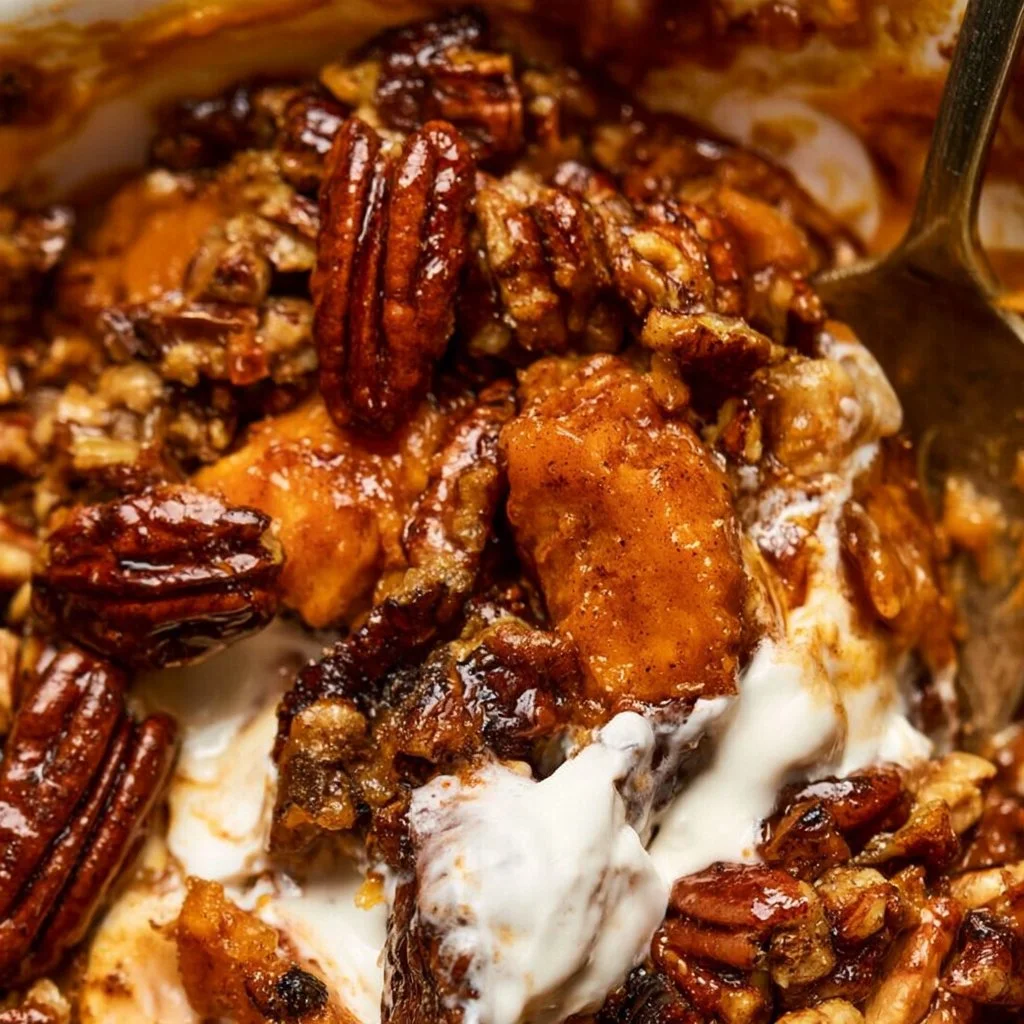
The Maple Potato Casserole is a delightful dish that intricately blends the natural sweetness of root vegetables with a robust array of flavors. At its core, this casserole features sweet potatoes that are mashed to creamy perfection, creating a rich and satisfying base. These vibrant orange tubers not only bring a sweet undertone to the dish but also a beautiful color that makes it visually appealing on any dinner table. The addition of maple syrup and brown sugar enhances the natural sweetness while infusing the dish with a warm, comforting aroma that beckons you to take a seat at the table.
Texturally, the casserole is a fantastic combination of creamy, chewy, and crisp elements. As it bakes, the sweet potato mixture becomes velvety, while the toppings—mini marshmallows and a pecan crumb mixture—provide a delightful contrast in texture. When it comes out of the oven, the marshmallows take on a beautiful golden-brown hue, becoming gooey and toasted, offering an irresistible topping that melds beautifully with the sweet potato base. This dish is not just about taste; it’s about unique textures and vibrant colors coming together harmoniously.
This casserole is particularly well-suited for festive gatherings and celebrations, such as Thanksgiving dinners and holiday meals, where it can serve as both a side dish and a crowd-pleaser. Its sweet and savory blend complements various mains, making it an ideal addition to your holiday spread. However, it’s also versatile enough to be served during casual family dinners or even as a cozy weeknight meal, bringing warmth and comfort to your dining experience.
What truly elevates the Maple Potato Casserole is its capability to evoke nostalgia. The presentation has a way of reminding us of family gatherings and cheerful celebrations, where food is at the heart of connection and joy. This dish embodies the essence of comfort food, making it a perfect choice for any occasion that calls for warmth and togetherness.
What Makes This Recipe Special
The Maple Potato Casserole stands out due to its unique combination of ingredients and preparation method that celebrates the natural flavors of sweet potatoes while introducing a delightful sweetness through maple syrup and brown sugar. This casserole is not merely a side dish; it’s a flavorful and whimsical take on traditional comfort food. Unlike typical potato casseroles that might rely on rich, savory components like cheese or cream, this recipe invites sweet elements that create a harmonious balance of sweet and savory for the palate.
One of the most appealing aspects of this casserole is the way it brings together different textures. The creamy base of mashed sweet potatoes serves as a canvas for the other components, while the toasted mini marshmallows and crunchy pecans introduce varying bites that add interest to each forkful. It presents a cohesive experience that is both satisfying and indulgent, appealing to those who appreciate complexity in their dishes. The layering of flavors—from the earthy sweetness of the sweet potatoes to the caramel-like finish of the maple syrup—creates an engaging taste journey.
Additionally, the versatility of the Maple Potato Casserole allows it to be enjoyed in various contexts. It can easily adapt for gatherings or serve as side fare for any meal. Compared to other savory casseroles, this dish provides a sweet profile that might be unexpected, encouraging adventurous eaters to explore uncharted culinary territory. The balance of flavor and texture, combined with its presentation that invites sharing, sets it apart as a beloved recipe that is sure to become a family favorite.
Ingredient Overview and Helpful Notes
A successful Maple Potato Casserole hinges on quality ingredients, each contributing distinctly to the dish’s allure and texture. The star ingredient, sweet potatoes, are not just sweet; they are also nutrient-rich and provide a creamy base when mashed. When selecting sweet potatoes, look for those that are firm, smooth, and free from blemishes. The vibrant orange color indicates a high beta-carotene content, adding both nutritional benefits and a beautiful hue to the casserole.
Maple syrup is another key ingredient that plays a critical role in defining the dish’s flavor. Opt for high-quality, pure maple syrup rather than imitation syrup. Pure maple syrup provides a depth of flavor, with subtle notes of caramel and vanilla that enhance the natural taste of sweet potatoes without overwhelming them. When it comes to the brown sugar, choosing light brown sugar instead of dark will contribute sweetness without dominating the flavor profile, ensuring a balanced taste.
Raisins add a chewy texture, alongside their natural sweetness that complements the dish’s overall profile. If raisins are not to your liking or available, dried cranberries or apricots make for excellent substitutes, each presenting its unique taste. Similarly, the spices cinnamon and nutmeg are essential for adding warmth and depth, enhancing the casserole’s flavor profile significantly. Fresh or ground spices can be used; however, whole spices offer a more robust taste if freshly ground just before use.
Preparation methods also matter significantly. For instance, the sweet potatoes should be roasted until tender before mashing. This method allows natural sugars to caramelize slightly, enhancing flavor complexity. Take care to accurately measure the ingredients, as the right ratios will help achieve the desired texture and sweetness level in the final dish. Ensuring that the pecans are chopped uniformly will help create an even topping, while toasting them lightly in advance can amplify their flavor.
Nutrition & Recipe Details
When it comes to preparing food, understanding nutritional values can help you make better choices. Keep in mind that nutritional values may vary depending on ingredients, brands, portion sizes, and preparation methods. Here’s a brief overview of the estimated nutritional information for the Maple Potato Casserole.
| Item | Value |
|---|---|
| Prep time | 20 minutes |
| Cook time | 35 minutes |
| Store time | up to 5 days |
| Calories | 250 calories (per serving) |
| Protein | 3 grams |
| Carbohydrates | 40 grams |
| Fat | 7 grams |
These nutritional values provide a snapshot of what to expect from a serving of this delightful casserole. It’s perfect for those seeking a sweet yet wholesome addition to their meal. However, remember to adjust the nutritional breakdown based on personal ingredient choices or dietary needs. This dish can certainly be enjoyed as part of a balanced meal alongside protein-rich sides or vegetables.
How to Make Maple Potato Casserole
Creating a Maple Potato Casserole is a straightforward yet rewarding process that beautifully melds warm flavors into a satisfying dish. Gathering your ingredients in advance and organizing them will streamline the cooking experience, allowing you to focus on the layering of flavors rather than searching for items midway through. Prepare your workspace by ensuring you have a large mixing bowl for combining the sweet potatoes and a separate bowl for preparing the pecan topping. Also, have a casserole dish ready for baking.
Ingredients
| Ingredient | Quantity |
|---|---|
| Roasted sweet potatoes, mashed | 3 cups |
| Maple syrup | 1/2 cup |
| Brown sugar | 1/4 cup |
| Raisins | 1/2 cup |
| Cinnamon | 1 teaspoon |
| Nutmeg | 1/2 teaspoon |
| Mini marshmallows | 2 cups |
| Chopped pecans | 1 cup |
| Maple syrup (for topping) | 1/4 cup |
| Melted vegan butter | 1/4 cup |
Before you begin mixing, ensure that the sweet potatoes have been roasted until tender and allow them to cool slightly before mashing. Aim for a smooth consistency, as it will create a creamy base that allows the flavors to meld seamlessly. Measure out your maple syrup and brown sugar, making sure to incorporate them after the sweet potatoes are mashed to achieve maximum sweetness. Freshly ground spices will also offer increased flavor, elevating your casserole to new heights.
Step-by-Step Instructions
- Preheat the oven: Start by preheating your oven to 350°F (175°C). This is crucial as it ensures that the casserole bakes evenly throughout, allowing the ingredients to come together harmoniously.
- Prepare the potato mixture: In a large bowl, combine the mashed sweet potatoes, maple syrup, brown sugar, raisins, cinnamon, and nutmeg. Mixing these ingredients well will create a uniform flavor throughout the base. Ensure that the spices are evenly distributed, as this will enhance the overall flavor profile of your casserole.
- Spread in the casserole dish: Using a spatula, spread the sweet potato mixture evenly into a greased casserole dish. A greased dish ensures that the casserole does not stick, making for easy serving. Level the top with the spatula for a more appealing presentation.
- Add the marshmallow topping: Sprinkle the mini marshmallows evenly over the top of the casserole. This layer not only enhances sweetness but will also provide a beautiful toasted topping once baked.
- Prepare the pecan topping: In a separate bowl, mix the chopped pecans with melted vegan butter and additional maple syrup. This mixture will create a deliciously crunchy topping that balances the softness of the sweet potatoes and the gooey marshmallows. Once combined, sprinkle this mixture over the top of the casserole as an additional layer.
- Bake: Place the casserole in the preheated oven and bake for 30-35 minutes, or until it is heated through and the marshmallows are lightly browned. Keep a close eye towards the end of the baking time to prevent the marshmallows from burning; a light golden brown is ideal.
- Serve: Once cooked, remove the casserole from the oven and let it sit for a few minutes before serving. This brief cooling time allows for firmer structure, making it easier to scoop and serve at your gatherings. The dish can be served warm as a festive side or enjoyed at any time of the year.
Understanding the Flavor and Texture
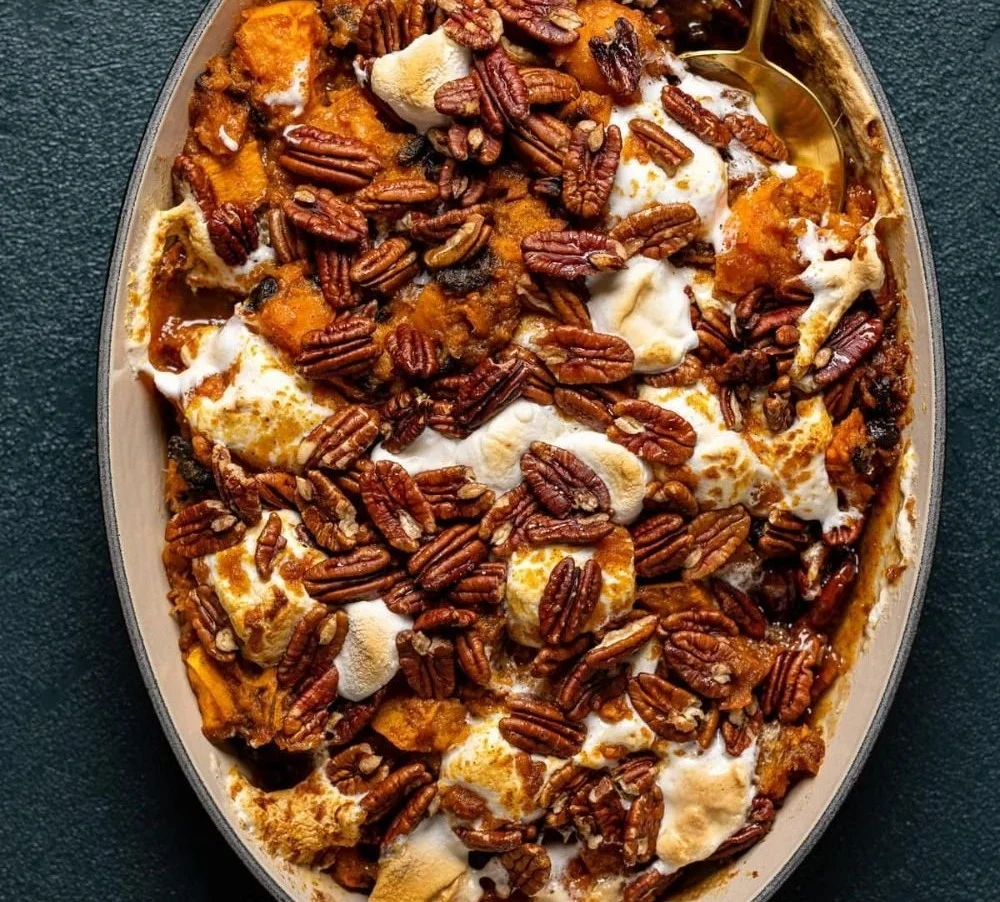
The Maple Potato Casserole is a dish where flavor and texture harmoniously converge, creating an indulgent culinary experience. When plated, the casserole showcases a vibrant hue from the sweet potatoes, contrasted beautifully by the golden toasty marshmallows on top. Visually, it entices and invites you to dig in, while the aroma of cinnamon and maple wafts through the air, signaling comfort and warmth.
Upon first bite, you’re met with the mild sweetness of the mashed sweet potatoes, enriched by the creamy consistency that fills the mouth. The addition of raisins offers unexpected bursts of sweetness and chewiness throughout each forkful, creating a delicious contrast with the creamy base. As you dig deeper into the layering, the mini marshmallows—once gooey and now lightly toasted—bring a unique layer of flavor that complements the richness of the sweet potato. Gathered on top, the pecan crumble adds delightful crunch, enhancing textural variance and making every bite intriguing.
The cooking method plays a vital role in achieving the desired outcome: roasting the sweet potatoes caramelizes their natural sugars, resulting in a depth of flavor that cannot be achieved through boiling or steaming alone. The layers of marshmallows and pecans caramelize and crisp up during baking, creating a beautiful, golden-brown topping that is visually appealing and texturally satisfying. For those who appreciate intricate layers of flavor, each spoonful tells a story of familiar warmth and delightful surprises.
Pro Tips
Small details can dramatically enhance the final result of your Maple Potato Casserole, setting it apart as a standout dish. Here are some tips to consider:
| Tip | Description |
|---|---|
| Roast Sweet Potatoes | Roasting sweet potatoes instead of boiling them concentrates their flavors and natural sugars. This enhances their sweetness and provides the ideal creamy texture for the base. |
| Use Fresh Spices | Utilizing freshly grated nutmeg and ground cinnamon will amplify the flavor depth of your casserole. Fresh spices have a more vibrant profile than pre-ground options, elevating the dish significantly. |
| Layer Flavors | Don’t be afraid to experiment with the layering of flavors! Consider adding a sprinkle of sea salt or a dash of vanilla extract to the sweet potato mixture for a palate-pleasing contrast. |
| Texture Control | To avoid overly mushy textures, ensure that the sweet potatoes are well-drained after roasting. This will prevent excess moisture from affecting the creaminess of the casserole. |
In addition to these primary tips, consider making your own variation of nuts, seeds, or crunchy toppings. This can provide a delightful surprise to those enjoying the dish. Experimenting with texture can lead to unexpected yet delightful results, encouraging creativity in the kitchen. Always taste throughout the preparation process, allowing your palate to guide adjustments to sweetness or spice levels.
Why You’ll Love This Recipe
The Maple Potato Casserole captures the essence of comfort with its delightful sweetness and rich texture, making it a dish everyone can love. It’s an uncomplicated recipe that brings together accessible ingredients, allowing both beginners and experienced cooks to recreate it with ease. This casserole embodies a sense of celebration, showcasing familiarity and warmth while piquing the curiosity of those who may be trying it for the first time.
This dish stands out in a crowd, appealing to anyone looking for comfort food that isn’t overly complicated. The simplicity of preparation alongside the rewards of a rich, warm flavor profile makes it an ideal go-to for family dinners or holiday gatherings. The flexibility in serving options, whether as a side or a standalone dish, increases its utility and joy during meal preparation. Home cooks will find satisfaction in creating a centerpiece dish without the stress of intricate methods or hard-to-find ingredients.
Beyond the flavors and ease of preparation, this casserole is also an embodiment of shared experiences around the dining table. It serves not just to fill stomachs but to foster connection and create memories, especially during festive times with loved ones. The warm, inviting nature of this dish encapsulates the joy of cooking and sharing food, making it a recipe worth cherishing.
How to Serve Maple Potato Casserole
Serving your Maple Potato Casserole can be a fun and creative experience that goes beyond simply plating the dish. Begin by presenting it in an appealing casserole dish that retains heat, as this is essential for maintaining temperature during meal service. For an added touch, consider garnishing individual servings with a sprinkle of finely chopped pecans or a drizzle of maple syrup, enhancing the visual appeal and flavor experience for your guests.
Pair the casserole with complementary side dishes that enhance its sweet and savory characteristics. For instance, roasted Brussels sprouts or steamed green beans can introduce a contrasting texture and flavor to the table, lending balance to the meal. Salads, particularly those featuring vinegar-based dressings or citrus elements, offer a refreshing counterpart to the rich sweetness of the casserole. It’s also an excellent opportunity to serve protein-rich dishes, like herb-roasted chicken or grilled tofu, which will create a well-rounded plate for every diner.
When enjoying the Maple Potato Casserole with guests, consider portioning it out in individual ramekins for a more personal touch. This serves to highlight the inviting appearance of each serving while allowing guests to enjoy a manageable portion of the dish. Such personalized servings are particularly suitable for festive occasions, where every detail matters in creating a warm atmosphere for sharing.
Beverage pairings can also enhance the enjoyment of the casserole. A light, slightly sweet drink, like iced tea or a light cocktail, can wonderfully complement the layers of flavor in the casserole. If you prefer non-alcoholic options, refreshing juices or lightly flavored spritzes can ensure your meal feels festive and enjoyable.
How to Store Maple Potato Casserole
If you’re lucky enough to have leftovers after a meal of Maple Potato Casserole, proper storage is key to maintaining the dish’s integrity and taste. Allow the casserole to cool completely before transferring it to an airtight container or covering it tightly with plastic wrap. By cooling it first, you’ll prevent condensation from forming inside the container, which can make the casserole soggy.
When finished properly, the Maple Potato Casserole can be stored in the refrigerator for up to five days. When reheating leftovers, it’s crucial to ensure that they are heated through properly to maintain both safety and quality. If you need to store the casserole for longer, consider freezing it. Before freezing, divide the casserole into individual portions for convenience. Wrap well to prevent freezer burn, using either freezer bags or tightly sealed containers. Frozen, it can last up to three months.
When reheating, allow the frozen portions to thaw in the fridge overnight before placing them in the oven or microwave. Reheating in the oven at 350°F (175°C) usually yields the best texture, taking 20-25 minutes to heat through completely. If using the microwave, cover the portion loosely with a microwave-safe lid or paper towel, and heat in 30-second intervals until warmed through. It’s wise to stir occasionally to ensure even heating.
Tips to Make Maple Potato Casserole
Creating the perfect Maple Potato Casserole might seem simple, but subtle tweaks can significantly impact the final result. One essential tip is to ensure uniformity when mashing the sweet potatoes; this will enable them to mix well with other ingredients and offer a smooth base. If you prefer a looser consistency, consider adding a splash of almond milk or another plant-based milk, which will provide creaminess and enhance flavor without dominating it.
When adding spices, don’t be hesitant to taste the sweet potato mixture before layering it into the casserole dish. Some palettes might like a little extra sweetness; if so, adding a tablespoon of additional maple syrup can dial up the sweetness to perfection. Additionally, using a sprinkle of sea salt can actually enhance and brighten the flavors of the dish, creating a richer experience on the palate—often overlooked in sweet recipes.
Another practical tip is to err on the side of caution when it comes to baking times. Checking the casserole a few minutes before the timer goes off will prevent overbaking and burning, particularly with the marshmallow topping. The goal is a golden-brown color on top, so keep an eye on it during the last few minutes to avoid disappointment.
Lastly, if you’re looking for a more pronounced nutty flavor, consider toasting the pecans before mixing them into the casserole. This extra step enhances their flavor profile, providing a subtle warmth that complements the sweet potatoes beautifully.
Variations and Substitutions
The Maple Potato Casserole recipe is flexible and allows for various creative variations that can cater to differing tastes or dietary preferences. For example, if you’re looking to create a nut-free version, simply eliminate the pecans and consider using a topping of crushed graham crackers to maintain a crunchy texture without sacrificing flavor. This can add an unexpected twist while keeping the dish accommodating for different diets.
For those who might prefer a spicier take, adding a pinch of cayenne pepper or a dash of paprika to the sweet potato mix could offer a surprising contrast to the sweetness. This seasoning choice can balance the flavors well, providing an exciting layer of complexity. Similarly, integrating finely shredded coconut into the topping instead of marshmallows could impart an intriguing tropical flair that complements the natural sweetness of the sweet potatoes and maple syrup.
Another popular variation is to incorporate additional vegetables into the mix. Adding carrots or even mashed butternut squash can provide a subtle change of flavor while still maintaining a comforting sweetness. Such modifications can enhance not only the flavor profile but also increase the nutritional value of the dish as well; more vegetables mean more vitamins and minerals.
If you’re looking to swap out traditional sweeteners, using agave syrup or honey in place of maple syrup can work well, though it will shift the flavor slightly. Keep in mind that honey isn’t vegan, so for a fully vegan adaptation, stick with maple syrup or agave. Always consider how substitutions will change both texture and flavor, and don’t hesitate to experiment until the dish aligns with your culinary vision.
Storage and Reheating
Properly storing and reheating leftovers of the Maple Potato Casserole is essential for keeping it delicious and enjoyable. After letting the casserole cool completely, transfer it to an airtight container before refrigerating. If you want to store it for a longer duration, partition the casserole into individual servings and freeze them in well-wrapped portions to maintain freshness. Allowing portions to thaw overnight in the refrigerator can help preserve texture and flavor during the reheating process.
When finally ready to enjoy those leftovers, several methods can efficiently reheat the casserole. If opting for the oven, preheat it to 350°F (175°C), and cover the dish with aluminum foil to retain moisture. It should take about 20-25 minutes to heat thoroughly, ensuring the marshmallows do not burn. To test if it’s heated through, insert a knife or fork in the center; if it comes out warm, it’s ready.
Alternatively, the microwave offers a quicker option but requires additional care to maintain texture. Place the individual portions in a microwave-safe dish, loosely covered with a paper towel to prevent drying out. Heat in 30-second intervals until steaming hot, carefully checking doneness between intervals to prevent overheating.
Remember that when reheating, some components may slightly change in texture. The marshmallows may not restore to their original gooey state and may firm up a bit, yet they will still be delicious. If you wish to reinvigorate that gooeyness, consider adding a touch of maple syrup on top during the heating process.
Customization Ideas
Making the Maple Potato Casserole uniquely yours is an essential part of the cooking process. Depending on your preferences or available ingredients, various additions can enhance both flavor and presentation. For instance, as mentioned before, consider adding nuts for crunch, but take it a step further by making a spiced nut topping with cinnamon or maple-seasoned pecans or walnuts to further accentuate those beautiful autumn flavors synonymous with sweet potatoes and this dish.
To give the dish an aromatic twist, infuse the sweet potato mixture with citrus zest, like orange or lemon. The brightness will complement the sweetness of the dish, adding complexity to the flavor profile while balancing the overall taste. Experimenting with different types of dried fruits, such as chopped apricots or cranberries, can also invigorate the casserole, contributing unique flavors and chewy textures.
You may also choose to drizzle additional flavor-enhancing elements over your casserole before serving. A thick ribbon of vegan caramel or a sprinkle of your favorite nut butter can elevate the dish, allowing guests to experience a delightful flavor explosion. Alternatively, incorporating fresh herbs like thyme or rosemary can introduce a refreshing contrast, surrounding the sweetness with earthy floral notes that enhance the overall experience.
Moreover, the presentation can be customized to suit the occasion. Consider using themed or festive serving dishes for holidays or custom ramekins for individual servings at dinner parties. Utilizing seasonal decorations, such as a sprig of fresh rosemary or a dusting of cinnamon on top, can create a beautiful visual impression while enhancing the sentimental aspect of the meal.
Common Mistakes to Avoid
Cooking can be a rewarding yet challenging process, especially when preparing a dish as delightful as Maple Potato Casserole. To help you succeed, here are some common mistakes and tips to avoid them:
-
Overcooking the Sweet Potatoes: Many cooks may overlook the cooking time for sweet potatoes, leading to mushiness. Overcooked potatoes can result in waterlogged or unappetizing casserole texture. Cook them until fork-tender, ensuring they maintain structure during mashing.
-
Ignoring Flavor Balance: A lack of seasoning or unbalanced sweetness can affect the overall flavor profile. Always taste the sweet potato mixture before layering it into the casserole, adjusting sweetness and spices according to personal preferences.
-
Skipping the Cooling Step: Not letting the casserole cool properly before covering can lead to a build-up of moisture, resulting in a soggy texture when reheating. Allow time for the casserole to cool to room temperature before transferring it into storage containers.
-
Bad Layering Techniques: An uneven spread of the sweet potato mixture can create uneven cooking, resulting in some areas being overcooked while others remain cold. Take care to level the sweet potato mixture evenly in the casserole dish for uniform baking.
-
Not Keeping an Eye on Marshmallows: Baking with marshmallows can be tricky, as they can burn quickly. Stay vigilant during baking and check on the casserole frequently in the final minutes to avoid an undesirable burnt topping.
By understanding these common pitfalls, you can better navigate the preparation of your Maple Potato Casserole, ensuring it turns out delicious every time.
Serving Occasions
The Maple Potato Casserole is a versatile dish that fits well within a variety of occasions, making it a popular choice among home cooks and food enthusiasts alike. One of its most classic settings is at the Thanksgiving table, where it serves as a beautiful and comforting side dish, representing the warmth of family gatherings and traditional feasts. With its inviting presentation and familiar flavors, it complements classic turkey, stuffing, and cranberry dishes exceptionally well.
It’s also an excellent option for holiday parties or winter gatherings, where guests are looking for something warm and comforting. The appeal of this casserole extends beyond the traditional holiday season, making it suitable for potluck dinners and family reunions year-round. Its approachable nature allows both novice cooks and seasoned chefs to share in its preparation, resulting in joyful and collaborative cooking experiences.
Additionally, Maple Potato Casserole works wonderfully for meal prep. Individuals seeking a satisfying weeknight dinner can easily prepare this dish ahead of time. With its ability to store and reheat well, it provides a quick dinner option that can be served at any time of the week. This versatility ensures that it becomes a staple in a variety of meal planning strategies, offering nourishment and comfort for busy evenings.
For casual lunches or festive brunches, this dish shines just as brightly. Whether paired with a fresh salad, roasted greens, or served alongside a hearty soup, it can elevate simple meals to a memorable experience, making it an excellent choice for relaxed dining occasions.
Why Make This Recipe?
Choosing to prepare Maple Potato Casserole over other similar dishes is an opportunity to present a unique combination of flavors and textures that satisfy both body and soul. Its distinctive blend of sweetness from sweet potatoes and maple syrup works harmoniously with spices such as cinnamon and nutmeg, creating a classic flavor profile deeply rooted in tradition. This dish offers an element of nostalgia, reminding many of childhood gatherings filled with festive meals and cheerful conversations.
Another reason to embrace this casserole is its simple preparation process, which doesn’t require special culinary skills or techniques. The straightforward combination of ingredients allows for ease of execution, making it accessible for home cooks of all experience levels. By following the clearer step-by-step instructions, anyone can deliver a beautifully presented dish without the stress often associated with more complicated recipes.
Furthermore, hosting gatherings or family meals can benefit immensely from the dynamic nature of Maple Potato Casserole. It can be served alongside a variety of proteins or enjoyed as a standalone side, offering versatility in meal presentation. This flexibility not only invites creativity in the kitchen but also makes meal planning easier, allowing it to accommodate diverse tastes and dietary preferences easily.
Make-Ahead Preparation
Planning ahead can make the preparation of Maple Potato Casserole even more enjoyable. Many of the ingredients can be prepped in advance, allowing you to create a timeline for cooking that suits busy schedules. For instance, sweet potatoes can be roasted a day before, then stored in the refrigerator. Simply mash them before combining them with other ingredients on the serving day to simplify the process significantly.
In addition to prepping the potatoes, measuring out the spices, sugars, and other components can be completed in advance. Store these measurements in separate small containers to create an organized workflow for the cooking process. This not only saves time during cooking but also allows you to enjoy the meal without the stress of last-minute preparations.
As for assembly, the casserole can be prepared a day in advance and stored in the refrigerator before baking. Simply cover it with foil or a lid to keep it fresh. When you’re ready to serve, pop it into the preheated oven straight from the refrigerator; just be aware that it may require a few extra minutes of baking time to ensure it’s heated through completely.
Keep in mind that while certain steps can be done ahead of time, baking immediately before serving will always yield the best texture and freshness. Timing is crucial, as keeping the adhered toppings like marshmallows and pecans intact will benefit from being baked just before mealtime, allowing them to become perfectly toasted and inviting.
Equipment and Kitchen Preparation
Setting yourself up with the right equipment can greatly enhance your experience when making Maple Potato Casserole. Start with a high-quality roasting pan for the sweet potatoes; this will promote even cooking. A large mixing bowl is essential for combining the mashed potatoes and other ingredients, while a casserole dish should be oven-safe, ideally made of glass or ceramic. These materials retain heat well and allow you to see the beautiful golden-brown marshmallow topping as it bakes.
In terms of utensils, a sturdy potato masher or electric mixer will help you achieve the creamy consistency desired for the sweet potatoes. Have measuring cups and spoons on hand for accurate ingredient portions. A spatula can assist in spreading the sweet potato mixture into the dish evenly while also helping to mix in the other ingredients seamlessly.
Prior to diving into cooking, clear your workspace and organize all your ingredients. This not only keeps you efficient but also minimizes the clutter that can lead to confusion or omitted steps. Setting up a systematic preparation area allows for smooth operation, particularly when layering or preparing the casserole for baking. By keeping everything within reach, you can focus on what matters most—creating a delicious, comforting dish.
FAQs
1. Can I use regular potatoes instead of sweet potatoes?
Yes, you can use regular potatoes, but keep in mind that the flavor and texture will differ. Sweet potatoes provide natural sweetness and creaminess that regular potatoes may lack. If you choose to substitute with regular potatoes, consider adding a bit more maple syrup to match the sweetness that sweet potatoes inherently bring.
2. Is this casserole vegan-friendly?
Absolutely! The recipe can be made vegan by using maple syrup (instead of honey) and vegan butter. Ensure that any marshmallows you use are marked as vegan, as some brands contain gelatin. This recipe can easily accommodate vegan dietary needs without sacrificing flavor.
3. How can I make this dish gluten-free?
This Maple Potato Casserole is naturally gluten-free, as it doesn’t contain any gluten-based ingredients. However, if adding toppings or substitutions, ensure that any additional items, such as breadcrumbs or certain sweeteners, are gluten-free to keep the dish accessible to those with gluten sensitivities.
4. Can I prepare this casserole a day in advance?
Yes, you can absolutely prepare the casserole ahead of time. Assemble the casserole up to the point of baking, cover it tightly, and store it in the refrigerator for up to 24 hours. Bake according to the instructions when ready to serve, allowing a few extra minutes for baking if taken directly from the refrigerator.
5. What are some great toppings apart from pecans and marshmallows?
If you’re looking for alternatives to the traditional toppings, consider adding crushed graham crackers, toasted coconut, or even a yogurt drizzle when serving. These options can add a unique twist and enhance the flavor profile while keeping within the joyous spirit of the dish.
6. Can I freeze leftovers?
Yes, leftovers can be frozen for future enjoyment. Wrap individual portions tightly in freezer-safe containers and consume within three months for optimal flavor. You may need to adjust reheating times accordingly to ensure they are heated thoroughly without compromising texture.
7. Can I make this casserole spicier?
For those who enjoy a spicy kick, adding a pinch of cayenne pepper or red pepper flakes can elevate the flavors nicely. Just a pinch will add depth without compromising the dish too much; however, adjust according to your desired spice level.
8. How do I know when the casserole is finished baking?
You’ll know the casserole is done when the marshmallows are golden brown and the mixture is bubbly. A knife inserted in the center should come out warm. If the marshmallows begin to brown too quickly, you can cover the casserole with aluminum foil to finish baking without burning the topping.
Disclaimer
Nutritional information is approximate and may vary based on ingredient brands, substitutions, portion sizes, and preparation methods.